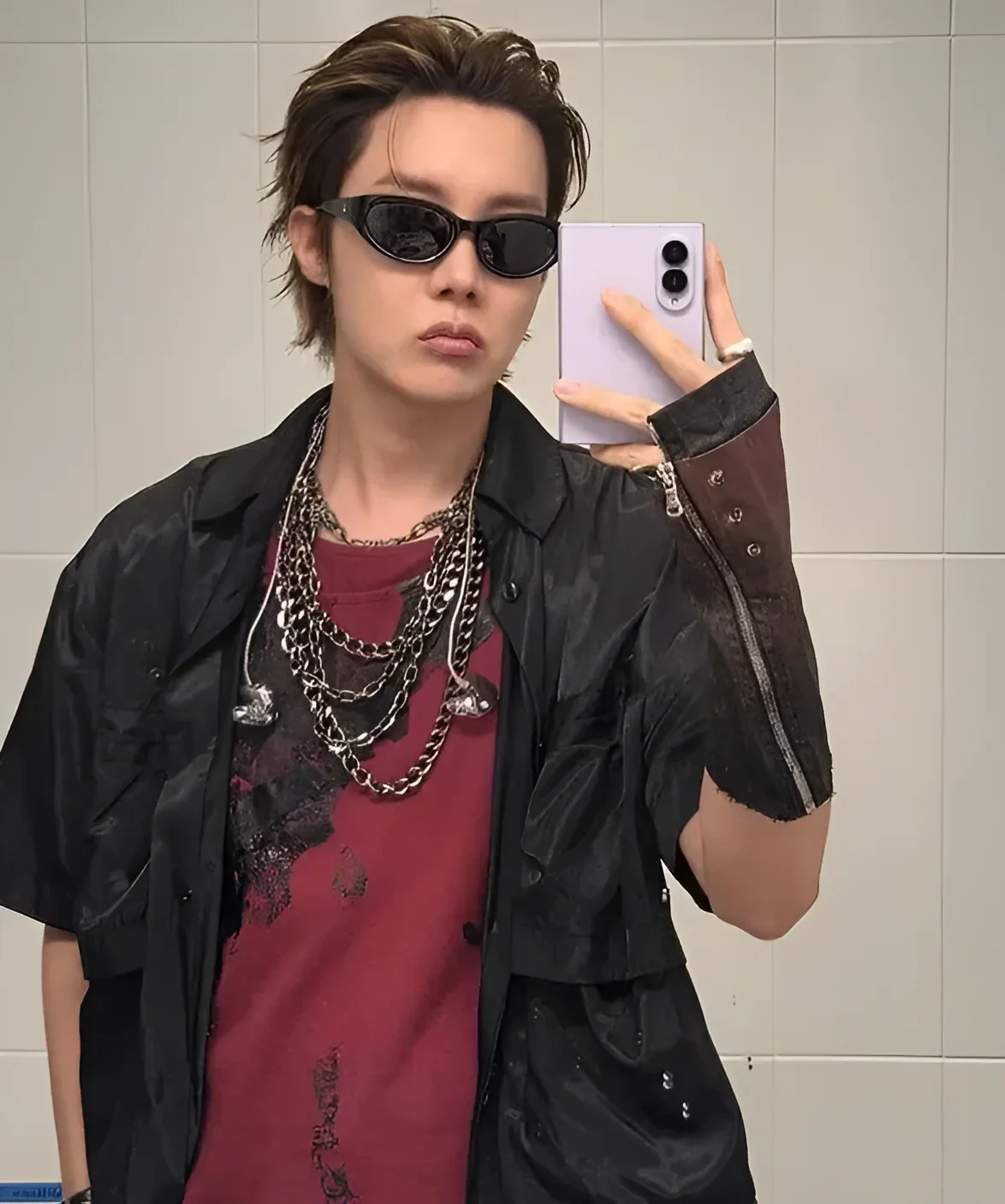
When an artist decides to etch not just a word but an entire story onto their skin, it’s almost always a deliberate gesture. This is precisely the case with J-Hope from BTS’s latest body art: the artist’s forearm now features the silhouettes of all seven group members, whose poses and gestures literally form the letters of the word “ARMY” – the name of their fan community. The work was published on September 10th on social media, accompanied by the caption “BTS WORLD TOUR ‘ARIRANG’, LOS ANGELES,” and the black-and-white shot of the tattoo instantly captured the audience’s attention.
 admin
admin
Heartbreaker Tattoo Studio Hosts Charity Festival for Wildfire Victims
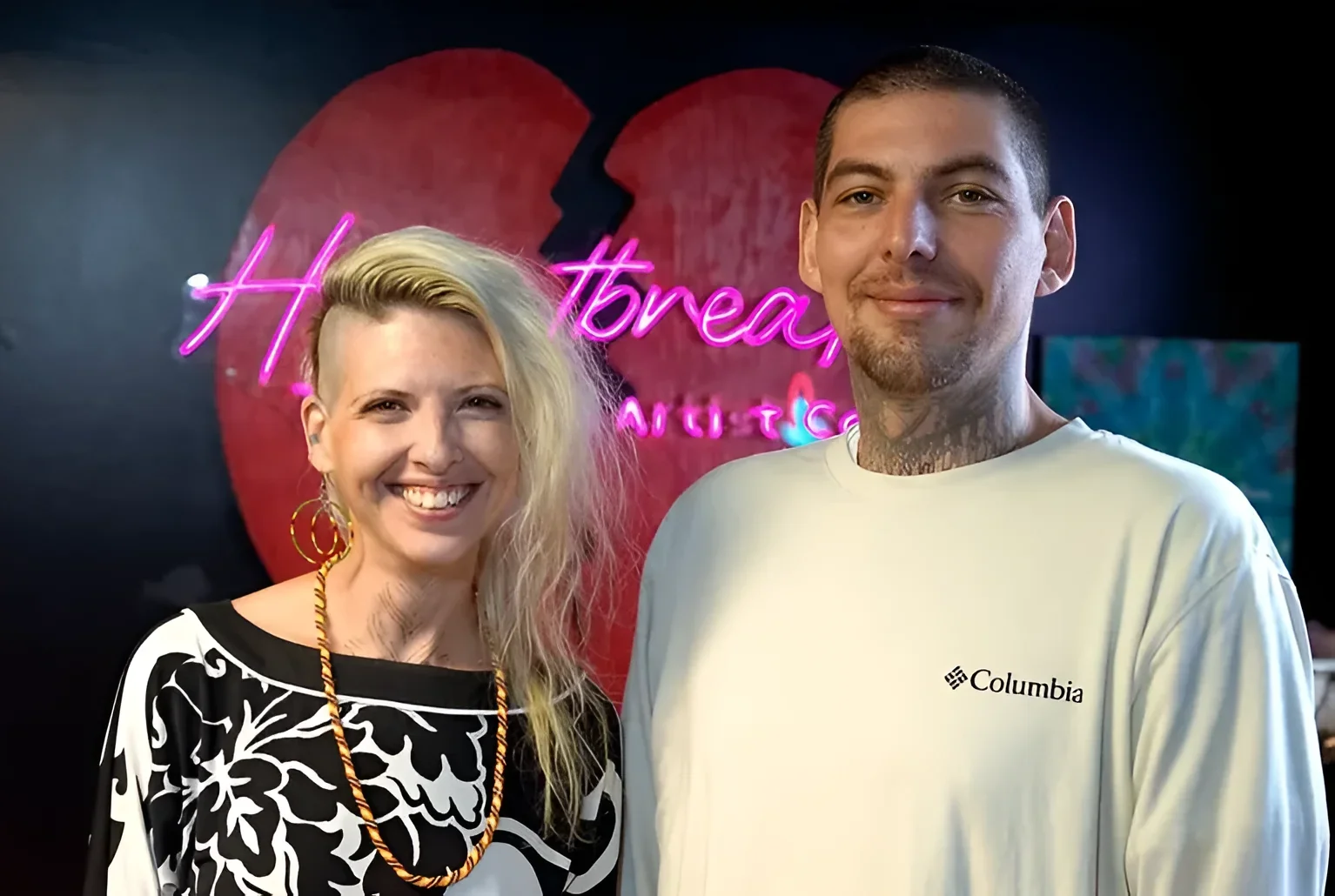
Heartbreaker Tattoo and Artist Co-op, operating under the trade name La Rompe Corazones LLC, is extending beyond its workshop to become a hub for community support. Co-owners Ilia Standish and Tyler Battloff have launched Spokane Strong, a two-day free event dedicated to helping those affected by wildfires. The festival is scheduled for September 19th and 20th, from noon to 8 PM, and will take place at North Central High School, located at 1600 N. Howard in Spokane.
Korean Politician Apologizes for Tattoo at Press Conference
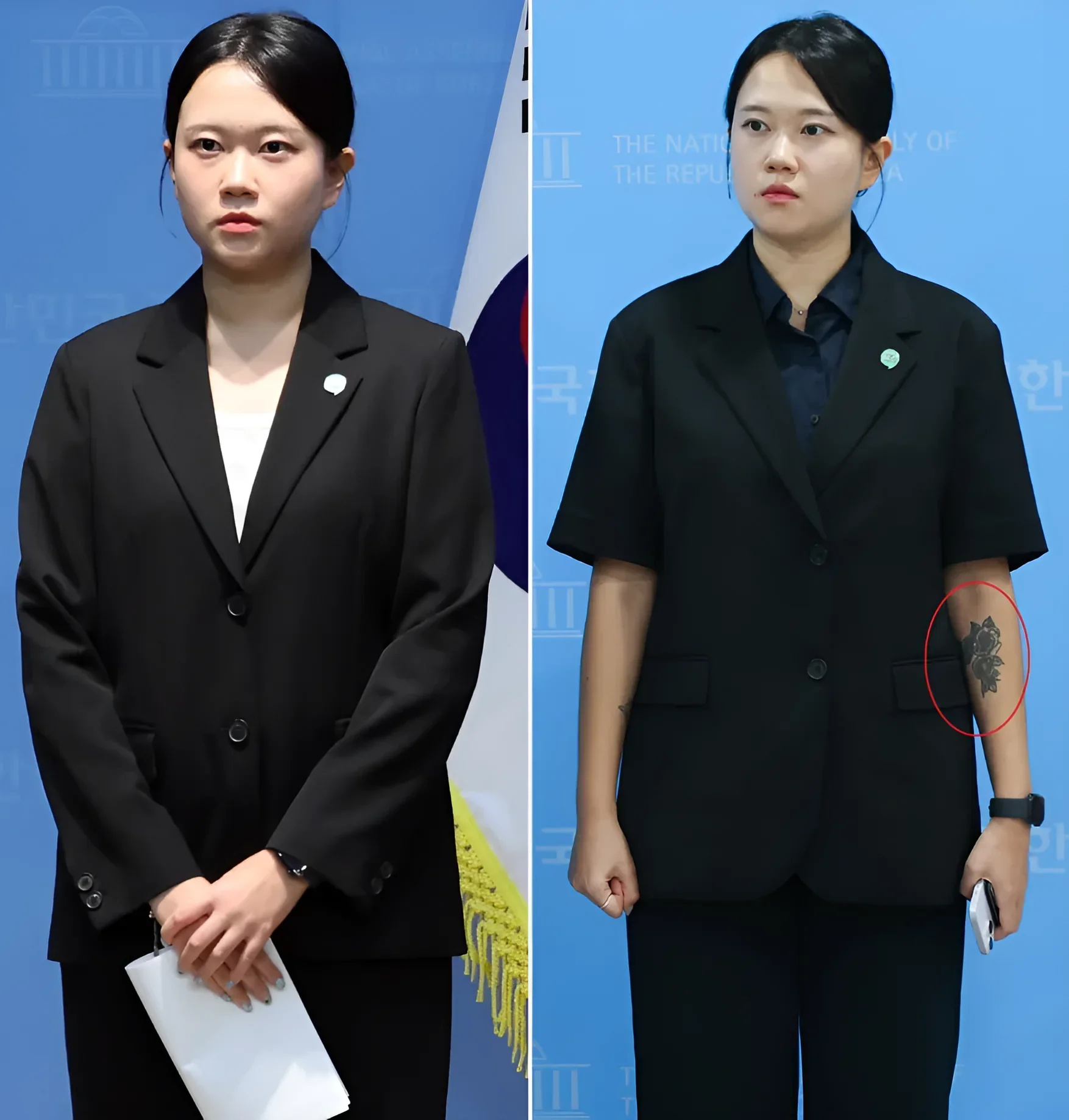
An unusual scandal has erupted in South Korean political circles, with a tattoo on an forearm, rather than ideology or budget, at its center. Kim Jin-seo, deputy spokesperson for the Basic Income Party, publicly apologized for her personal skin art drawing undue attention. The incident began at a briefing in the National Assembly, where party spokespersons were defending accusations against the candidate for Minister of Gender Equality and Family, Young Hae-in. Journalists’ cameras captured a rather large floral design on the inside of Kim’s arm, and the photo quickly spread across social media.
Fabolous talks about a tattoo after an Amsterdam weed cake
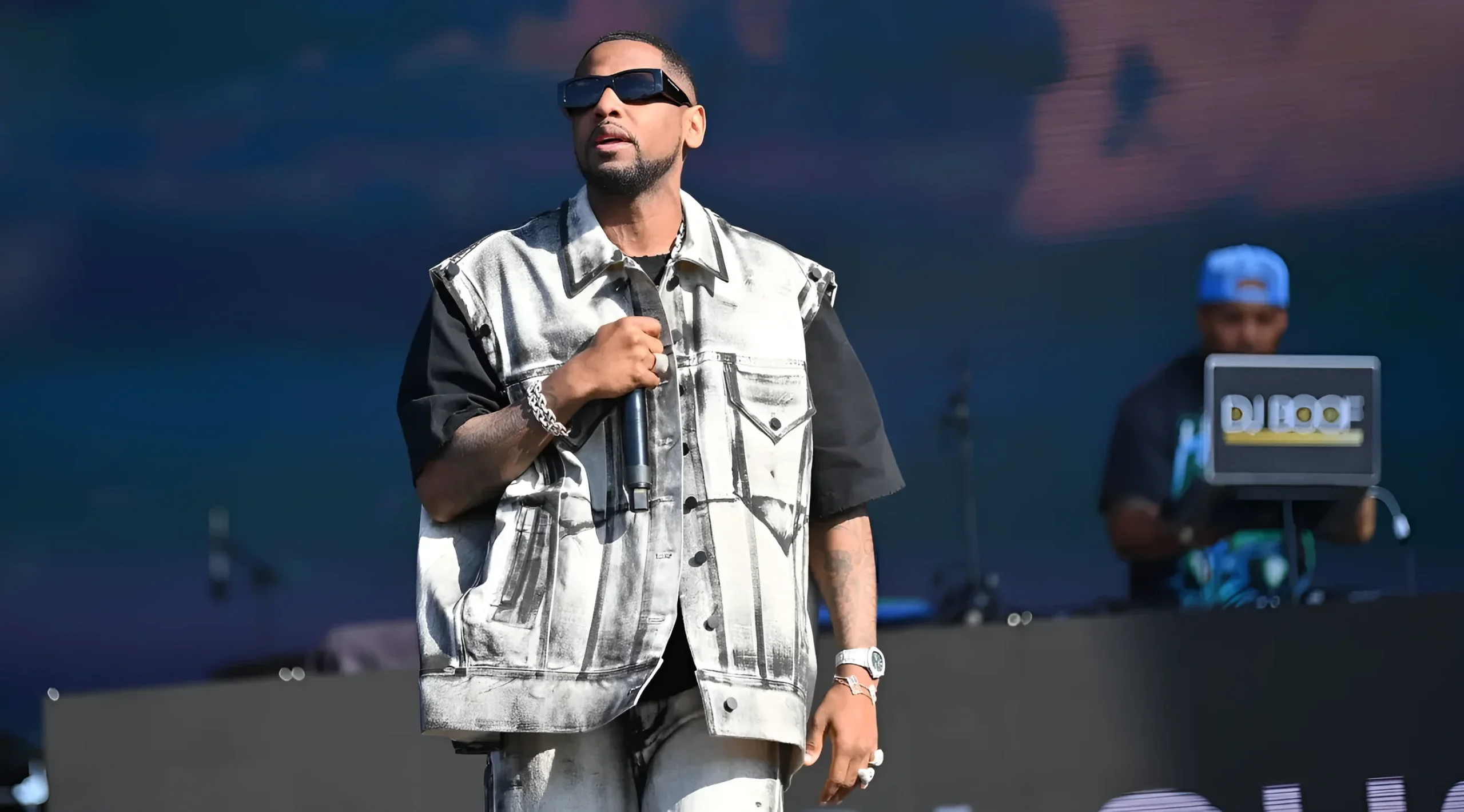
Brooklyn rapper Fabolous recalled one of the most absurd episodes of his tour, which happened against the backdrop of an Amsterdam weed cake and a tattoo session. According to him, ignoring a simple warning that only one corner of the edible was allowed turned a routine visit to the artist into a story he still tells. The story was shared on the Let’s Rap About It podcast, which Fab hosts with Jim Jones, Maino, and Dave East.
Canadian Rami Shulfield recognized as the most tattooed living person

Canadian Rami Shulfield has entered the 2027 Guinness World Records as the most tattooed living person on the planet. According to the publication, about 90% of his body is covered in ink, and in some areas, the skin has been “repainted” up to forty layers. For the tattoo industry, this event is akin to a breakthrough: for the first time, the record fixes not just the area, but the depth and multiplicity of the masters’ work on the same patch of skin.