
Paramedical tattooing is a unique field at the intersection of classic body art and reconstructive medicine. Unlike traditional decorative tattoos, which are meant to adorn the body or express individuality through symbols, paramedical tattooing has a different, more profound goal: to restore a person’s sense of wholeness and self-confidence. It involves working with trauma, and the physical and psychological consequences of surgeries, illnesses, and accidents. When medicine completes its work of saving lives and restoring bodily functions, the tattoo artist steps in to erase the visual reminders of the experienced ordeal.
 admin
admin
Tattoos as a Manifesto of Devotion: The Story of Glenn Timmerman and His 157 Chicago Bears Autographs

In the world of tattooing, there’s a fine line between simply collecting designs and creating a living historical archive on one’s own body. Glenn Timmerman, a 60-year-old devoted fan of the Chicago Bears football club, crossed that line decades ago. His body is not just skin, but a unique canvas, capturing the history of an entire sports franchise through the lens of 157 authentic autographs from players and coaches. For the professional tattooing community, Timmerman’s case presents a fascinating study: how to preserve the clarity of fine handwriting over decades and transform a chaotic collection of signatures into a harmonious composition covering the head, chest, arms, and back.
Canadian Birds in Tattoos: The Unique Project of Lori-Anne Little and the Art of Nature Conservation

Modern tattooing has long gone beyond mere body adornment, transforming into a powerful tool for social commentary and environmental activism. A prime example of such a symbiosis of art and philanthropy is the ambitious project by Canadian tattoo artist Lori-Anne Little from London, Ontario. Her initiative, titled Tattoo Bird-a-Thon, sets a truly monumental task: to capture on clients’ skin all species of wild birds inhabiting Canada, which amounts to over 450 unique biological species. This project is not just a creative challenge but also a deeply conscious mission to support ornithological research and protect the natural habitat of feathered creatures.
The “Ink of Hope” Act: How Tattoo Artists in the US Will Combat Human Trafficking
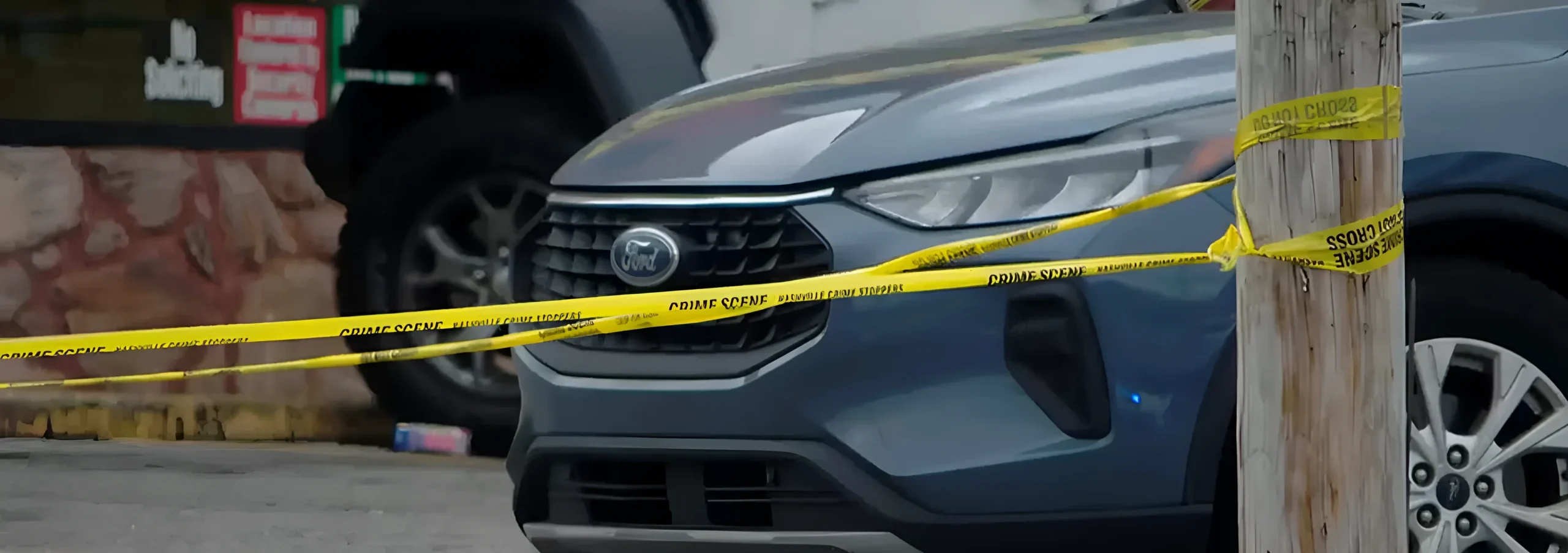
Tattooing in modern society has long transcended its status as mere adornment or a symbol of subcultural affiliation. Today, it is a powerful visual language capable of telling stories, healing emotional trauma, and, as a new legislative initiative in Tennessee demonstrates, saving lives. The professional tattooing community is increasingly taking on the role not just of artists, but of a kind of “guardian,” capable of noticing what is hidden from the ordinary observer’s eye. With the introduction of the law poetically named the “Ink of Hope Act,” tattoo artists officially become a crucial link in the system of combating human trafficking, transforming their studios into safe spaces for those in distress.
Therapy in Needles: How the Healing Ink Project Turns War Scars into Symbols of Life and Hope

For centuries, the art of tattooing has teetered between the stigma of an outcast and the sacred symbol of belonging, but today it is acquiring a completely different, therapeutic dimension. In a world where physical and emotional wounds often remain invisible or, conversely, painfully remind us of themselves in the mirror, tattooing becomes a tool for reclaiming one’s own body. The Healing Ink project, initiated by the non-profit organization Art Over Hate, clearly demonstrates how a master’s needle can become a soul surgeon’s scalpel, transforming the traces of tragedy into a manifesto of life. For survivors of terrorist attacks, soldiers, and families who have lost loved ones, ink becomes not just pigment under the skin, but a way to regain control over their story, which was violently interrupted by external circumstances.