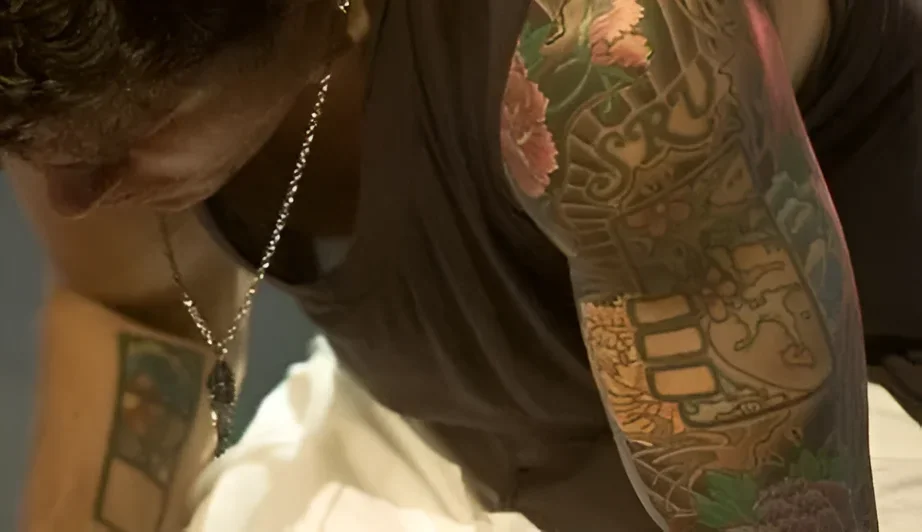
John Mayer is a name that most associate with masterful guitar playing, deep blues vocals, and a shower of Grammy awards. However, in the world of body art, Mayer is recognized as no less significant a figure than on the music scene. His body is not just a collection of random images, but a carefully crafted canvas reflecting his inner transformation, commitment to tradition, and search for identity. For tattoo experts and collectors, John is a benchmark for how a public figure can skillfully and aesthetically integrate complex art into their image, turning their skin into a visual biography.
Tattoo Articles
Lil Uzi Vert (Symere Woods) Tattoos: A Complete Guide to the Rapper’s Meanings, Symbolism, and Style
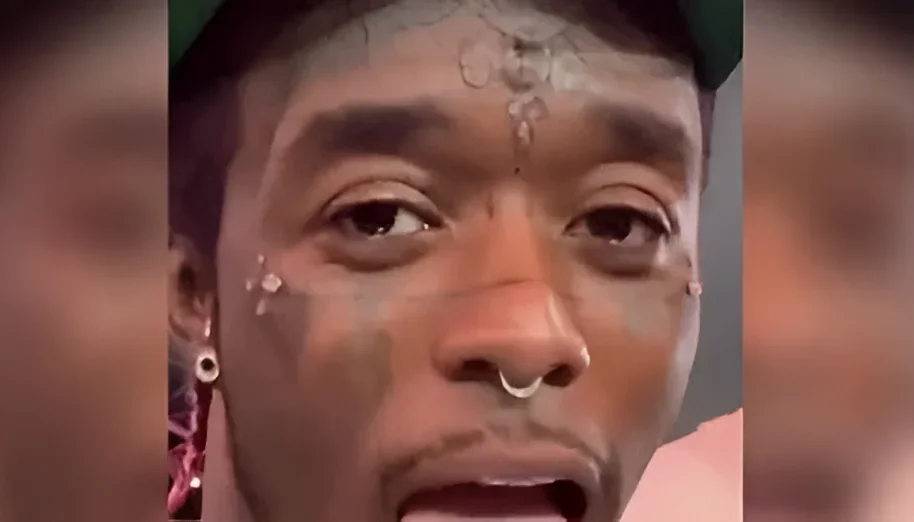
Lil Uzi Vert (Symere Woods) is not just one of the most vibrant representatives of the modern hip-hop scene, but also a true iconoclast in the world of body art. His tattoos are a complex, multi-layered visual language where occult symbols coexist with anime characters, and luxury brand logos with deeply personal, sometimes painful experiences. For Uzi, tattoos have long ceased to be mere decoration; they have become a kind of armor, a way of communicating with the world, and a total manifestation of his inner self, which is constantly transforming. Each new image on his body is a chapter in an endless novel about the search for identity, fame, and existential rebellion.
Ancient Chinese Motifs and Characters in Tattoos: A Complete Guide to Symbolism and Meaning

Ancient Chinese characters, or Hanzi, represent one of the deepest and most enigmatic writing systems in human history, which has found its unique embodiment in the modern art of body painting. By choosing an ancient Chinese motif for a tattoo, you are not just applying a beautiful pattern, but connecting with a millennia-old philosophy where every stroke and every curve has a strictly defined meaning that, according to tradition, can influence the destiny of its owner. In this article, we will detail why the ancient symbols of the Middle Kingdom remain at the peak of popularity, and how to avoid regrettable mistakes when choosing them.
Tattoos on Warriors’ Bodies: Ancient Legends, Meanings, and Modern Traditions

A tattoo on a warrior’s body has always been something much greater than just a decorative element or aesthetic adornment. It was a chronicle of feats, a magical shield against enemy blades, and a passport that defined the fighter’s status in the hierarchy of his tribe or army. In a world where life could end in an instant, every symbol on the skin held a sacred meaning, connecting the person with their ancestors, gods, and guardian spirits. Today, the interest in the “warrior’s mark” has not faded, because behind every such image lies powerful energy, a philosophy of courage, and an unyielding will to win. We invite you to delve deep into how ancient legends are embodied in modern tattoo art, and why choosing a warrior image requires a special approach and understanding of context.
Branding Slaves in Antiquity: Tattoo as Property and Stigma

The branding of slaves in Antiquity represents one of the darkest, yet most fundamental, pages in the history of body modification. For a modern person, a tattoo is an act of self-expression, an aesthetic choice, or a tribute to art. However, in the Ancient world, especially in Greece and Rome, permanent marks on the skin (known as stigma or stigmata) most often served as a legal instrument denoting status, crime, or, most critically, ownership. As professional tattoo encyclopedists, we are obliged to study this phenomenon not only from a historical but also a cultural perspective to understand how the concept of an owner’s mark influenced the perception of tattooing throughout millennia. This is not just a history of punishment; it is a deep analysis of how the skin was used as a legal document and how it defined a person’s social status without the right to voice.