
Pete Davidson, whose body has served as a living diary of his impulsive decisions and turbulent romances for many years, has definitively turned a page in his “inked” biography. At a recent performance in Las Vegas, the 32-year-old comedian showcased virtually clear skin on his arms, leaving behind dozens of designs that once covered his body in a dense layer. This transformation is the result of an arduous six-year process that required not only immense patience but also a significant financial investment – by the artist’s own admission, the total cost of the procedures reached $200,000.
The Buffalo Bills Cult: Why a Fan Got a Urinal Tattoo

Sports fanaticism in the United States is not just about attending weekend games; it’s a full-fledged subculture that sometimes takes on very bizarre and even shocking forms. Fans of the Buffalo Bills, known worldwide as the Bills Mafia, have long cemented their status as the most devoted fans in the National Football League. They stand for hours in biting frost, jump on folding tables from the roofs of vans, and stage crazy performances with ketchup and mustard before every game. However, on April 17, 2026, one member of this community raised the bar of fan devotion to an unattainable (and for many, questionable) height by getting a tattoo that has already been dubbed the most disgusting and simultaneously iconic in the club’s history.
Tattoos No Longer a Barrier to Donation: New FDA Rules Change the Industry
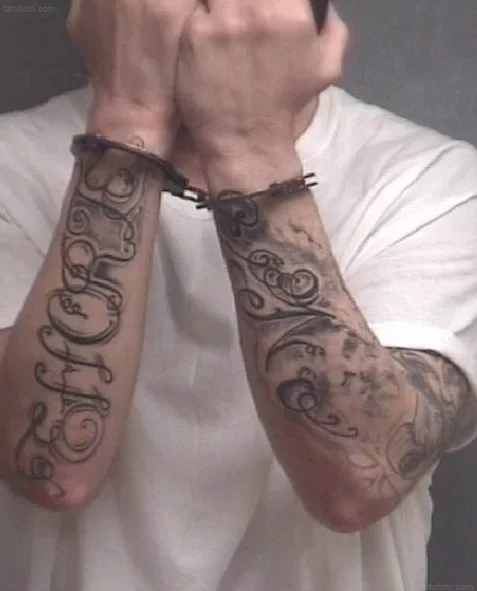
For a long time, a persistent stereotype existed in society and medicine: a fresh tattoo was an automatic “forbidden ticket” to the blood transfusion station for at least a year. However, the modern tattoo industry, which has made a giant leap in safety and sterility, has forced a reconsideration of these conservative norms. Recently, the Ozarks Blood Center (CBCO) announced a large-scale update of its protocols, based on new recommendations from the U.S. Food and Drug Administration (FDA). These changes not only simplify life for body art enthusiasts but also open doors for thousands of new donors amid a global blood shortage.
Jahmyr Gibbs’ New Tattoo: Why NFL Star’s Work Was Criticized by Fans

American football star and key player for the Detroit Lions, Jahmyr Gibbs, has once again found himself in the spotlight, this time not for his impressive achievements on the field, but due to a new, large-scale project on his own body. The running back, whose NFL career is rapidly developing, has unveiled a monumental full-back tattoo that instantly divided the fan community into two camps. While the league’s official accounts try to promote the work as a style icon, regular fans and tattoo industry experts are questioning whether the athlete has crossed the line between self-expression and excessive narcissism.
Jacob Fatu’s New Tattoo: Preparing for WrestleMania 42 and Style Analysis

In anticipation of the monumental WrestleMania 42 event, which promises to be the culmination of many long-standing storylines, one of the most prominent representatives of the Anoa’i Samoan dynasty – Jacob Fatu – has decided to update his “visual passport.” The wrestler has unveiled a large-scale tattoo to the public, executed in a traditional style that emphasizes his heritage and status in the industry. For an athlete of this caliber, getting new ink before the biggest event of the year is not just an aesthetic choice, but a ritual of sorts, a manifesto of strength before his upcoming battle with Drew McIntyre in an Unsanctioned Match on the first night of “Mania.”.