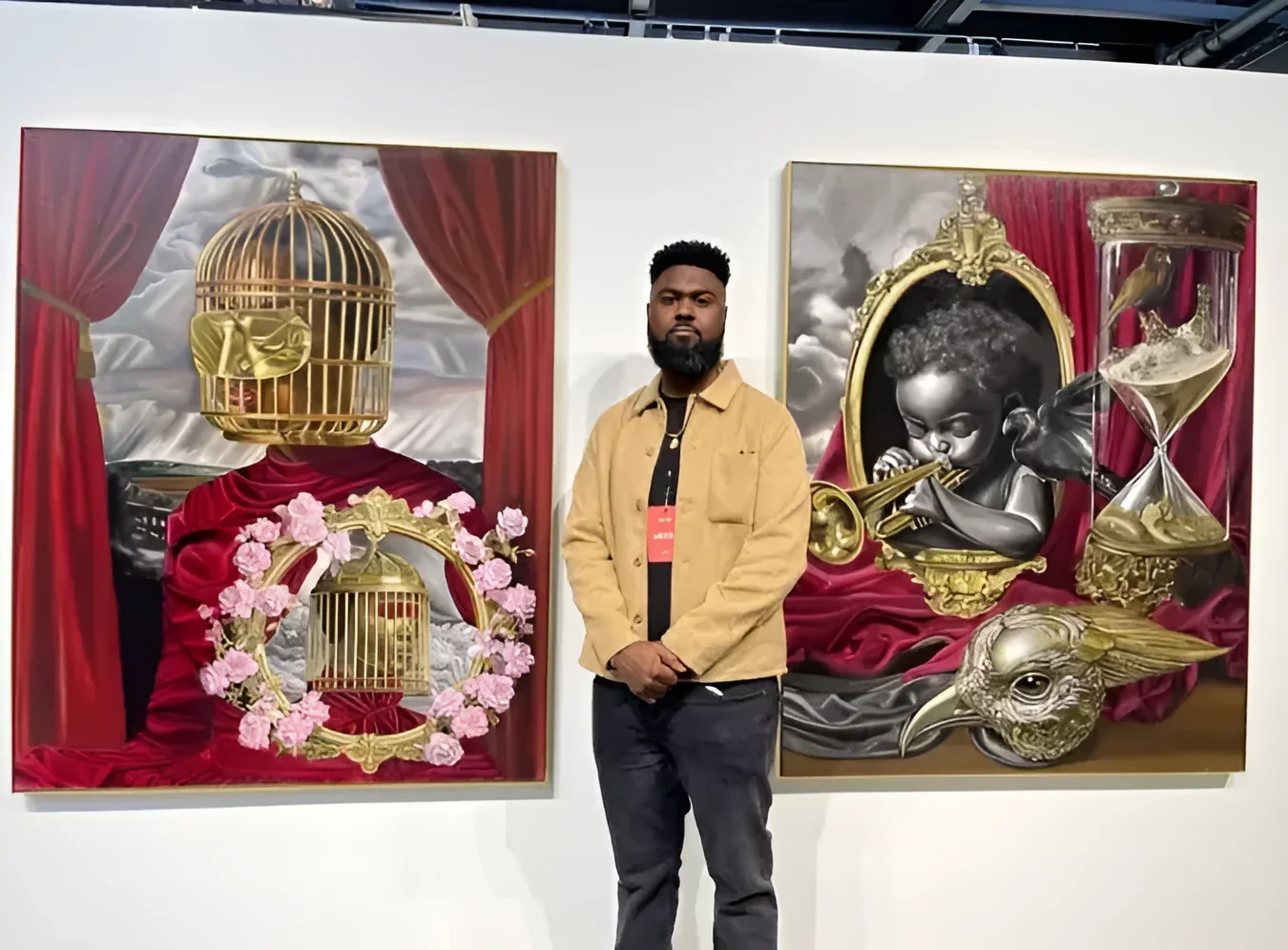
The transformation of an artist is always a painful and exciting process, especially when it comes to transitioning from the tattoo industry, where every stroke is final, to the world of oil painting, where layers can be built up over decades. Marcus Robins has become a prime example of how the discipline and technical rigor of a tattoo artist can breathe new life into the classical canons of the Renaissance. His journey is not just a change of tools, but a deep exploration of identity through the lens of fine art, where the monumental canvas now replaces human skin, and the most complex glazing techniques of the old Flemish masters replace dermal pigments.

Sean O’Malley’s Forehead Tattoo: Why the UFC Fighter Turned His Face into a Billboard

The world of mixed martial arts has always been closely intertwined with tattoo culture, but what former UFC Bantamweight Champion Sean O’Malley demonstrated goes beyond the usual aesthetic self-expression. In an industry where fighters use their bodies as canvases to display strength, faith, or family values, “Suga” decided to pursue radical marketing. His new forehead tattoo with the inscription “Doing Well,” done in a massive font, sparked a flurry of discussion not only among MMA fans but also within the professional tattoo community. This is not just an inscription—it is a loud statement about the fusion of personal branding, commerce, and body art, valued at an eight-figure sum.
Tattoo in Memory of a Friend: The Story of ‘Iron Man’ Rani Gvili and the Symbolism of Memorial Tattoos

For centuries, the art of tattooing has served not only as adornment but also as a powerful tool for preserving memory, turning human skin into a living archive of personal stories, victories, and losses. For many, a memorial tattoo becomes the final stage in the farewell process or, conversely, an eternal reminder that the bond with a departed person cannot be severed. The story of Rani Gvili and his five loyal friends from the small Israeli settlement of Meitar is a poignant example of how a graphic symbol can unite people who have survived a shared tragedy and give meaning to the unbearable pain of loss.
Ancient Chinese Motifs and Characters in Tattoos: A Complete Guide to Symbolism and Meaning

Ancient Chinese characters, or Hanzi, represent one of the deepest and most enigmatic writing systems in human history, which has found its unique embodiment in the modern art of body painting. By choosing an ancient Chinese motif for a tattoo, you are not just applying a beautiful pattern, but connecting with a millennia-old philosophy where every stroke and every curve has a strictly defined meaning that, according to tradition, can influence the destiny of its owner. In this article, we will detail why the ancient symbols of the Middle Kingdom remain at the peak of popularity, and how to avoid regrettable mistakes when choosing them.