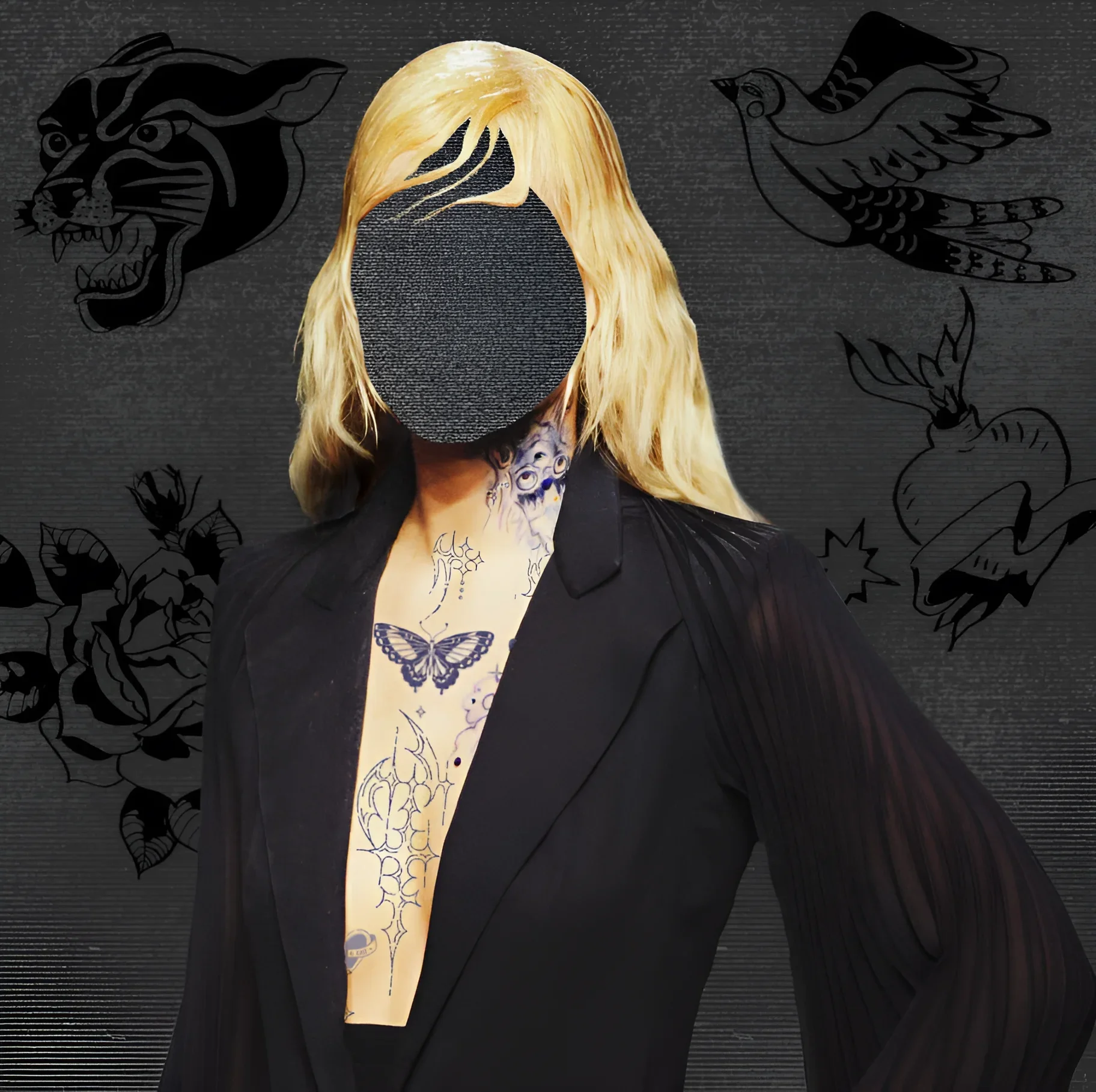
In August 2026, a discussion erupted on social media surrounding a seemingly astonishing phenomenon: tattoos could serve as a shield against deepfakes. Viral videos promised that an abundance of ink on the body would hinder generative artificial intelligence algorithms from creating a realistic copy of a person. However, as it turned out, this protection is merely a temporary lull before the storm of technological progress.
Kerry Gilbert
Black Alien wants to become a cyborg: the evolution of tattoo culture

In the world of tattoo culture, there are people whose bodies have become canvases for the boldest experiments. One such person is Anthony Loffredo, known by the pseudonym Black Alien. His name has become a symbol of radical changes in the perception of the human body. But what if his journey doesn’t end with tattoos and scars? In a recent interview, he shared plans that could change our understanding of humanity’s future.
Neural Networks in Tattoo Salons: Revolution or Headache for the Artist

The modern tattoo industry is on the verge of significant changes, driven by the rapid integration of artificial intelligence technologies. While some artists see neural networks as a threat to their craft, others, like Kerry Gilbert from Weymouth, are finding ways to benefit from progress while maintaining a critical approach. The owner of Tattoo Morningstar studio, which opened its doors in 2019, notes that AI has become an integral part of the workflow, but its use requires a tattoo artist to have not only artistic flair but also deep technical knowledge to correct the errors of “machine thinking.”