
In today’s world, the line between personal self-expression and strict professional ethics is becoming increasingly blurred, yet for law enforcement officers, the rules remain unwavering. The conflict between individuality and regulations has once again come to the forefront after an incident in the Republic of South Africa, where a seemingly harmless social media photo led to serious trouble for a police officer. This case raises an important question: where does the right to control one’s own body end, and the duty of service, requiring impeccable appearance according to the letter of the law, begin?
tattoo ban
Tattoos in Japan: How to Avoid Problems and Where Bans Apply

Jamie-Lee Hitchcock, a resident of Australia’s Gold Coast and mother of two, planned her long-awaited trip to Japan as a fairytale summer adventure. However, a few months before her flight, she encountered information that almost made her cancel her booking. It turned out that her numerous tattoos, which are considered a common style element in her homeland, could become a serious obstacle to visiting the most popular tourist locations in the Land of the Rising Sun. “I was in a panic,” admits Jamie-Lee, emphasizing that not a single travel agent warned her about the specific cultural norms still in effect in Japanese society.
Tattoos in the Police: New York’s New Law Will Protect Officers’ Right to Self-Expression
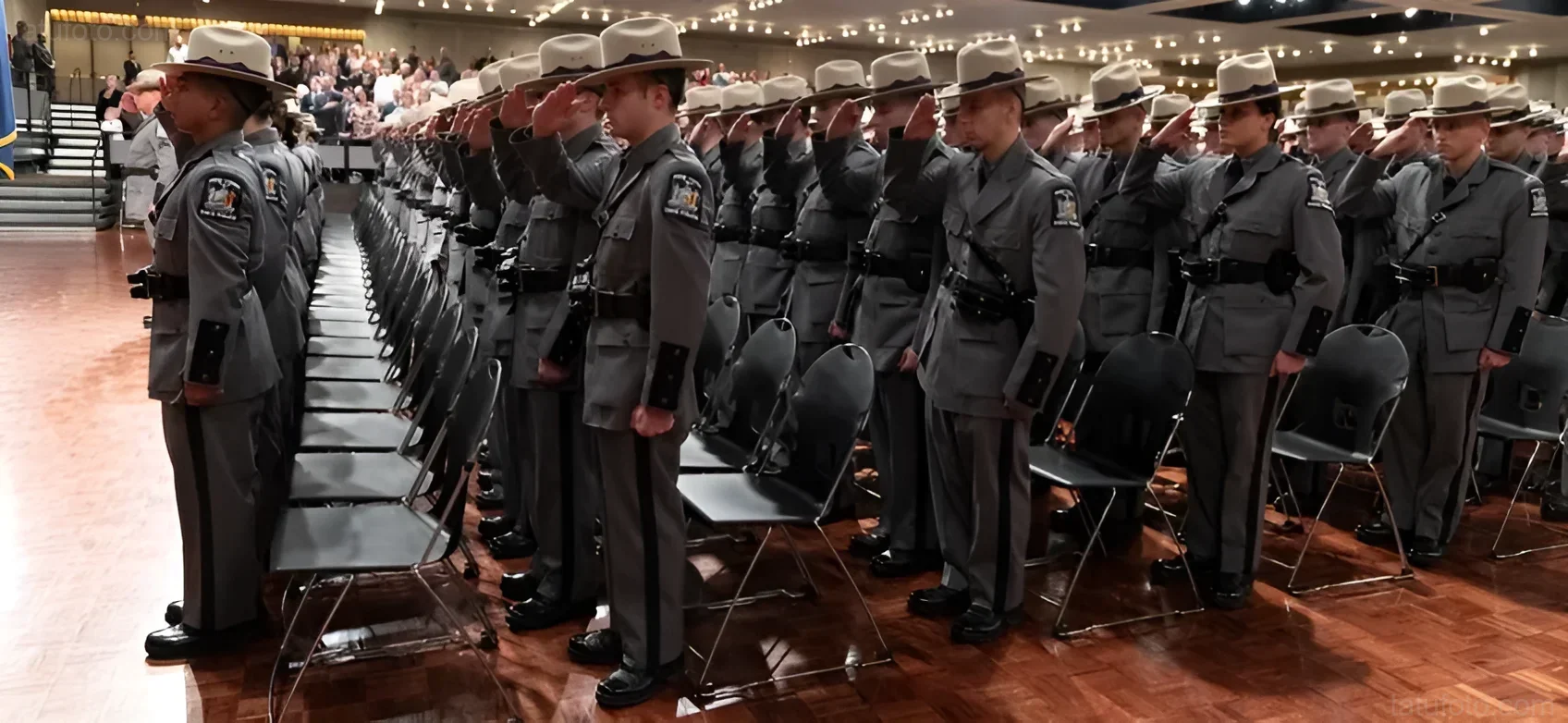
Modern tattoo culture continues its triumphant march, penetrating even the most conservative state structures. A significant legal precedent is brewing in New York State: lawmakers are seeking to turn the state police’s internal instructions into a full-fledged law that will legalize the presence of tattoos among law enforcement officers once and for all. This move marks a definitive rejection of outdated stereotypes that considered “clean” skin a mandatory attribute of an officer’s professionalism and reliability.