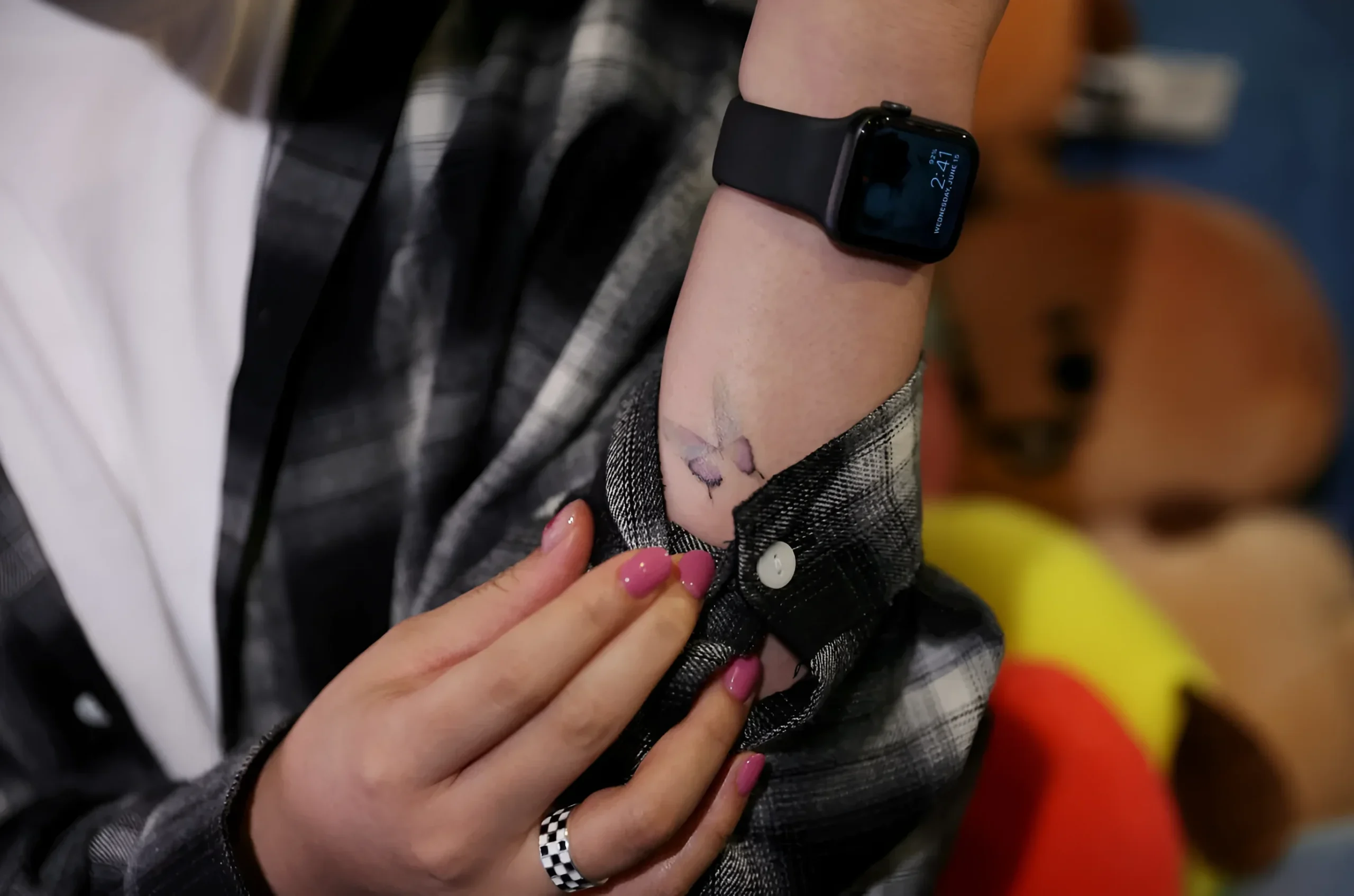
For decades, tattoo artists in South Korea lived in a legal vacuum: their craft was unrecognized, and for every line under the skin, they risked fines or imprisonment. On September 26, 2025, this paradox officially ended – the country’s parliament passed a law that, for the first time in the developed world, separates tattooing from medicine and returns it to where it belongs, into the hands of the artist.
tattoo law
Fine for eight-pointed stars: how old tattoos become grounds for legal proceedings

Judicial practice regarding bearers of specific body art in Russia continues to tighten, turning old tattoos into a serious reason for administrative and even criminal prosecution. Another high-profile case occurred in Oryol, where the local Sovetsky District Court held a man in a pre-trial detention center accountable. The reason for the legal proceedings was not new offenses, but drawings on the skin – two eight-pointed stars, which in the modern legal system of the Russian Federation are unequivocally interpreted as symbols of a banned movement.
Tattoo for an Infant: Legal Consequences and Medical Risks on the Example of a Case in Kentucky

The tattoo industry world was once again shaken by news from the state of Kentucky. The incident involving 27-year-old Brooke McDaniel goes far beyond aesthetic disputes about the quality of body art. It concerns a blatant violation of ethical norms, professional standards, and, most importantly, basic safety rules. A mother tattooed her 22-month-old son, motivating it by the fact that the child “wanted it himself.” From the perspective of the professional community, this case is a classic example of why access to tattoo equipment should be strictly regulated, and the procedure of applying a design should remain the prerogative of certified studios.
Tattoos in the Police: New York’s New Law Will Protect Officers’ Right to Self-Expression
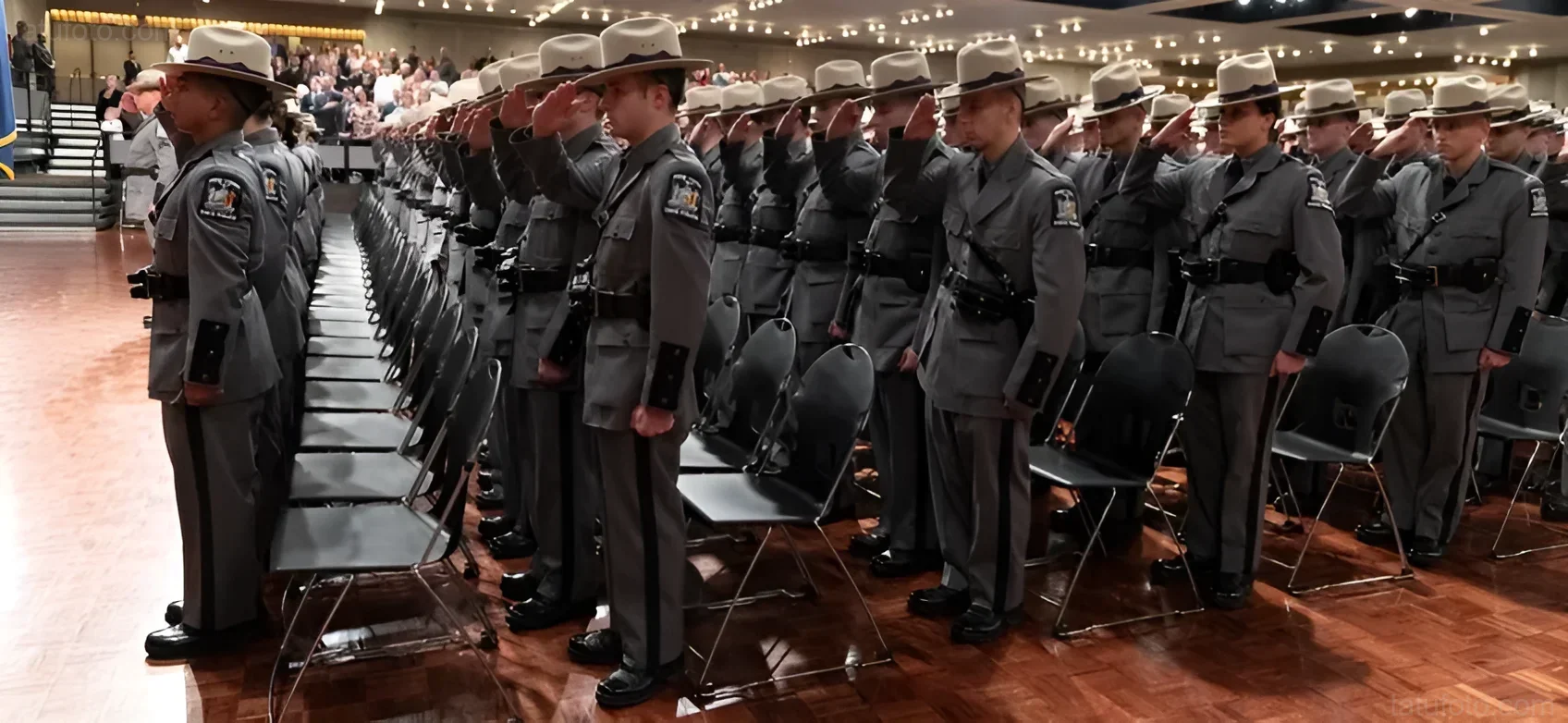
Modern tattoo culture continues its triumphant march, penetrating even the most conservative state structures. A significant legal precedent is brewing in New York State: lawmakers are seeking to turn the state police’s internal instructions into a full-fledged law that will legalize the presence of tattoos among law enforcement officers once and for all. This move marks a definitive rejection of outdated stereotypes that considered “clean” skin a mandatory attribute of an officer’s professionalism and reliability.
Freedom of Speech and Chemistry: How Global Laws Will Change the Tattoo Industry by 2026
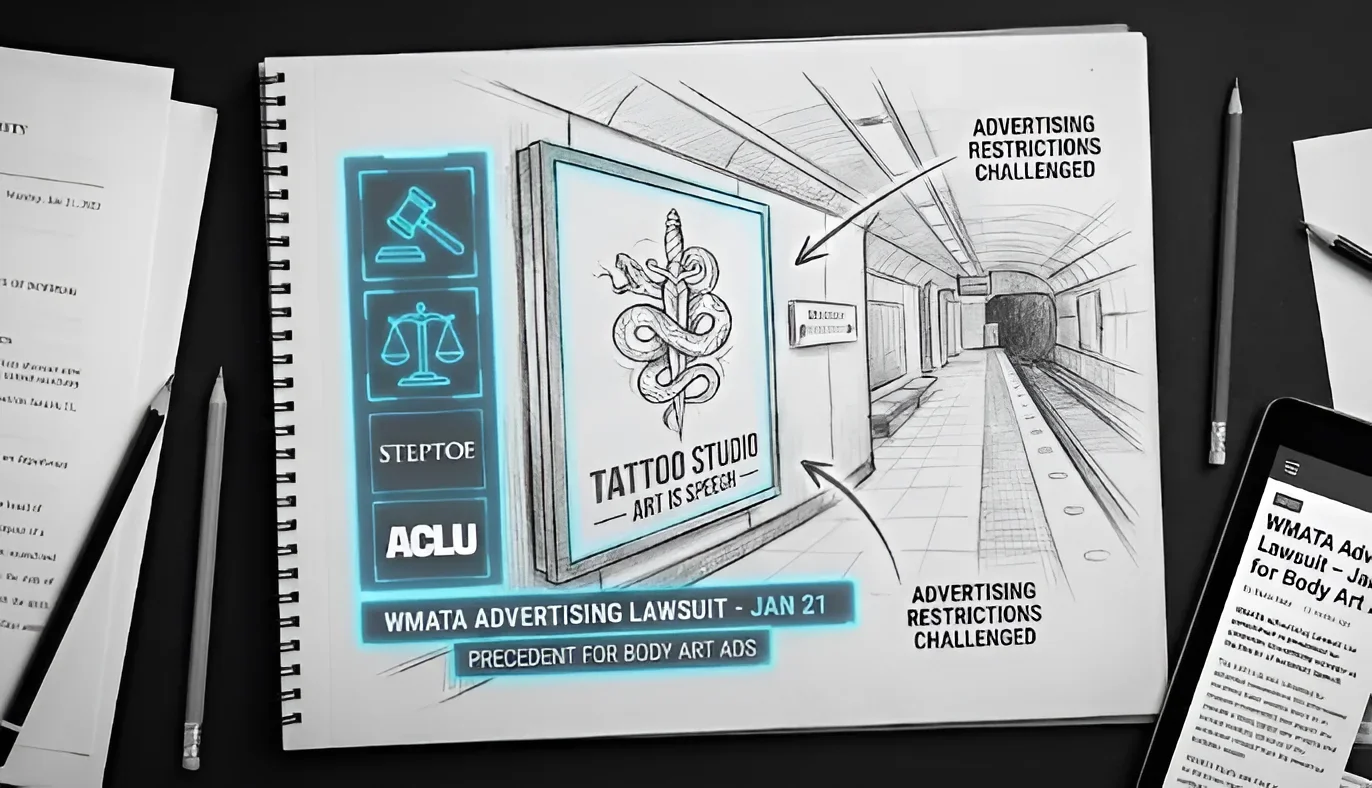
The global tattoo industry is entering an era of strict legal transformation, where the fight to be recognized as a legitimate art form is moving from studios to courtrooms and the offices of Eurocrats. On January 21st, legal giant Steptoe, in conjunction with the American Civil Liberties Union (ACLU), initiated a high-profile lawsuit against the WMATA transport system, challenging discriminatory advertising restrictions. Although the lawsuit formally concerns freedom of speech on public transport, this event holds sacred meaning for the tattoo community: it sets a precedent that will allow tattoo parlors and body modification artists to advertise their services on par with hairdressers or art galleries, moving out of the “gray zone” of public perception.