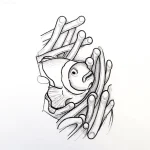
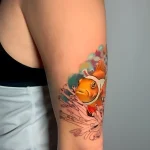
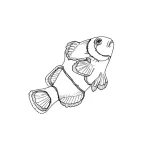
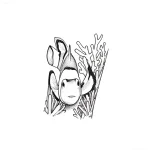
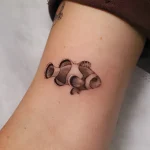
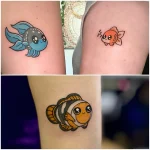
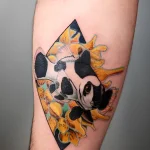
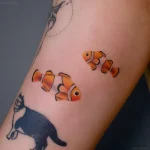
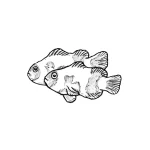
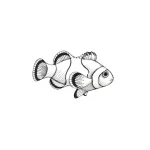
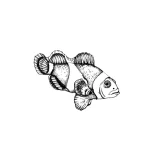
A tattoo depicting a Clownfish (Amphiprioninae) is one of the most vibrant, positive, and yet deeply symbolic choices in modern tattoo culture. Despite its apparent simplicity and playfulness, this orange and white inhabitant of coral reefs carries a powerful charge of optimism, resilience, and unique cultural meanings. On our portal, we will conduct a maximally detailed analysis of the symbolism, artistic aspects, and practical recommendations associated with this memorable marine image.
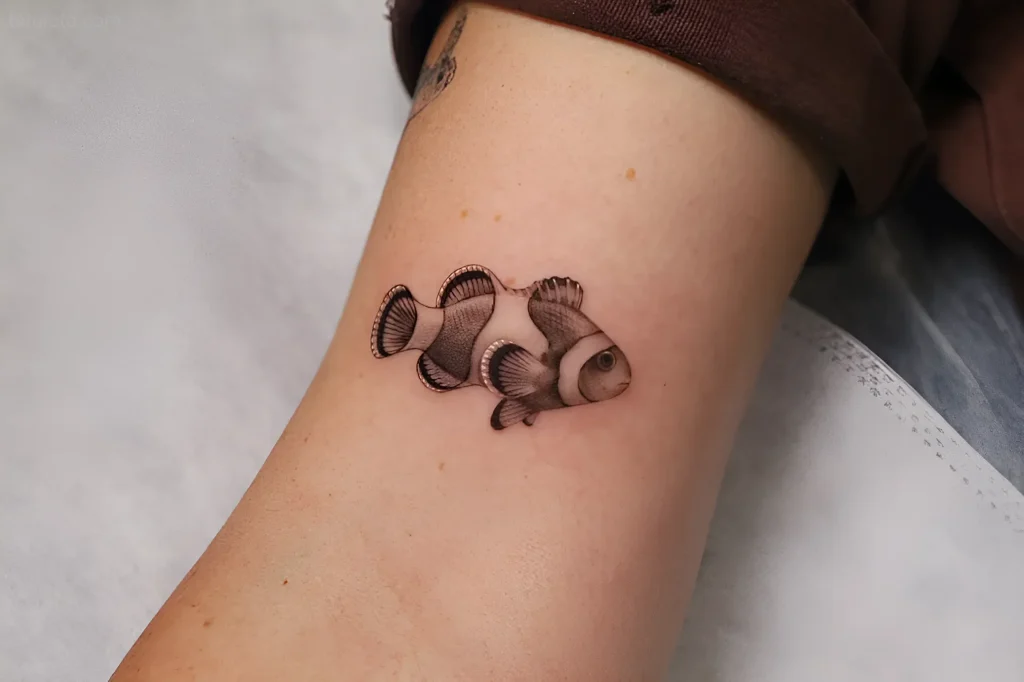
Clownfish Tattoo: General Description and Popularity
The Clownfish, or anemonefish, has long transcended its status as a mere aquarium inhabitant. Its popularity as a tattoo symbol is due not only to cinema, which gave the world Nemo, but also to its unique biological characteristics that make it a powerful symbol of adaptation and protection. The bright, contrasting coloration of the Clownfish allows artists to create truly striking, memorable works that cannot be ignored.
By choosing this image, you are primarily betting on visibility and positivity. Unlike more somber or aggressive marine symbols, the Clownfish always carries a bright, life-affirming message. However, as professional tattoo encyclopedists, we must emphasize that the true depth of its symbolism lies in its relationship with its environment.

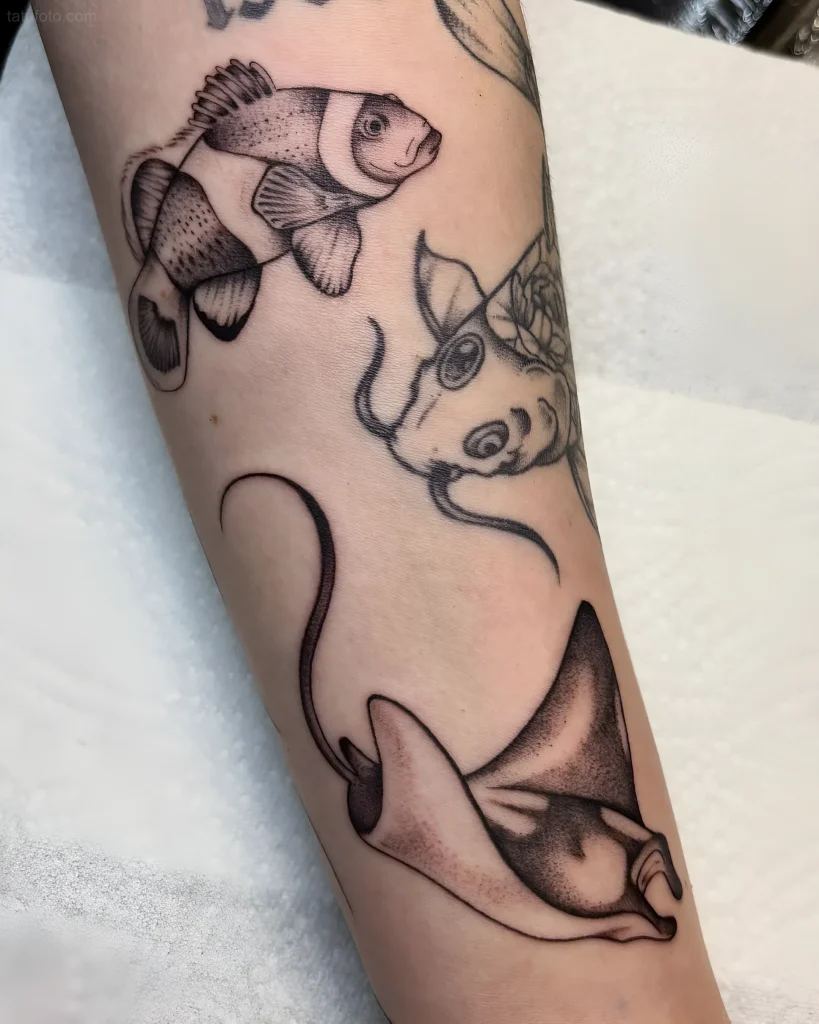
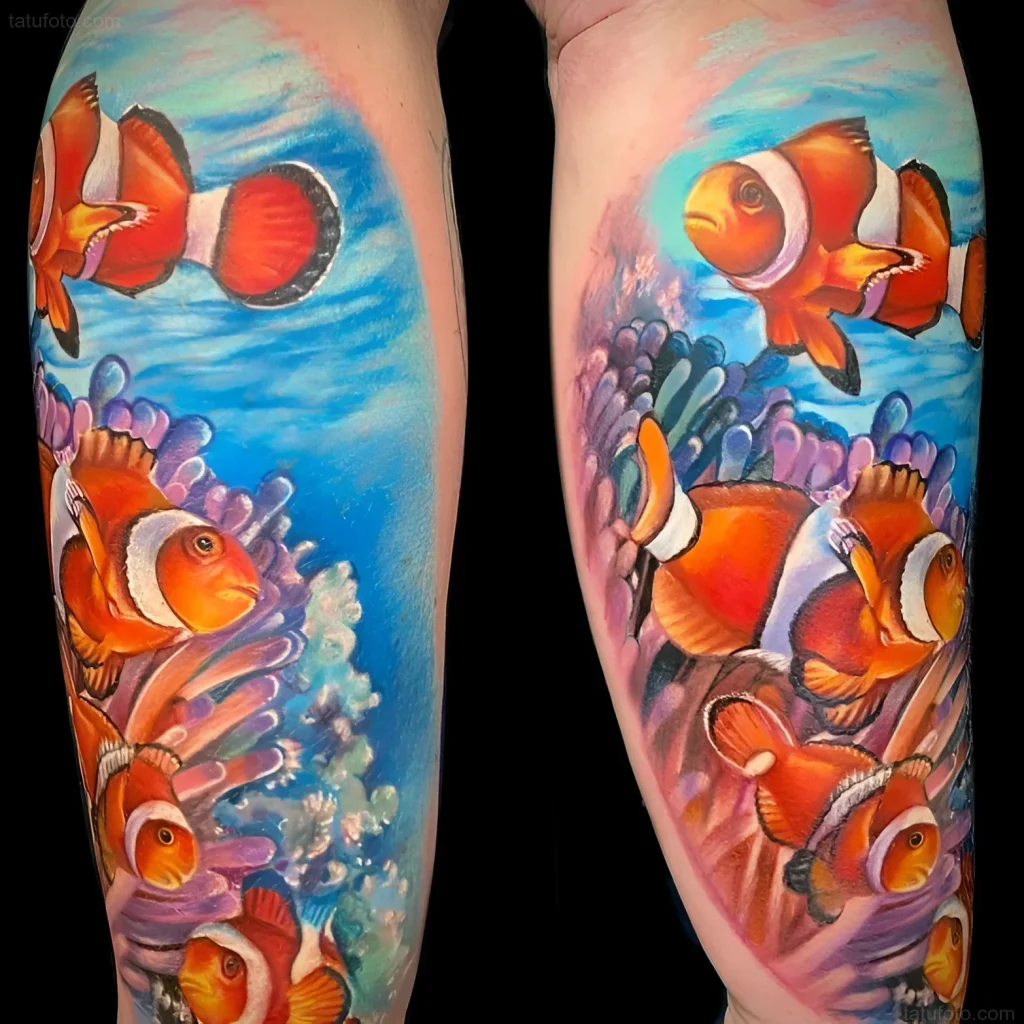
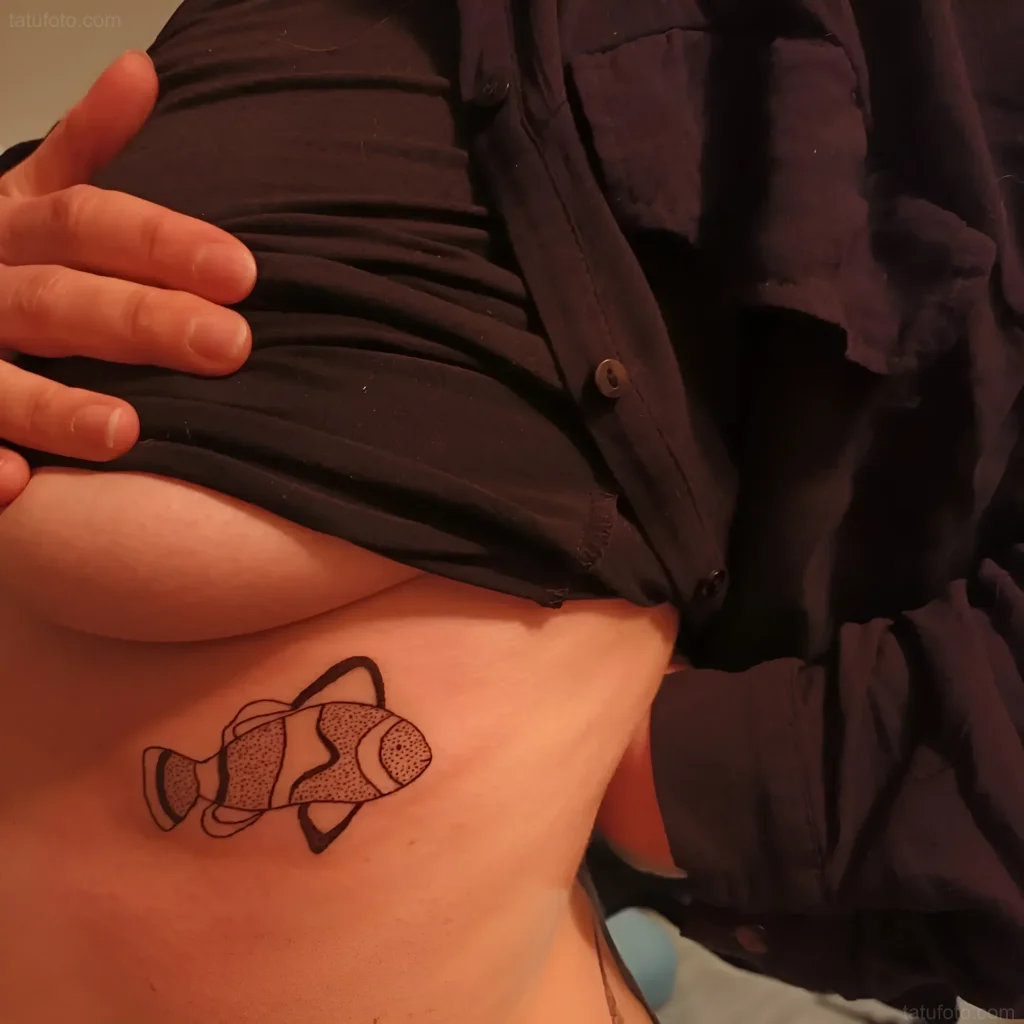
History of Clownfish Symbolism in World Cultures
Although the Clownfish gained global fame and mass popularity through cinema, its symbolism is much deeper. In cultures close to the ocean, the anemonefish has always attracted attention due to its unique characteristic – symbiosis with the poisonous sea anemone.
Symbiosis and Protection:
In the traditions of the peoples of Oceania and Southeast Asia, the Clownfish was often seen as a symbol of an unbreakable bond and protection. Its ability to live unharmed amidst mortal danger (anemone tentacles) was interpreted as a gift of resilience, the ability to find refuge in the most difficult conditions, or as an indicator that even the smallest can be protected by a powerful ally. This meaning directly translates to a tattoo, emphasizing your need for protection or your ability to protect loved ones using wise, rather than aggressive, methods.


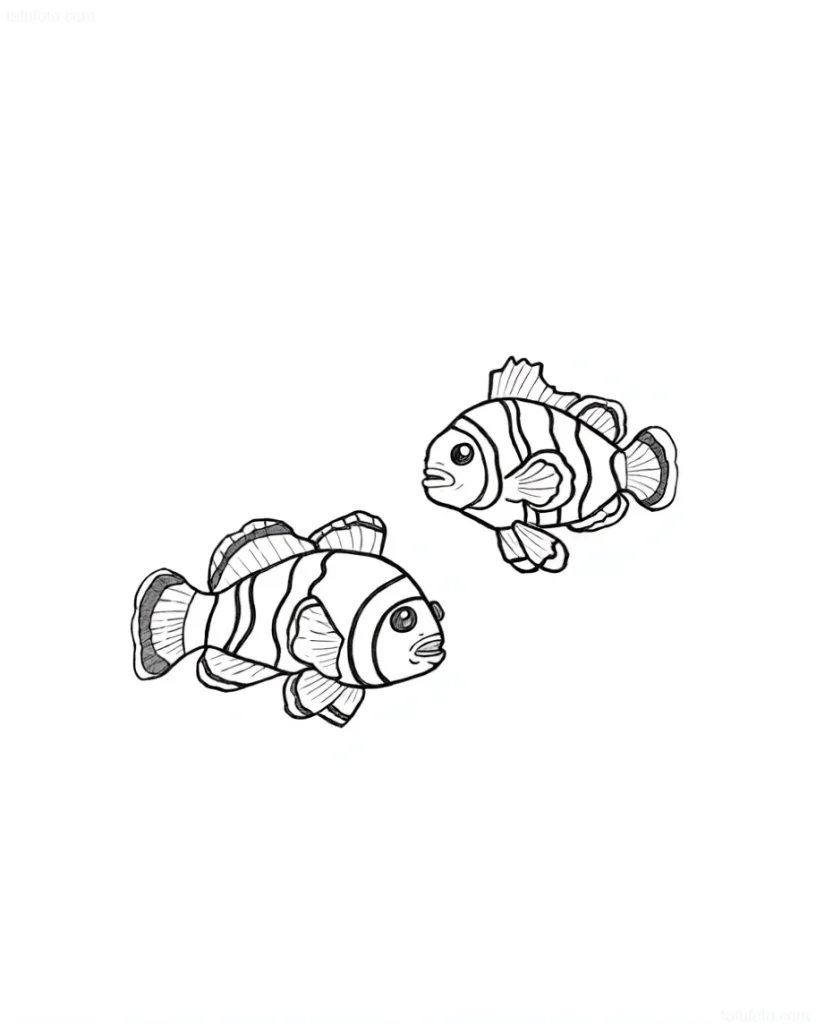
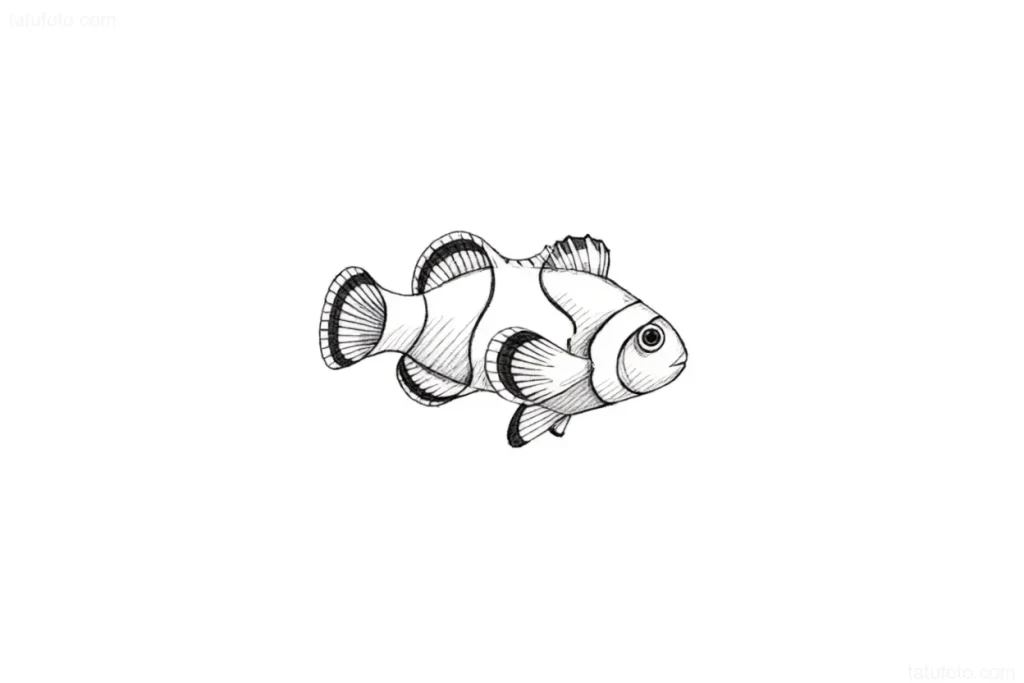
Aspects of Biological Symbolism:
- Sex Change (Protandrous Hermaphroditism): In biology, the Clownfish can change sex (from male to female) during its life if necessary for the survival of the group. This incredible fact adds an extra layer of symbolism to the tattoo, related to transformation, adaptation, flexibility, and acceptance of one’s identity. For some wearers, it’s a symbol of freedom from rigid social or gender norms.
- Bright Color: The neon orange color, contrasting with white stripes, is traditionally associated with joy, energy, visibility, and positive provocation. It’s a choice for those who are not afraid to stand out and attract attention.
Influence of Pop Culture (Nemo):
The influence of the animated film “Finding Nemo” cannot be ignored. Nemo the Clownfish became an archetype of search, adventure, overcoming fear, resilience in the face of loss, and, of course, strong family ties. For many, a Clownfish tattoo is a tribute to nostalgia, a symbol of unwavering optimism, and a reminder to “just keep swimming” despite difficulties. If you choose a stylized image, you are likely emphasizing these more personal and emotional meanings.
Meaning of Clownfish Tattoo: From Optimism to Protection
A Clownfish tattoo is a truly multi-layered symbol that can be interpreted both on the level of personal philosophy and in the context of relationships. By choosing this image, you are not just conveying a love for marine fauna to the world, but also a certain set of life principles. Let’s consider the key meanings embedded in this vibrant design.
1. Unwavering Optimism and Joyfulness
Thanks to its bright coloration and associations with childhood and cartoons, the Clownfish has become synonymous with pure, inexhaustible positivity. If you are a person who always looks for the bright side of life, despite obstacles, this tattoo perfectly emphasizes your nature. It is a visual statement that you prefer to see the world in bright colors.
- Symbol: Joy, light, carefree attitude, faith in the best, inner child.
2. Symbol of Protection and Refuge
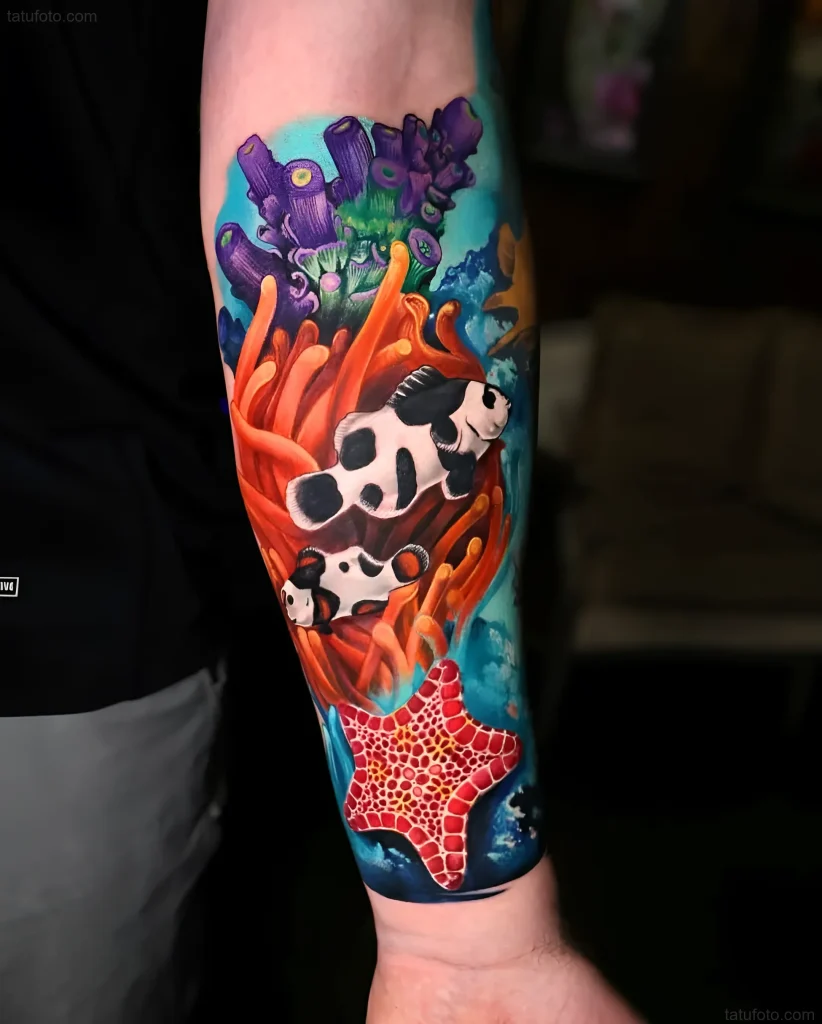
As we have already mentioned, symbiosis with the anemone is a key biological factor influencing the symbolism. The Clownfish, safe among poisonous tentacles, symbolizes the ability to find protection in the most dangerous circumstances or the ability to use potential threat as a shield. Personally, this may mean that the wearer has found their “refuge” or possesses a strong inner “shield.”
- Symbol: Safety, refuge, ability to build strong alliances, wise use of resources.



3. Family Values and Attachment
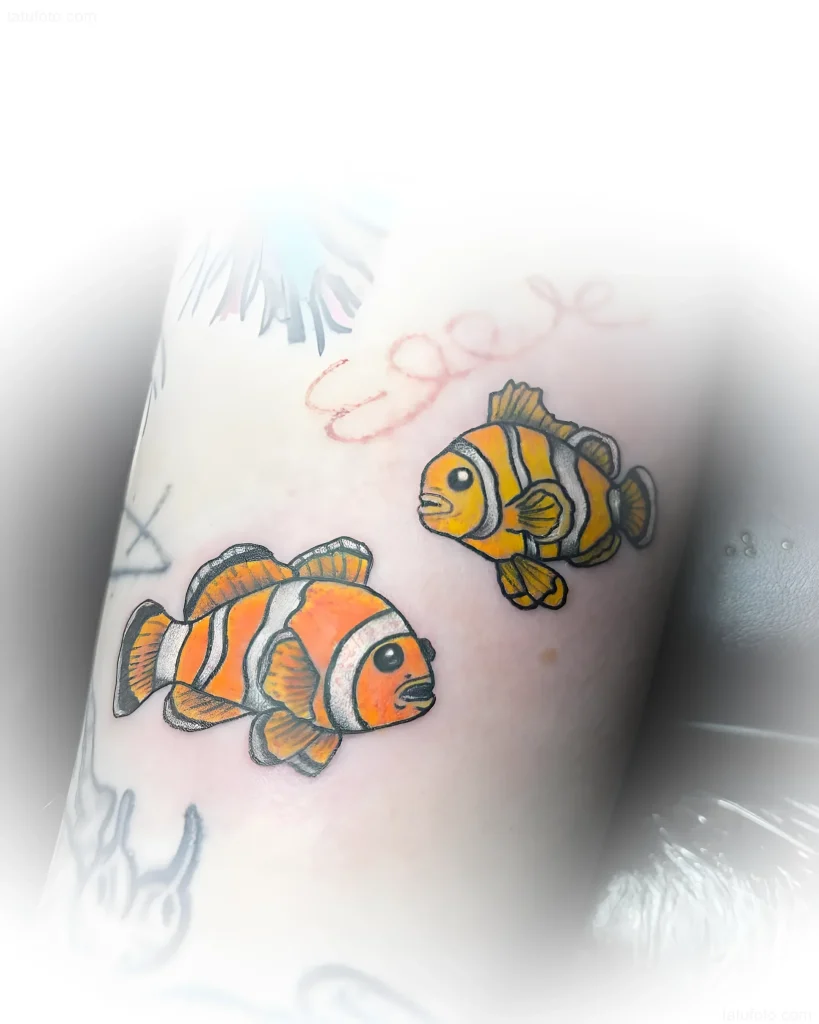
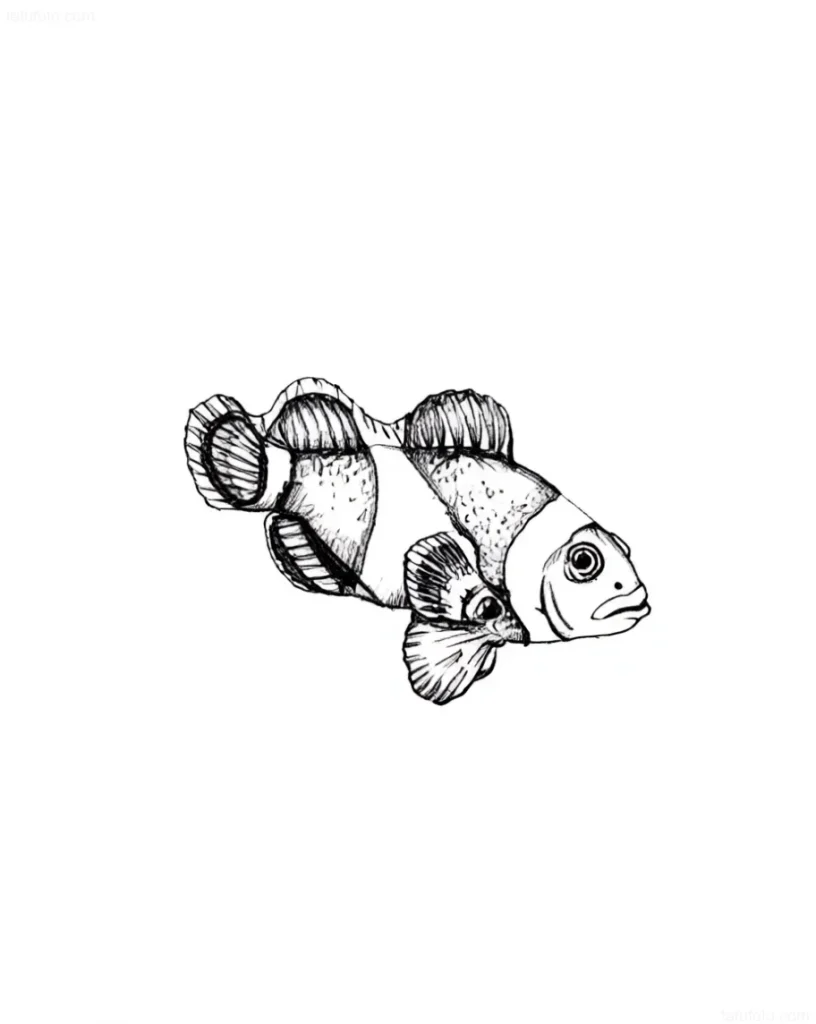
In the context of “Nemo,” the Clownfish is inextricably linked to the theme of paternal love, search, and reunion. The tattoo is often chosen by parents or people for whom family ties are the highest value. It can be either a portrait of Nemo or an image of two fish (parent and child), symbolizing an unbreakable bond.
- Symbol: Love for family, devotion, strong bond, search for home.
4. Adaptation and Transformation
The biological ability to change sex makes this symbol ideal for those who have undergone or are undergoing cardinal personal changes, identity shifts, or simply value flexibility and adaptability in a rapidly changing world. It is a symbol that you are ready to change to survive and thrive.
- Symbol: Flexibility, metamorphosis, acceptance of change, inner strength.
5. Individuality and Standing Out from the Crowd
The bright stripes and unusual appearance of the Clownfish distinguish it from other marine inhabitants. It is a symbol of a person who is proud of their uniqueness and is not afraid to be noticed. The tattoo can serve as a declaration of your right to be bright and unlike others.
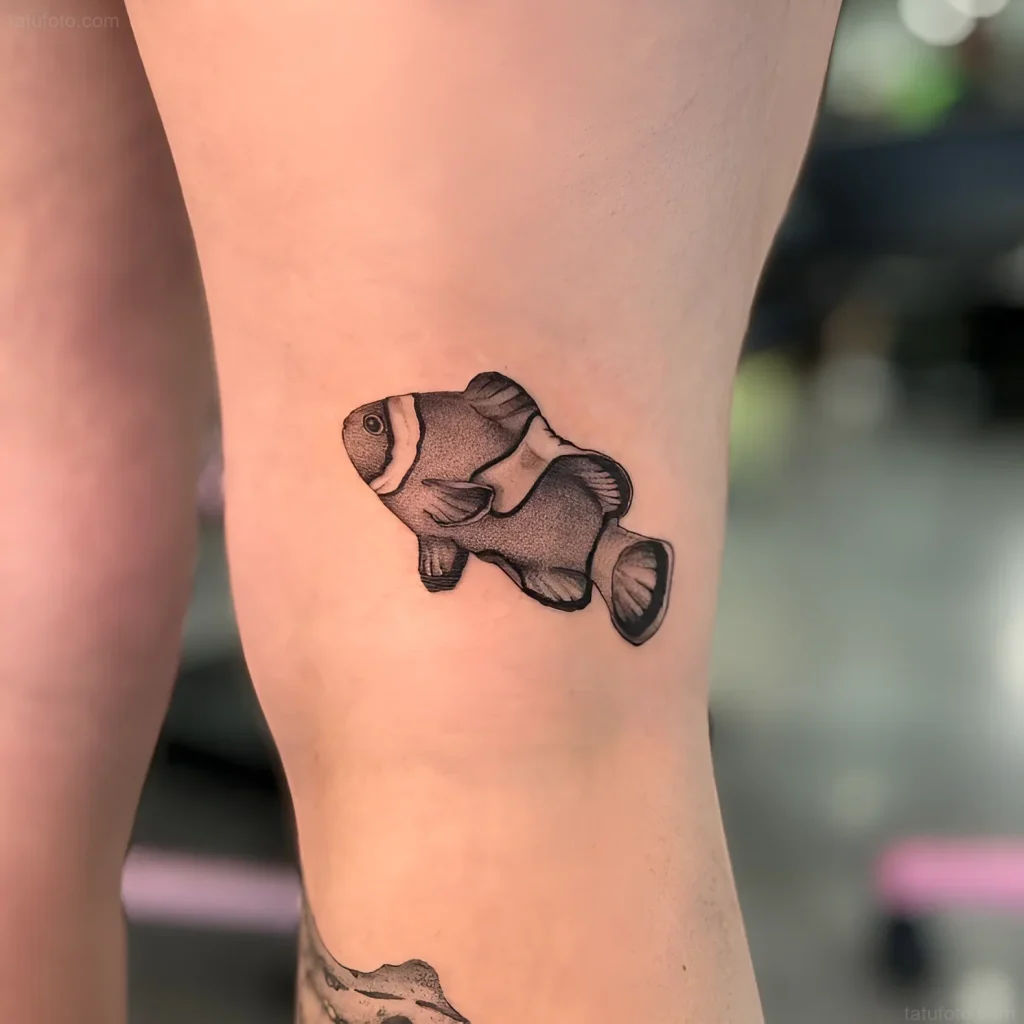
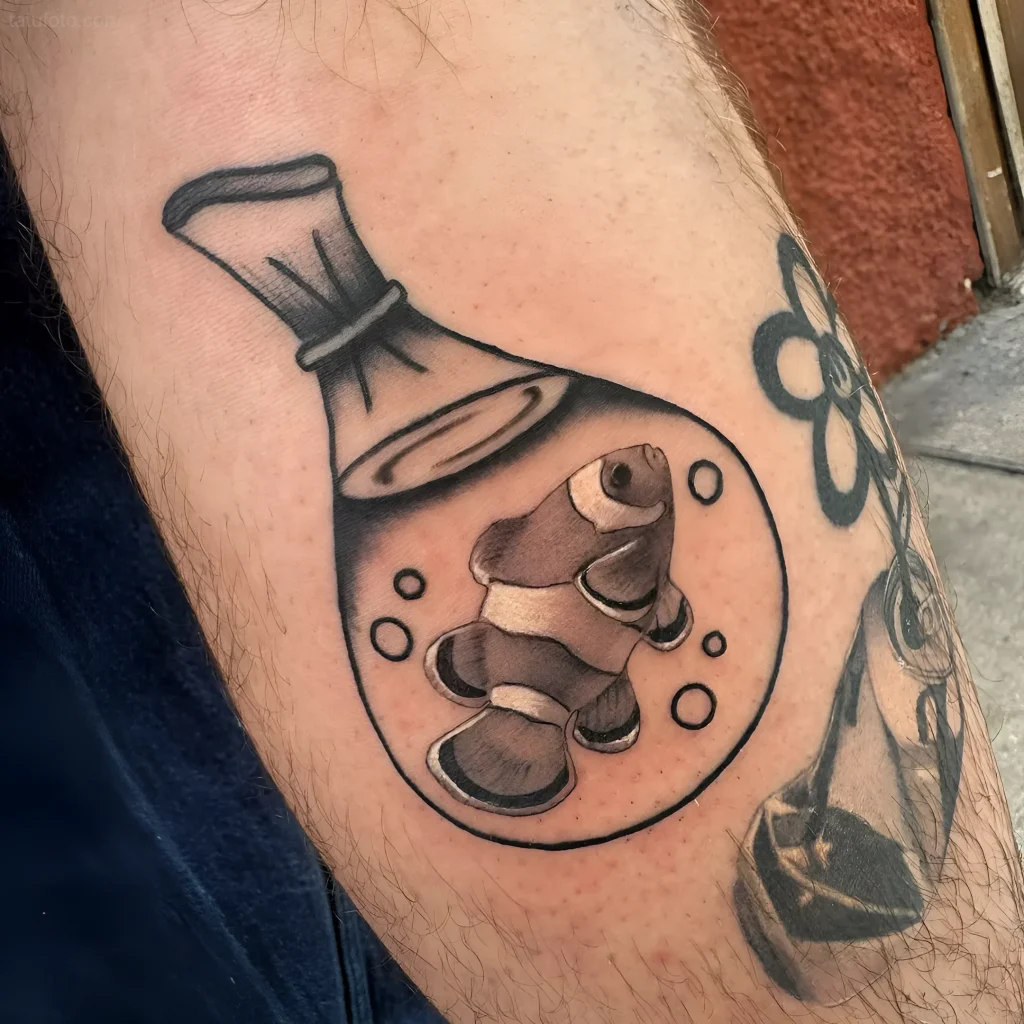
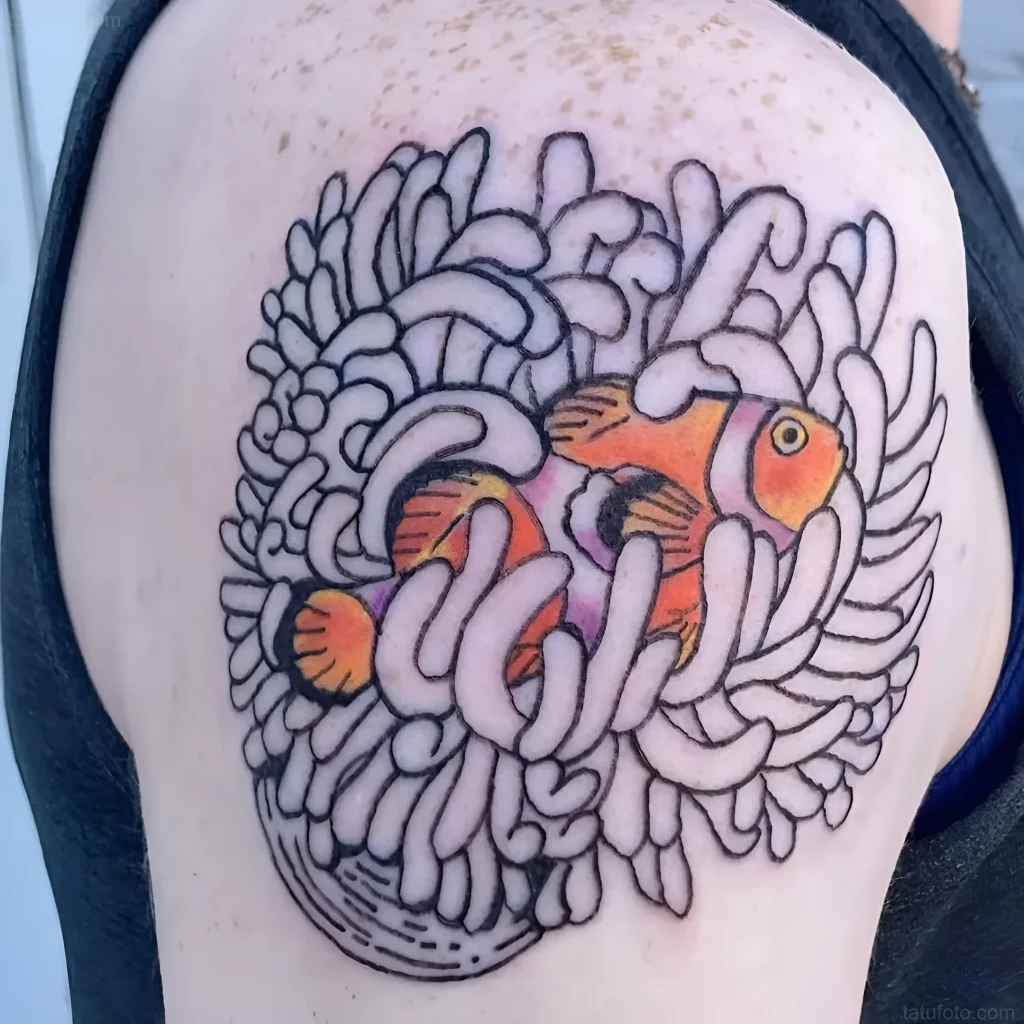
Clownfish Tattoo Styles: From Realism to Watercolor
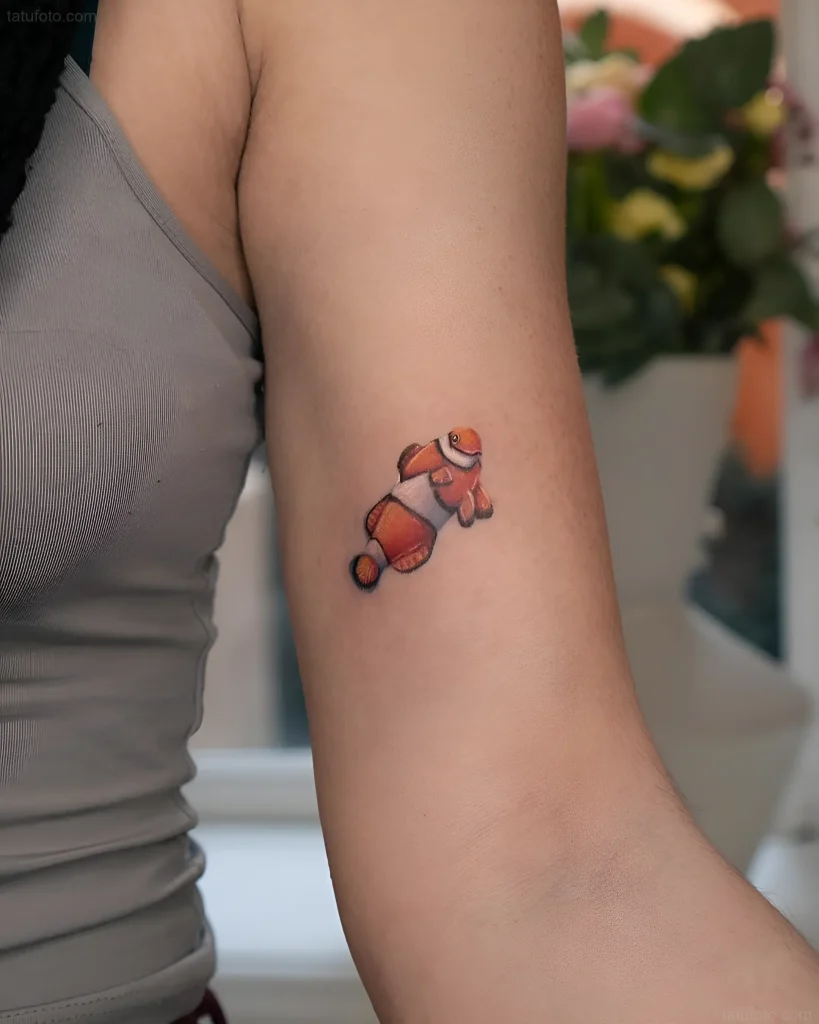
The choice of style drastically affects the perception and depth of symbolism in a Clownfish tattoo. Since this image requires conveying bright colors and dynamism, styles that work with saturated pigment and volume are the most effective.
1. Realistic Clownfish
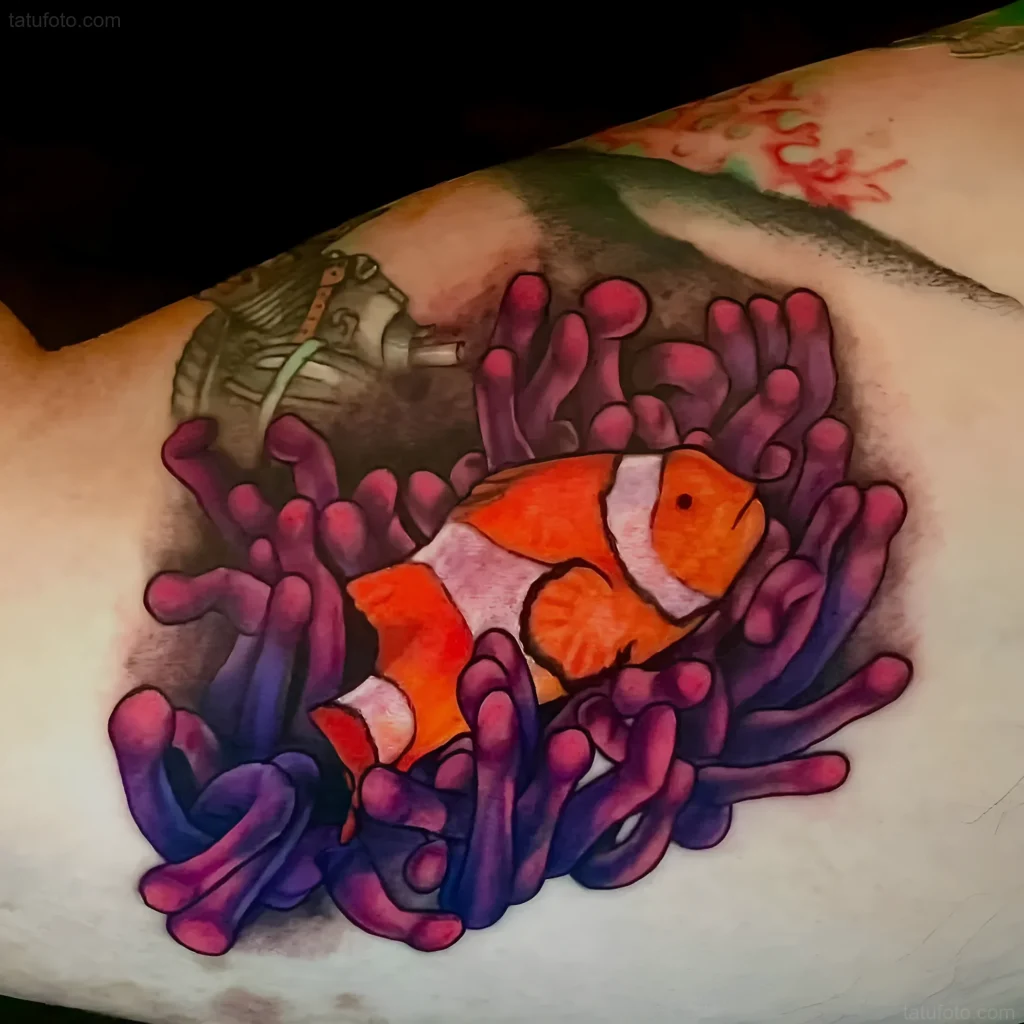
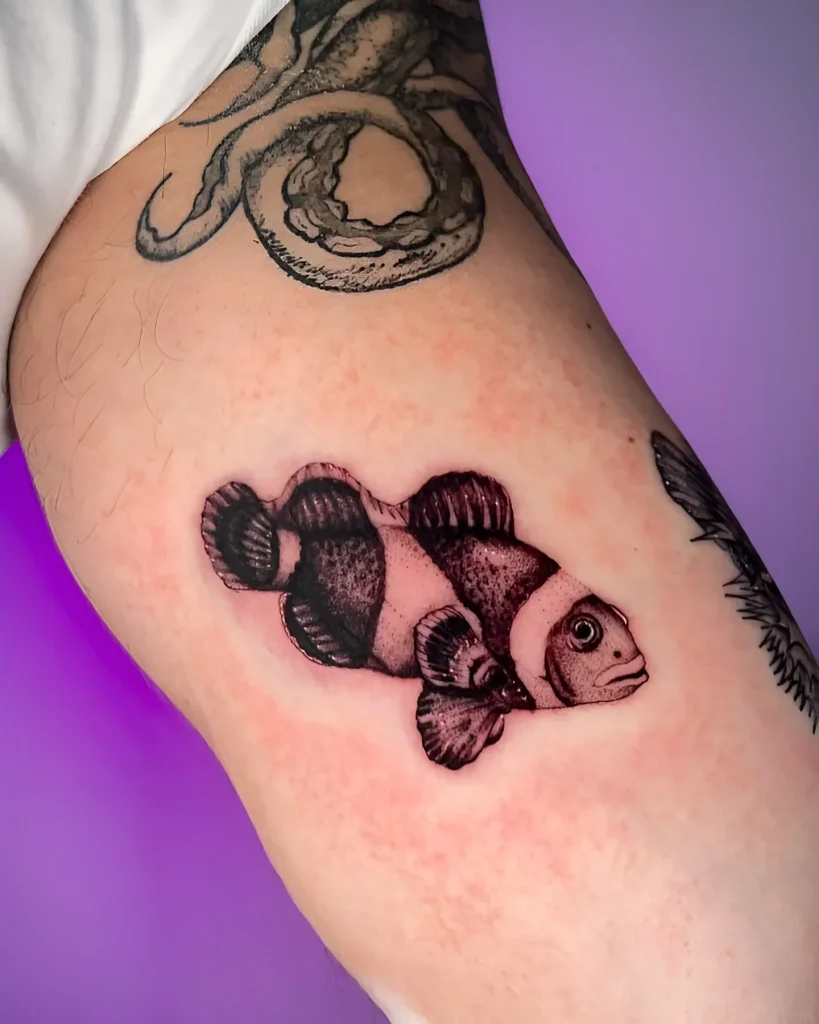
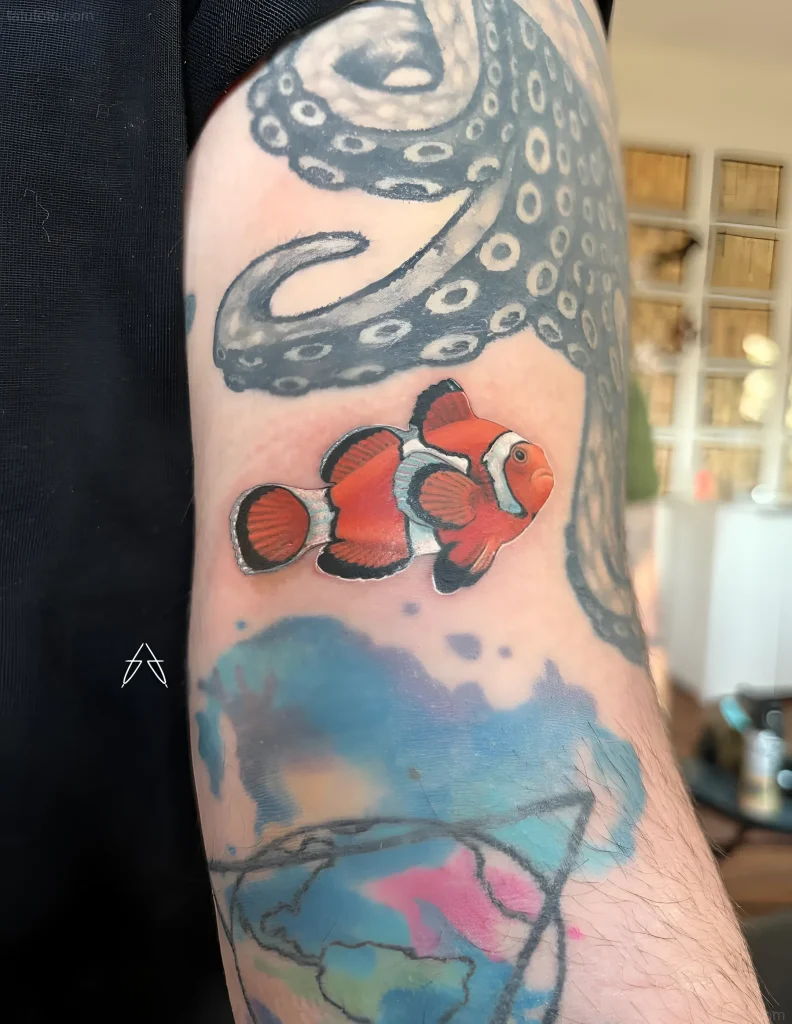
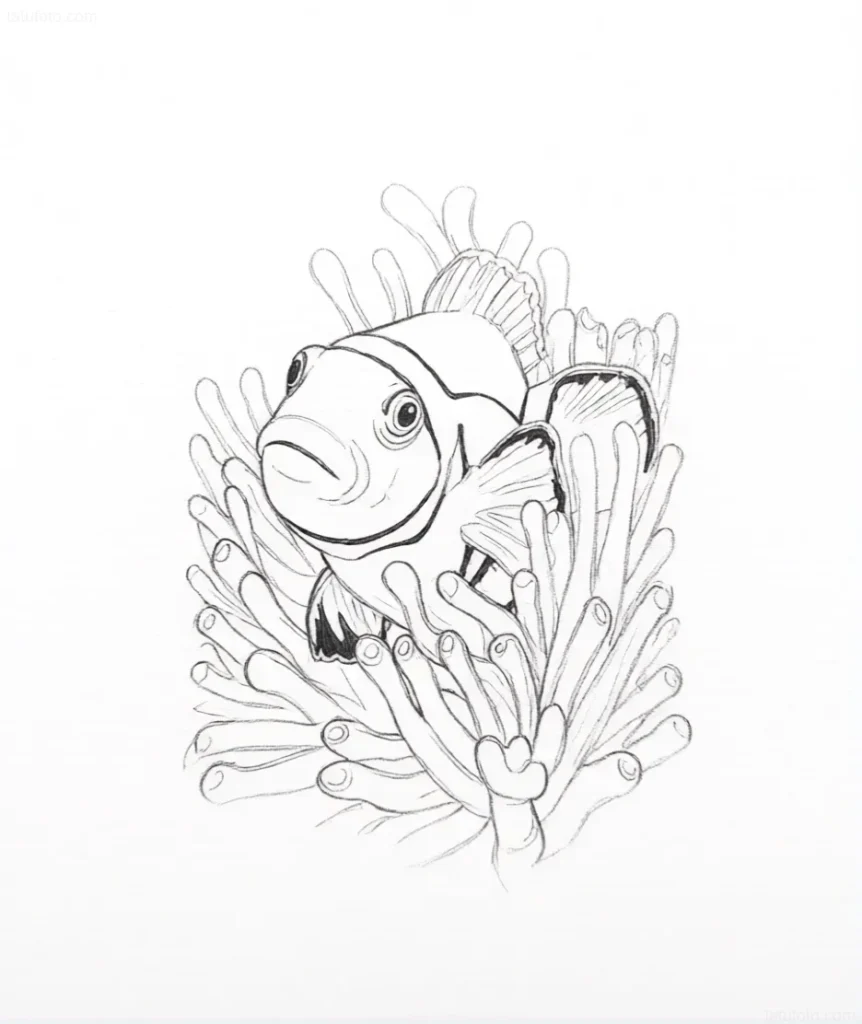
A realistic depiction of a Clownfish requires the highest level of skill in working with color and light. In this style, the emphasis is on the texture of the scales, anatomical accuracy, and, most importantly, on conveying the habitat. Often, the fish is depicted in symbiosis with an anemone, which enhances its symbolism of protection and refuge. Realism is ideal if you want to emphasize the scientific, biological, or deep symbolic aspect (resilience, adaptation).
- Features: Smooth color transitions, detailed eyes, volume, requires a large size to maintain detail.
- Symbolism: Emphasizes biological aspects of resilience and wisdom.
2. Watercolor
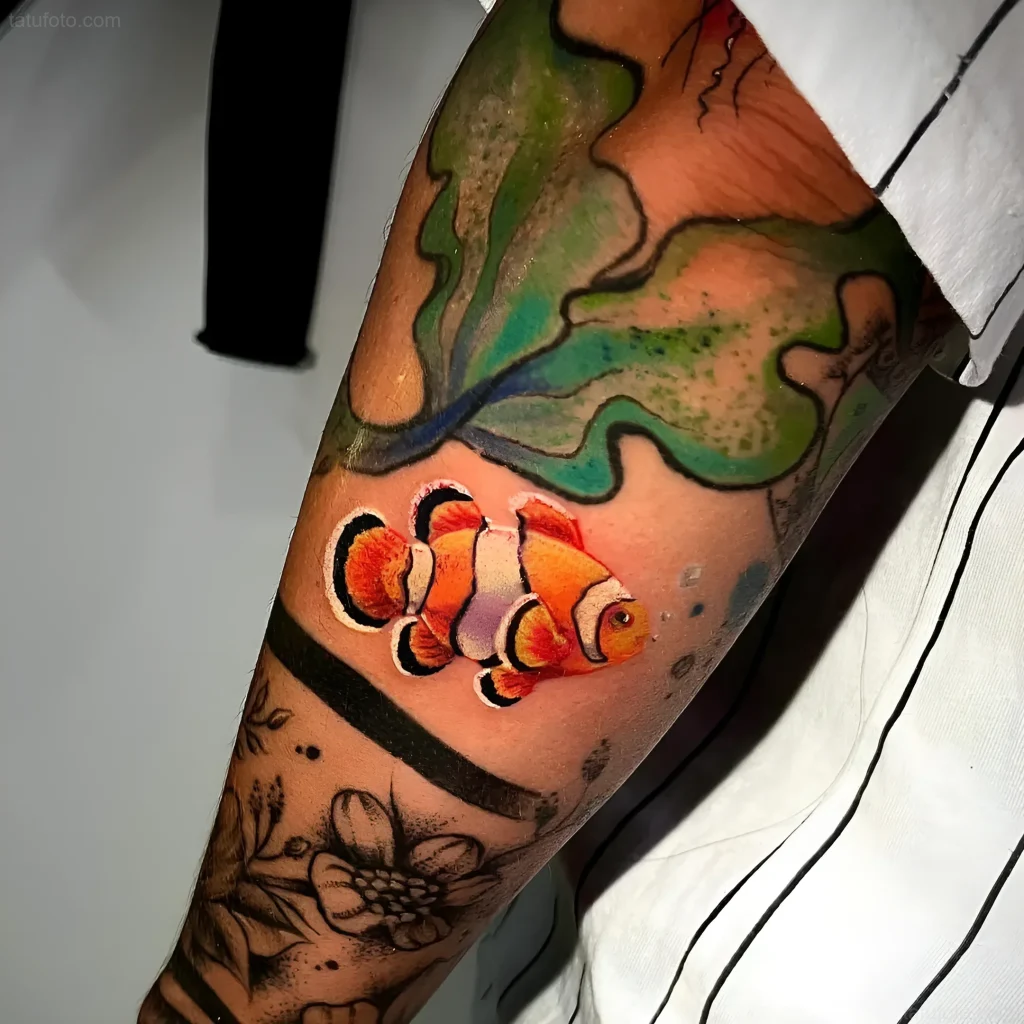
The watercolor style is ideal for conveying the positive, joyful, and light symbolism of the Clownfish. Bright orange and white patches can be complemented by blue and turquoise splashes, imitating seawater. Watercolor emphasizes the wearer’s movement, freedom, and creative approach, perfectly conveying energy and optimism.
- Features: Lack of clear outlines, soft transitions, imitation of brushstrokes, high pigment saturation.
- Symbolism: Pure optimism, lightness of being, creative nature.
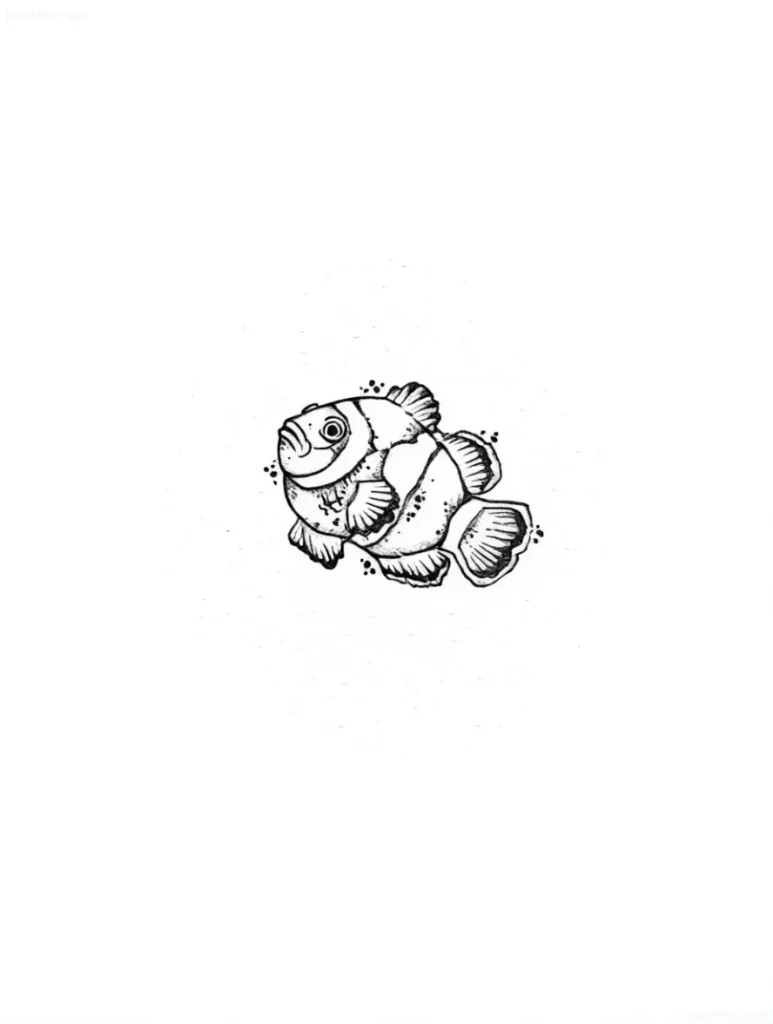


3. New School and Neotraditional
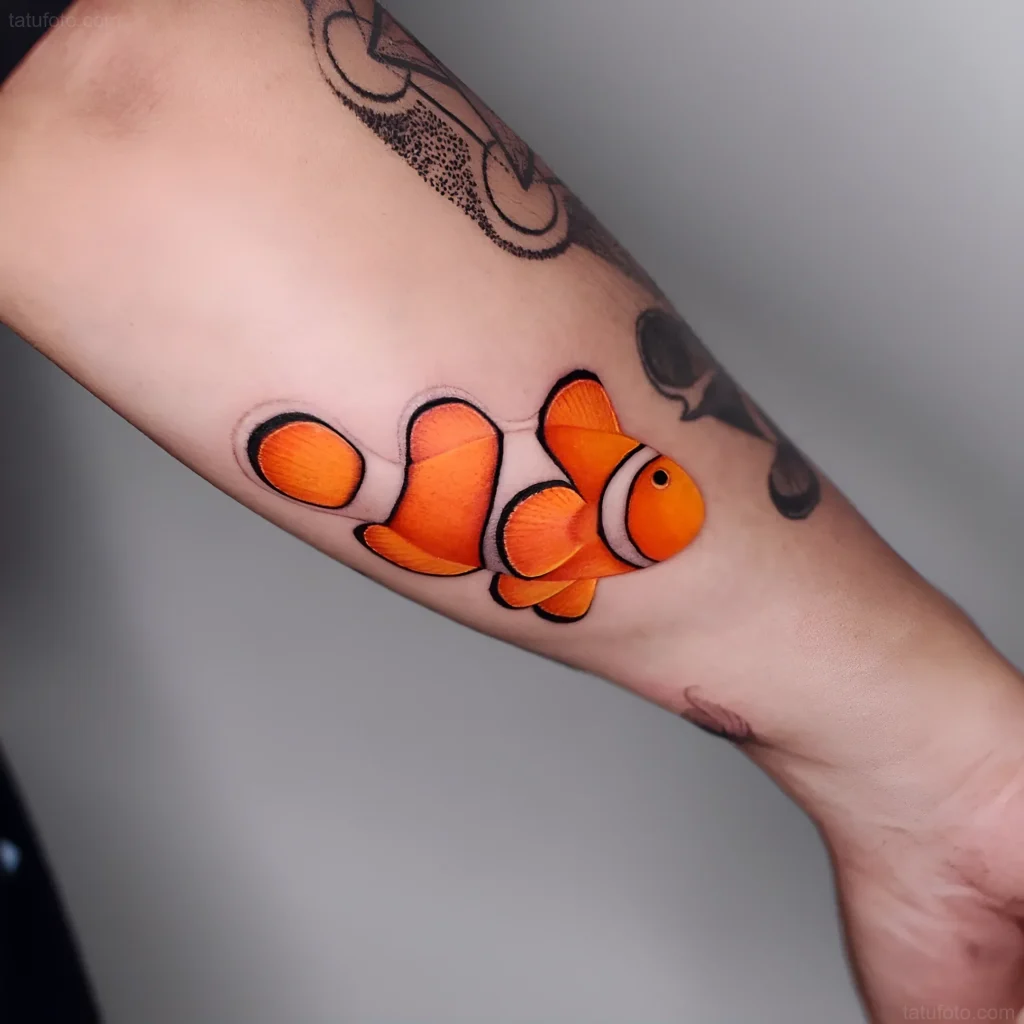
These styles allow for enhancing the “cartoony” or playful aspect of the image (especially if it’s Nemo). New School uses exaggerated forms, thick outlines, and vibrant colors, which are perfect for the symbolism of joy and individuality. Neotraditional offers a more elegant, yet still bright, version, often including decorative elements like intricate corals or seashells.
- Neotraditional Features: More elegant outlines, detailed fins, frequent inclusion of floral elements (corals, algae) to create a complete composition.
- Symbolism: Bright individuality, aesthetics, nostalgia.