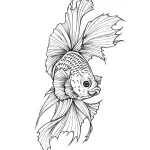
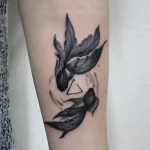
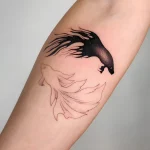
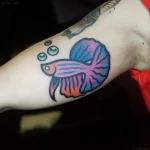
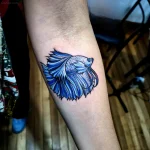
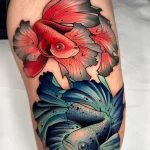
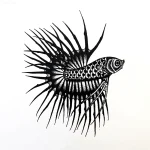
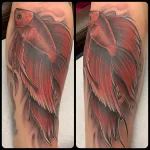
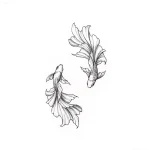
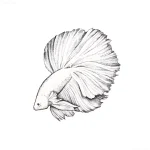
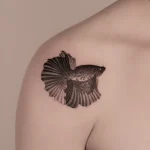
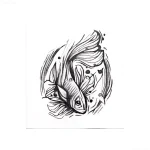
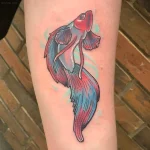
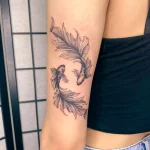
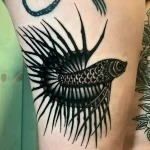
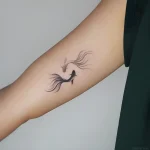
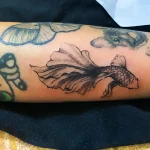
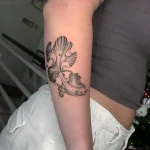
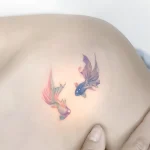
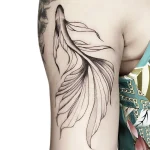
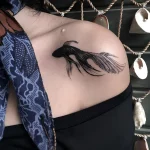
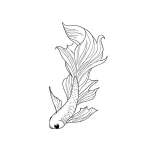
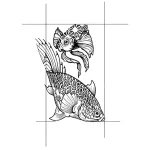
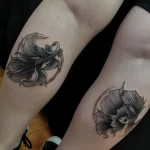
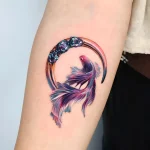
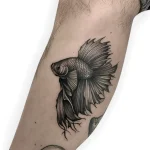
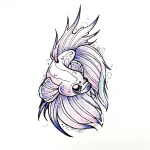
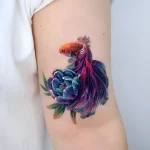
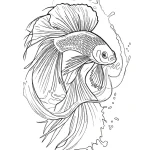
A tattoo featuring a Betta fish (Betta splendens) is not just a tribute to the beauty and exoticism of the aquatic world. It is a deeply symbolic choice, reflecting a complex palette of human qualities: from fierce determination and fighting spirit to refined grace and the pursuit of freedom. Unlike many other aquatic motifs, the Betta fish carries a unique duality that makes it an ideal subject for those who wish to immortalize their inner struggle and magnificence on their skin.
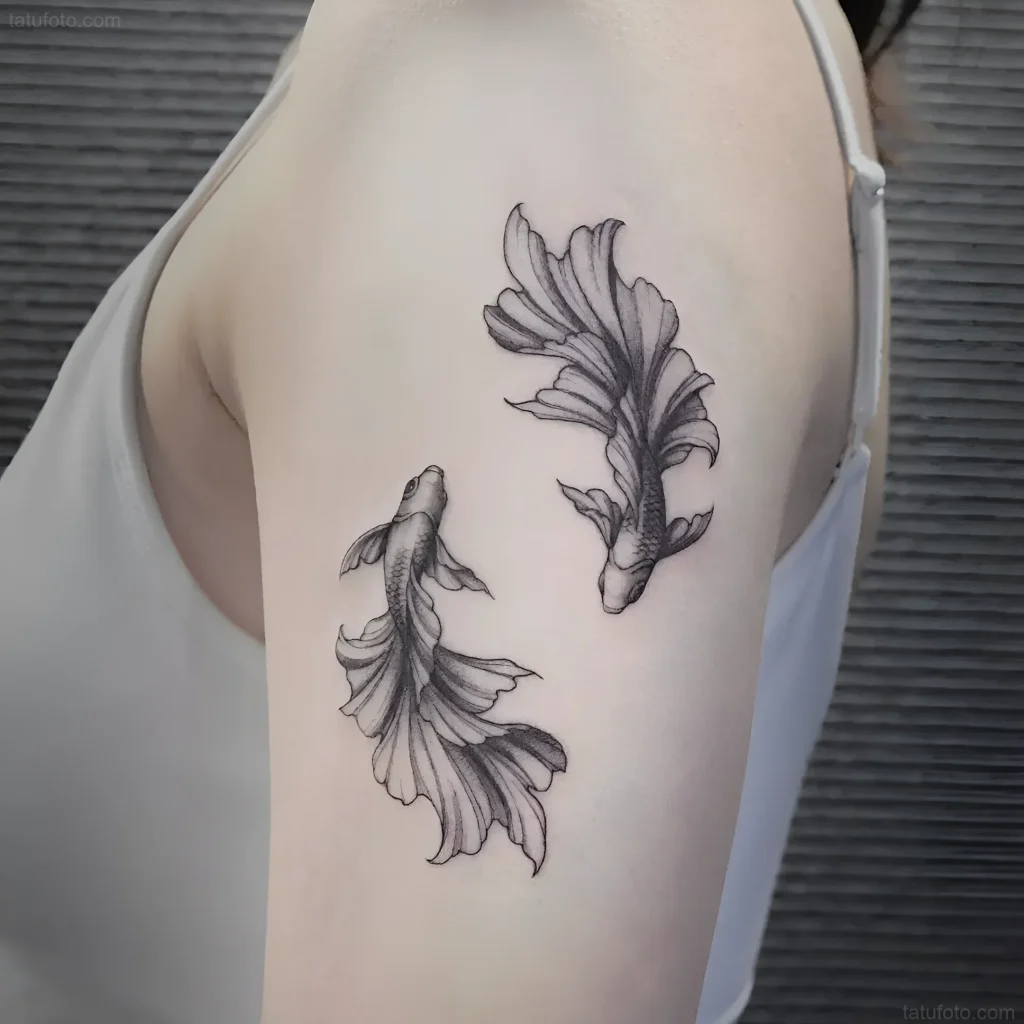
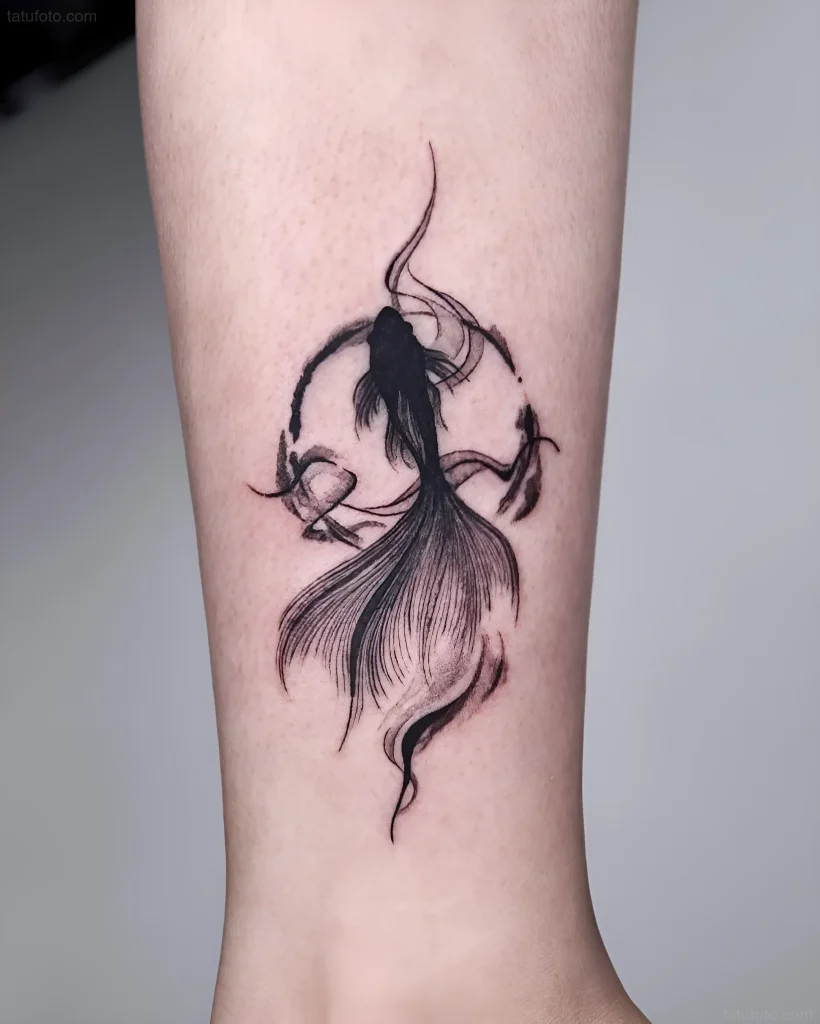
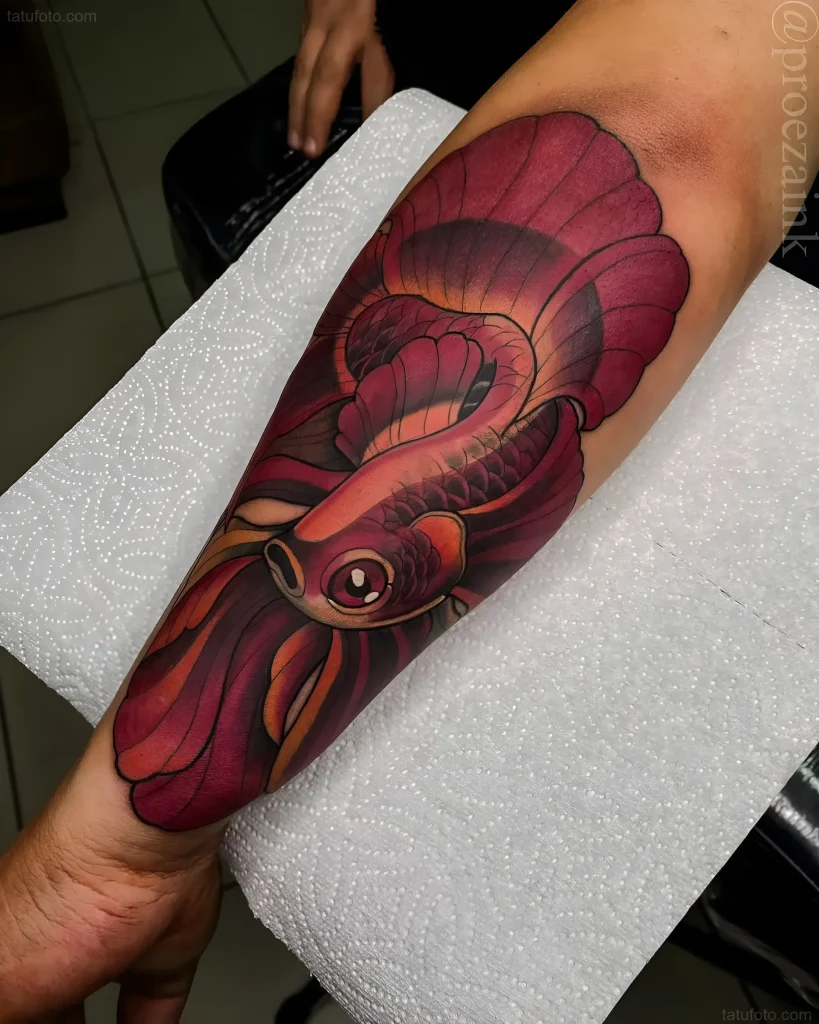
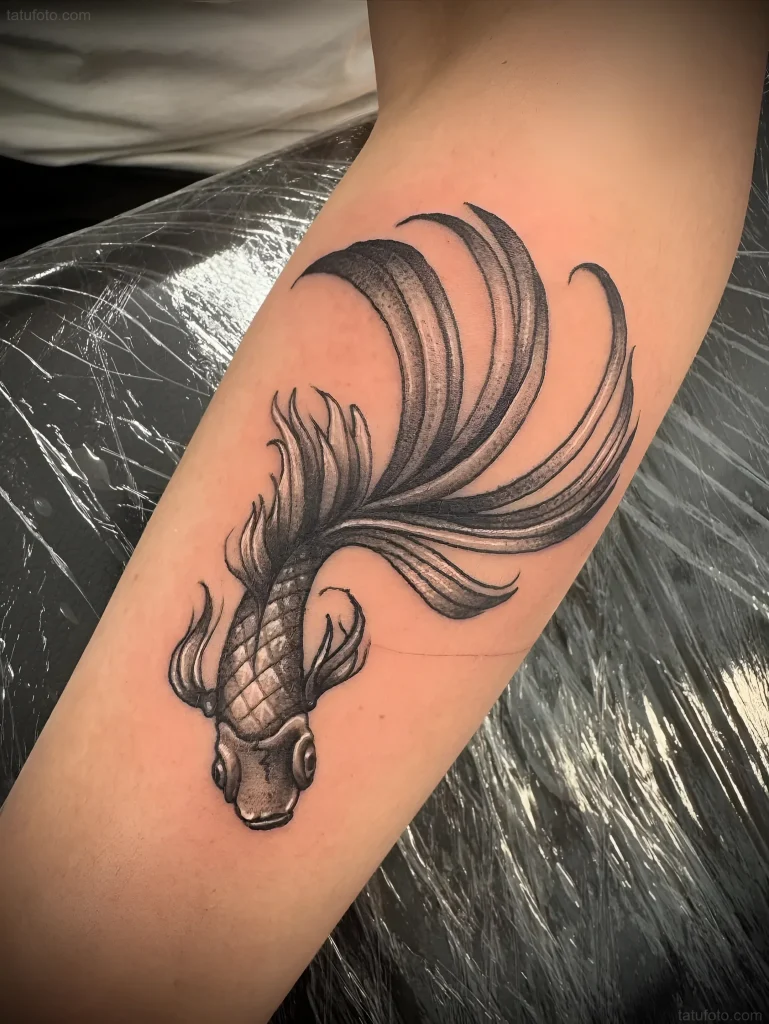
Betta Fish Tattoo: A Comprehensive Guide to Meaning and Styles
The Betta fish, or fighting fish, has earned its popularity in tattoo art thanks to its incredible aesthetics: lush, flowing fins and tails resembling veils or flames, and of course, its vibrant, often fluorescent colors. But for us, as tattoo encyclopedists, not only the visual but also the semantic content is important. This article is a detailed guide to help you understand why the Betta fish might be your ideal symbol.
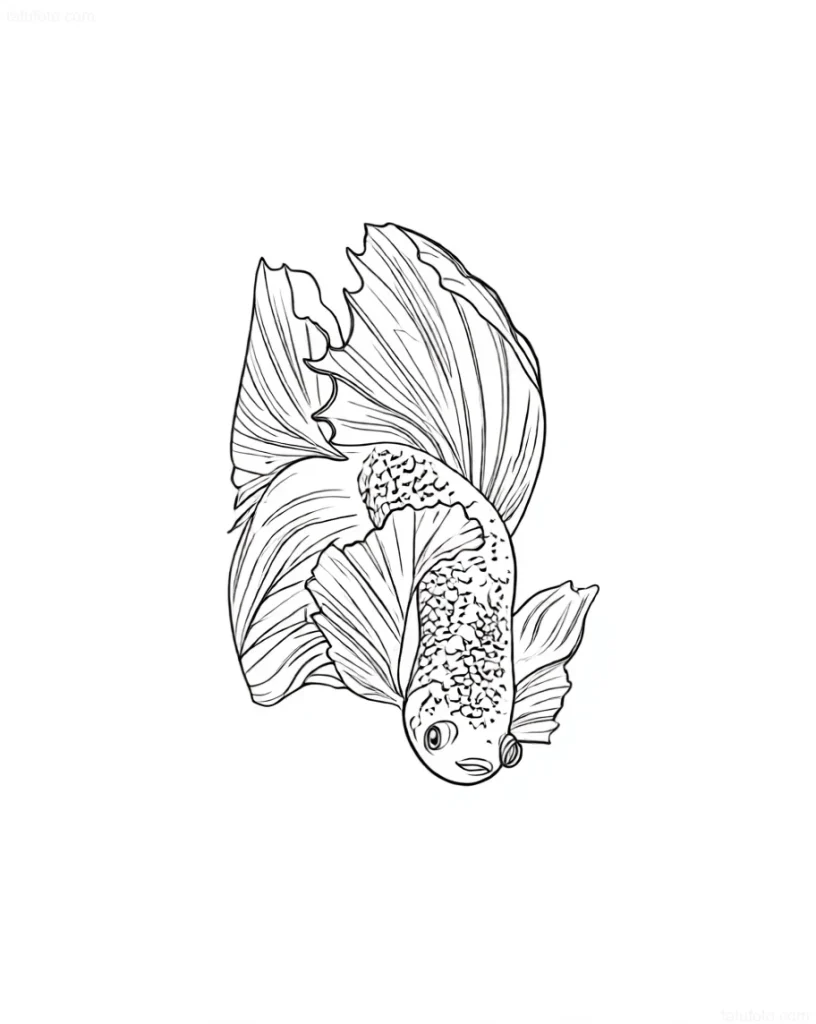
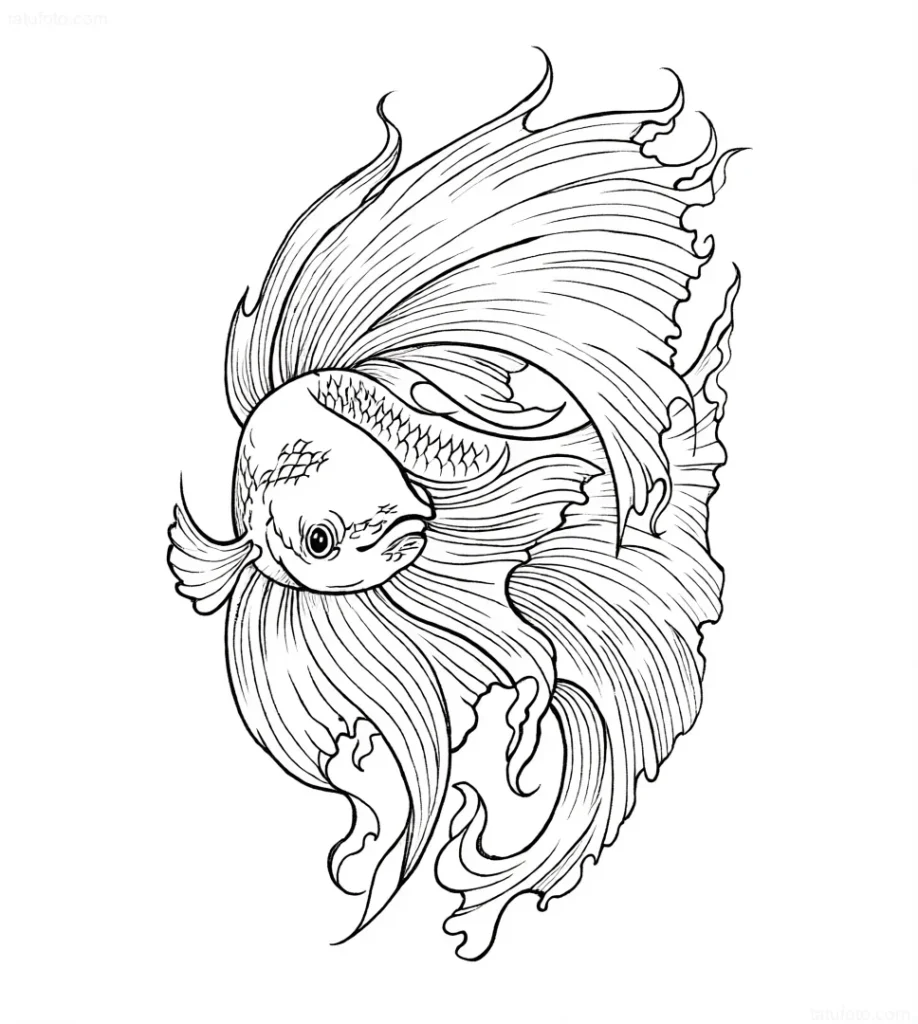


Betta Fish as a Tattoo: General Information on Exotic Beauty
The Betta fish, or fighting fish, originates from Southeast Asia (Thailand, Cambodia, Vietnam) and is known by the scientific name Betta splendens, which literally translates to “beautiful warrior.” This paradox—the combination of beauty and aggression—is the cornerstone of the tattoo’s symbolism.
Key reasons for choosing a Betta fish tattoo:
- Visual Dynamics: Long, flowing fins are ideal for creating dynamic compositions, especially in watercolor or realism styles.
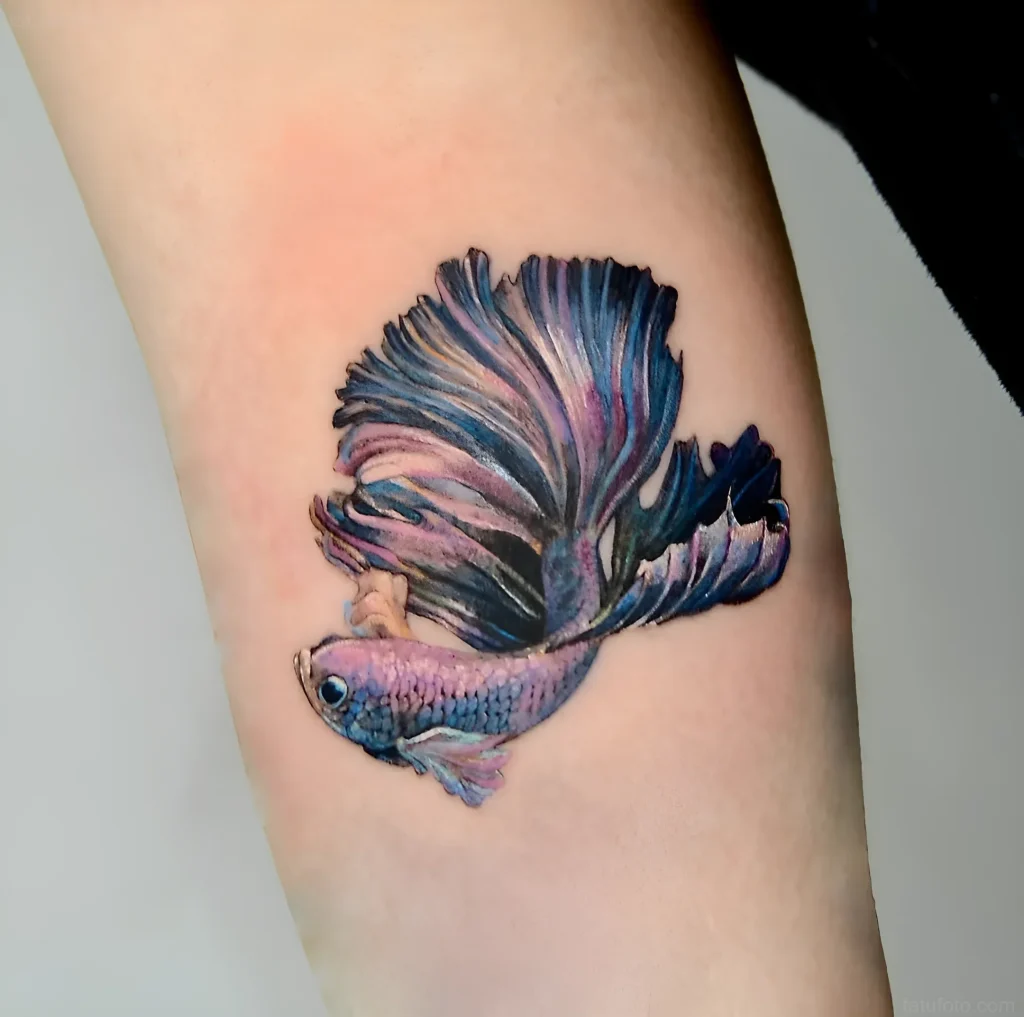
- Color Palette: The ability to use rich blue, red, purple, and turquoise shades makes the tattoo incredibly captivating.
- Complex Symbolism: The Betta fish symbolizes not just one quality, but a contradictory combination of them, allowing the wearer to imbue the image with deep personal meaning.
The History of Betta Fish Symbolism in World Cultures
The symbolism of the Betta fish is rooted in the culture of its homeland – Thailand (Siam). Initially, these fish were bred not so much for aquariums as for fights, which led to the formation of their key meaning.
Siamese Context: Courage and Aggression
In Siam (modern Thailand), fish fights were a popular entertainment, similar to cockfighting. This cemented the Betta fish’s reputation as a symbol of:
- Indomitability: The fish will fight to the last, even against a stronger opponent.
- Aggressive Defense: Readiness to defend its territory and independence.
- Fighting Spirit (Muay Thai Spirit): In the context of Thai culture, where perseverance and discipline in combat are valued, the Betta fish can serve as a talisman for fighters or individuals going through serious life challenges.



Modern Western Symbolism: Beauty and Solitude
In Western culture, where the Betta fish is known as an aquarium inhabitant, its symbolism has acquired additional, more introverted nuances:
- Unique Beauty: A symbol of individuality, a bright personality that stands out from the crowd.
- Solitude and Self-Sufficiency: Since Betta fish cannot live together in the same aquarium (they will kill each other), they have become a symbol of a strong personality who prefers solitude to maintain their integrity and uniqueness.
- Elegance and Flow: In tattoos, the emphasis is often on the fins, symbolizing grace, movement, and the ability to adapt to the flow of life while maintaining one’s form.
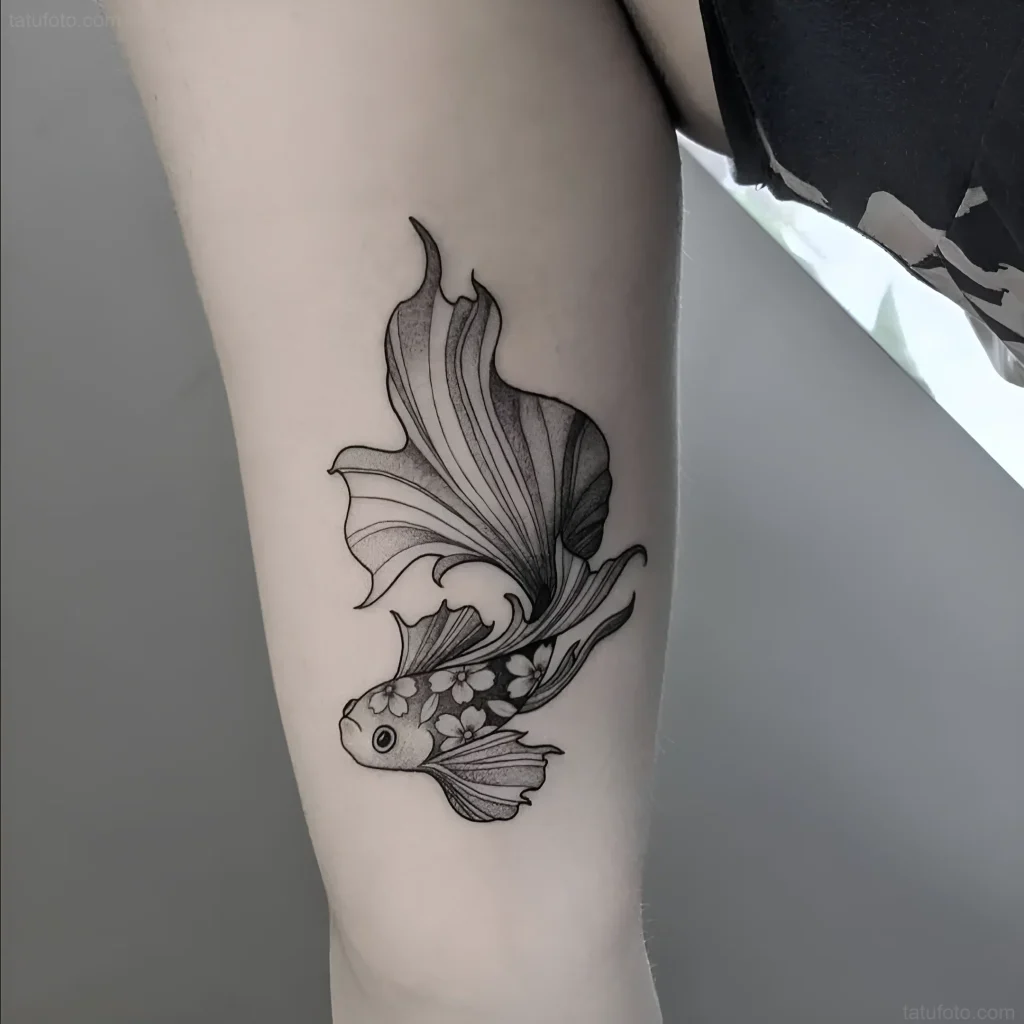
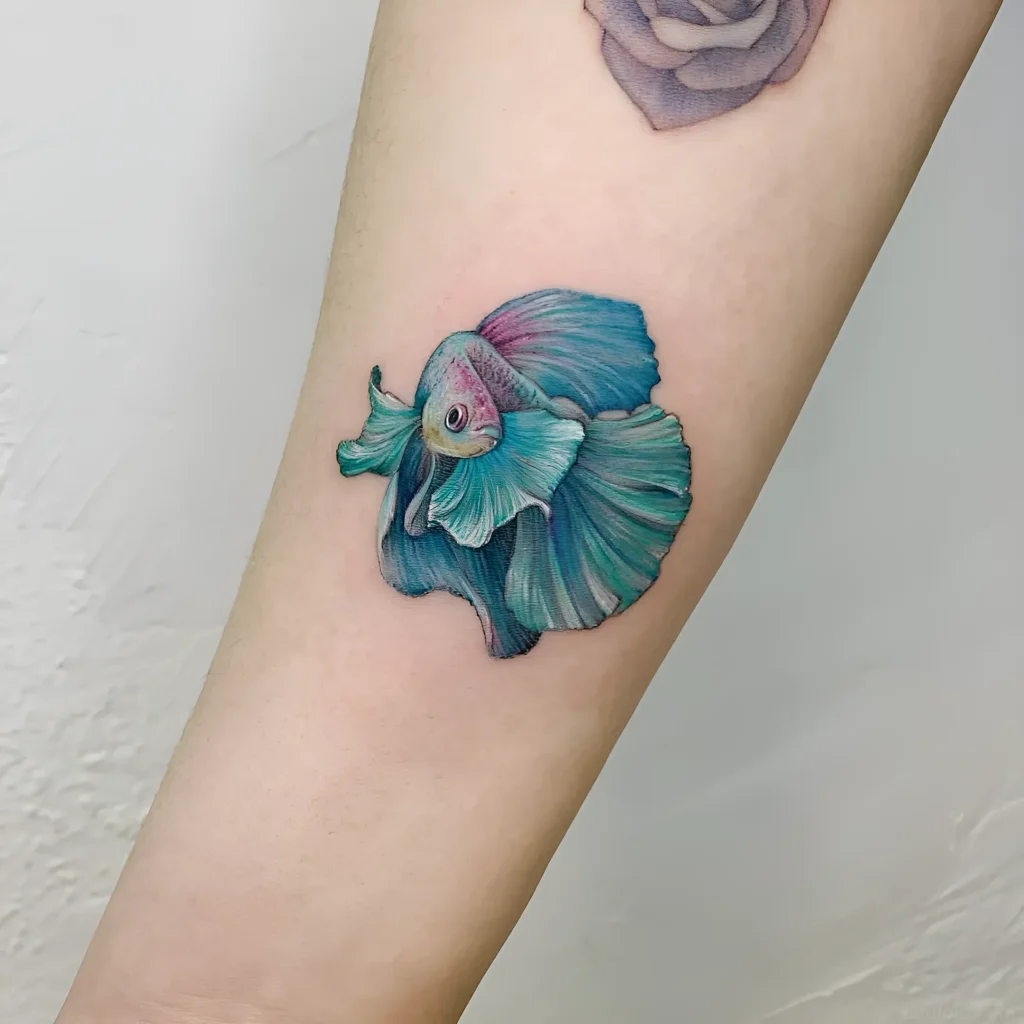
Meaning of a Betta Fish Tattoo: From Strength and Courage to Calmness and Beauty
A Betta fish tattoo is a multifaceted image that can encompass several contradictory meanings. The choice of a specific meaning depends on how the fish is depicted and what elements are added to the composition.
1. Symbol of Strength and Determination
This is the most direct meaning, associated with the fighting nature of Betta splendens. If the Betta fish is depicted with flared gill covers (in an aggressive state) and tense fins, it emphasizes:
- Unbreakability: The ability to withstand difficulties and not give up.
- Warrior Spirit: Readiness to fight for one’s beliefs or goals.
- Territoriality: Defense of one’s boundaries, family, or personal space.
2. Aesthetics and Refined Beauty
If the emphasis is on long, flowing fins, vibrant colors, and graceful movement, the Betta fish tattoo becomes a symbol of:
- Uniqueness and Individuality: Recognition of one’s own unique, sometimes even provocative, beauty.
- Elegance: Striving for grace and harmony in life.
- Inner Richness: A bright appearance reflects a person’s complex and rich inner world.
3. Duality and Emotional Control
The dual nature of the Betta fish (beauty + aggression) makes it an ideal symbol for people who are learning to control their strong emotions or have undergone transformation.
Specific Semantic Combinations:
- Hidden Strength: External calmness concealing immense potential or the capacity for fierce reaction when necessary.
- Balance: An attempt to find harmony between inner passion (aggression) and external grace (calmness).
- Transformation: If the fish is depicted in a moment of “transition” or color change, it can symbolize personal development, overcoming difficulties, and acquiring a new, stronger form.
4. Independence and Self-Sufficiency
Since Betta fish are solitary creatures, the tattoo is often chosen by those who value their independence and do not need constant approval or company. It is a symbol of a strong, self-sufficient spirit capable of thriving alone.
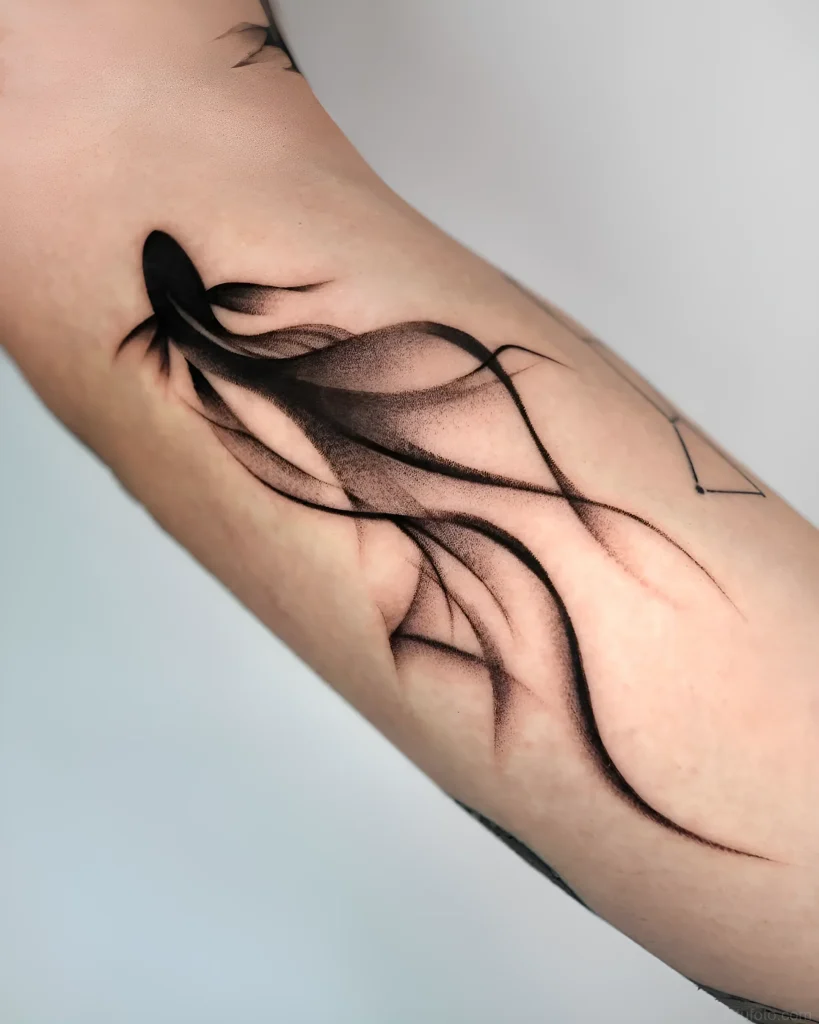
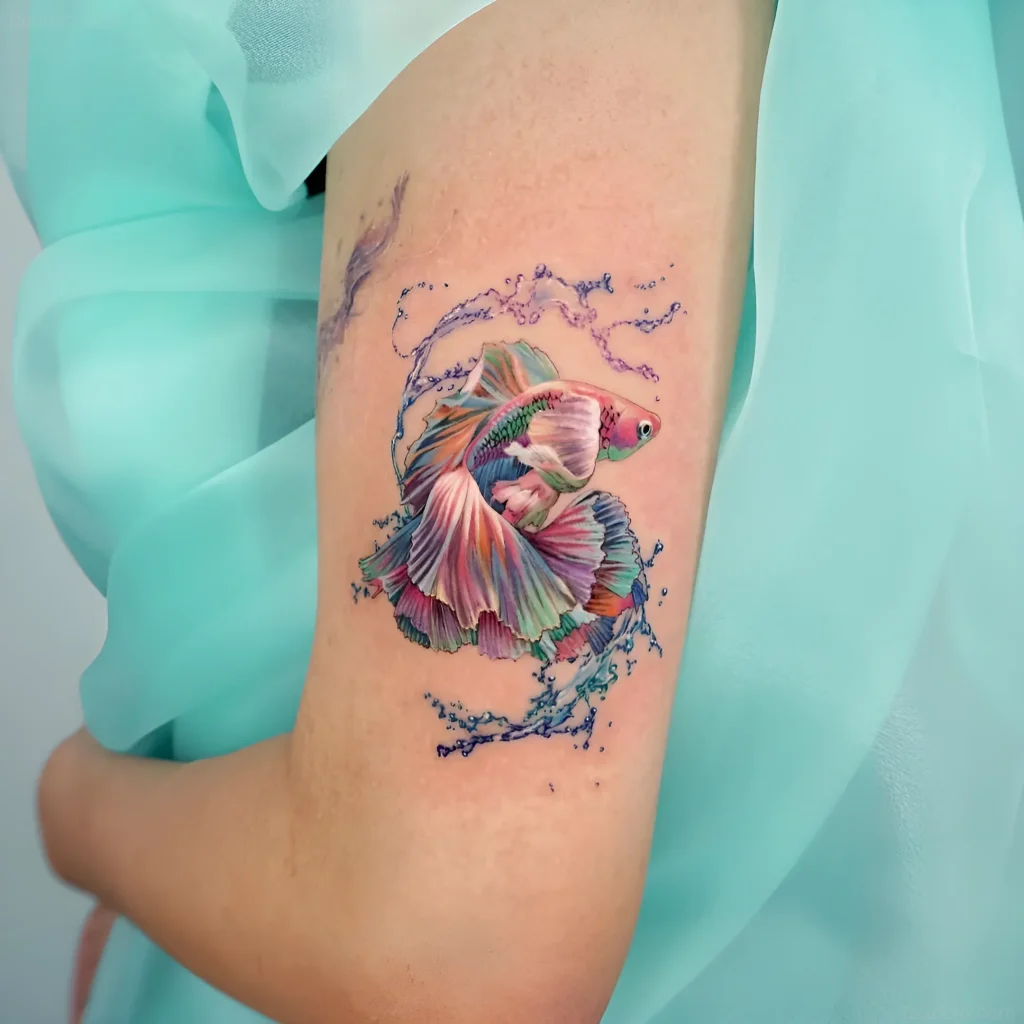
Betta Fish Tattoo Styles: Choosing the Perfect Embodiment
The choice of execution style is critical, as it enhances or softens the primary meaning of the Betta fish tattoo. We will explore the most popular and effective styles for this subject.
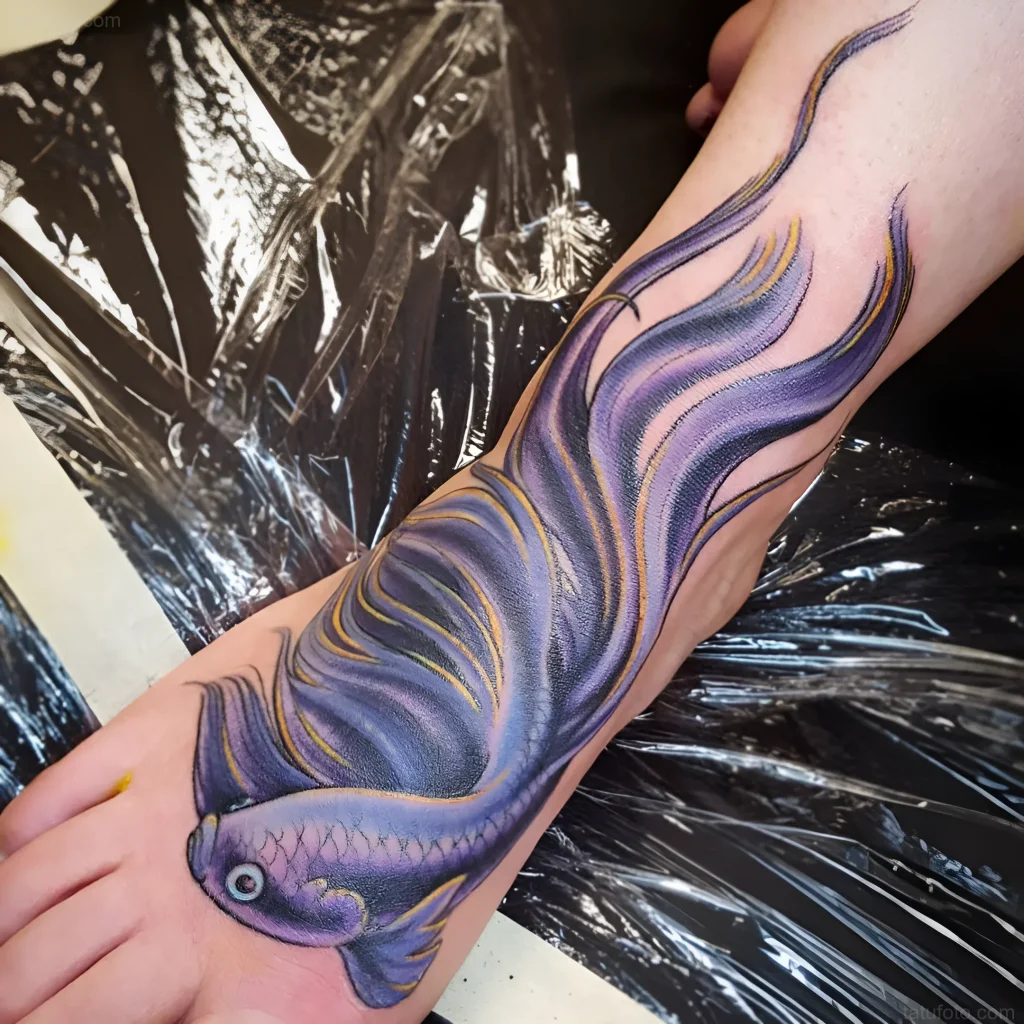
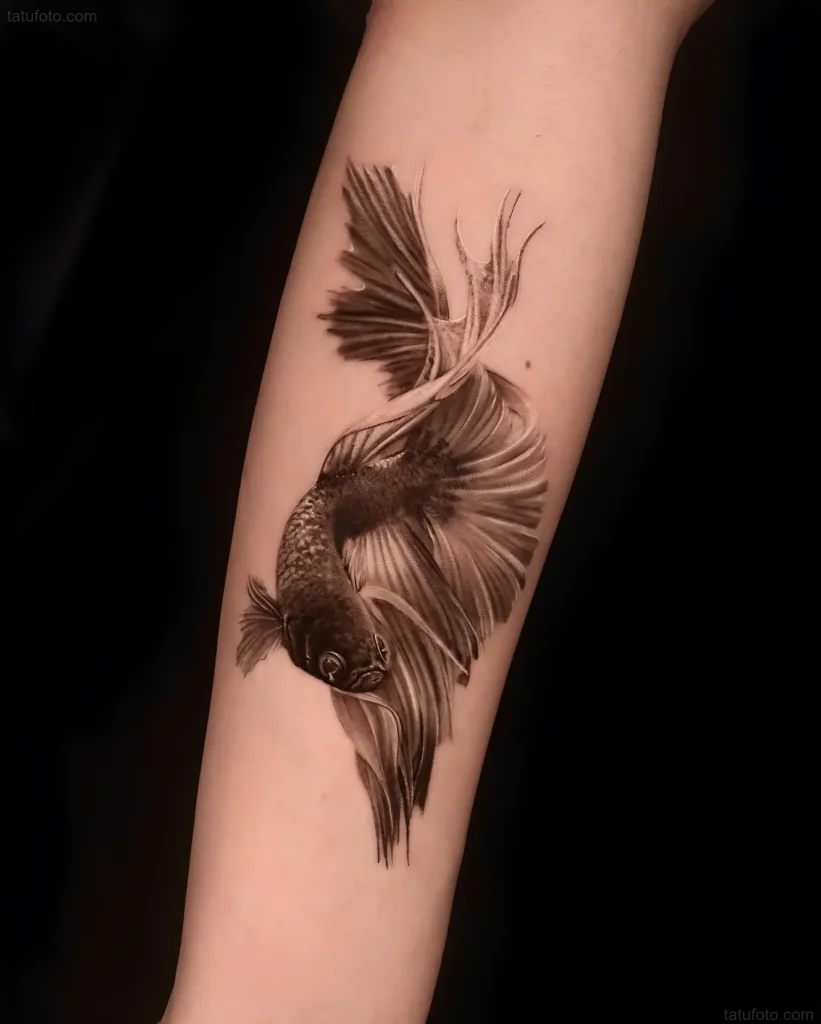
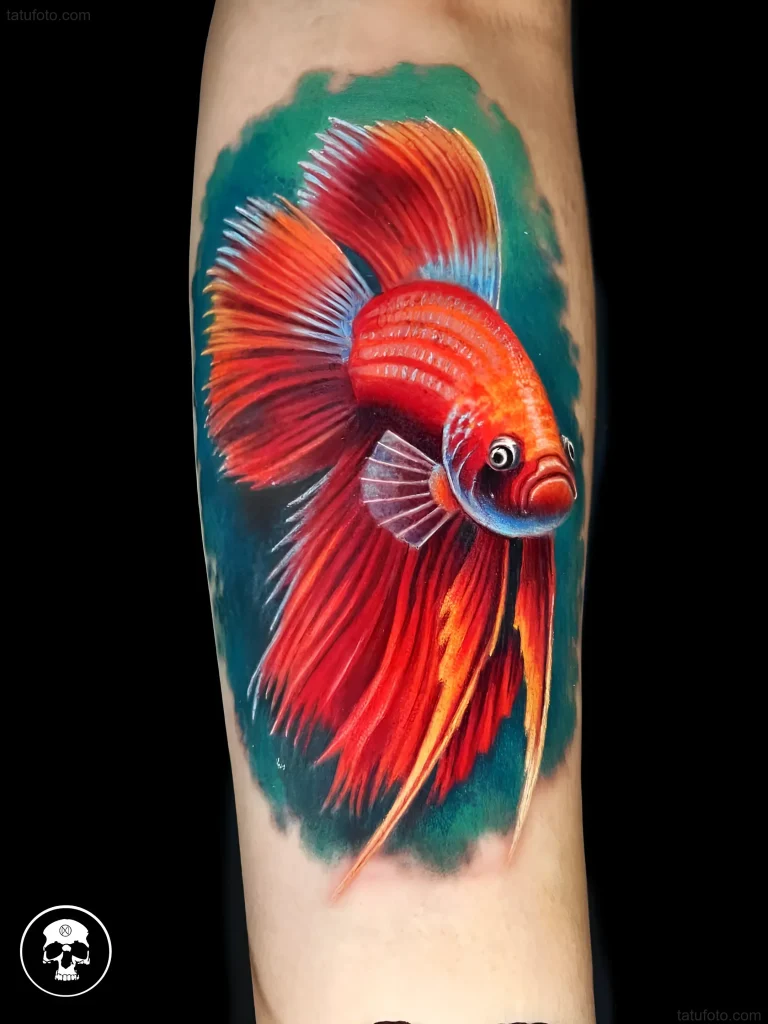
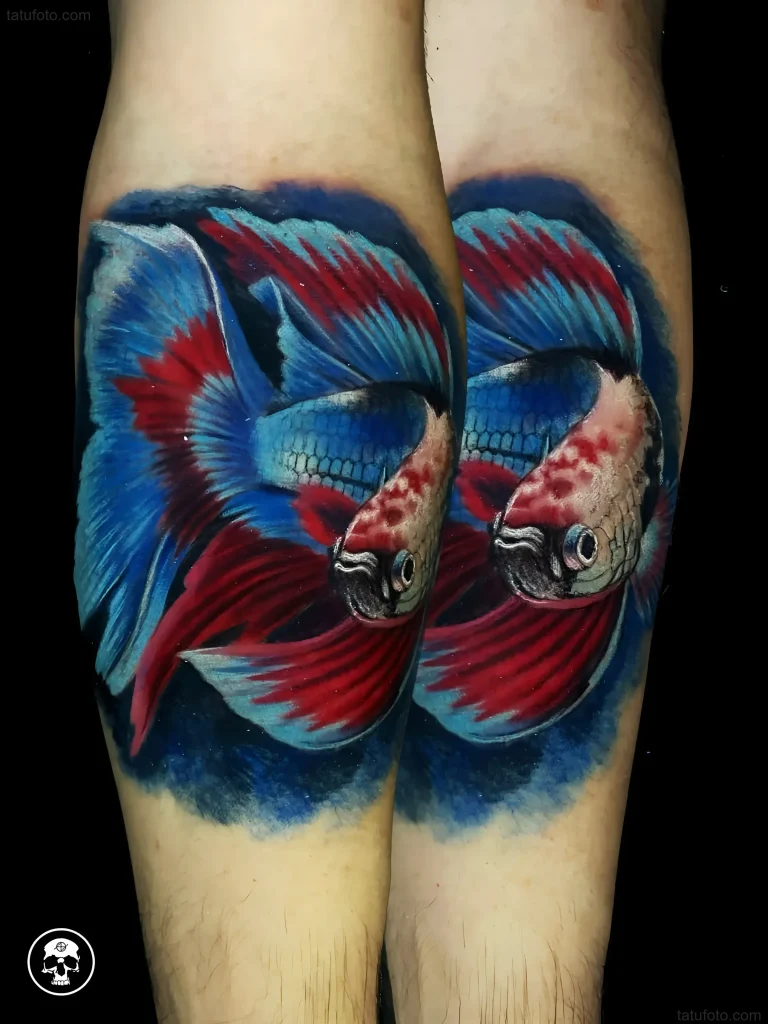
1. Realism and Photorealism
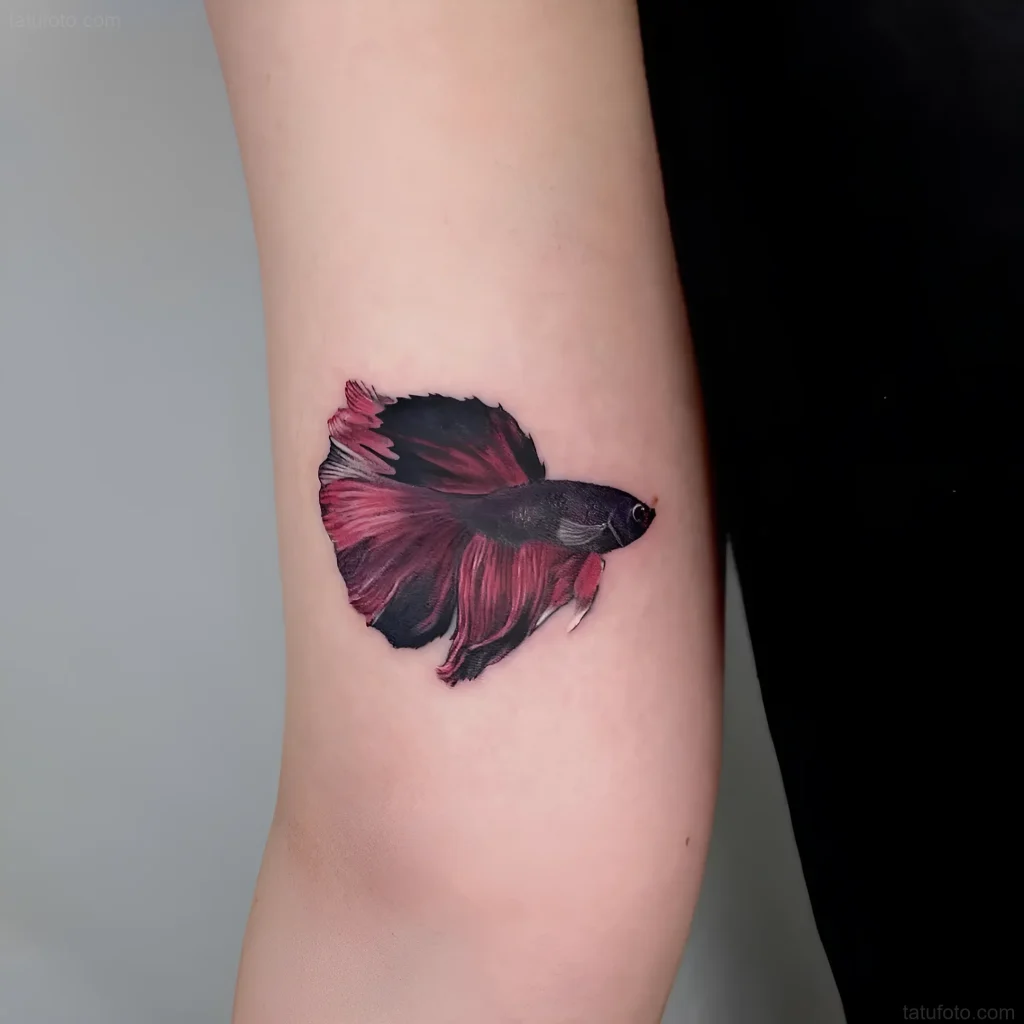
What it emphasizes: Detail, fin texture, color saturation, and consequently, the incredible beauty and natural grace of the fish.
- Symbolism: Ideal for those who want to emphasize the aesthetic aspect, elegance, and uniqueness. Technically complex, this style requires high skill to convey the effect of “flowing” water and the shimmer of scales.
- Features: Bright, deep colors are often used (aquamarine, indigo, carmine).
2. Watercolor
What it emphasizes: Dynamics, movement, the element of water, and emotional content.
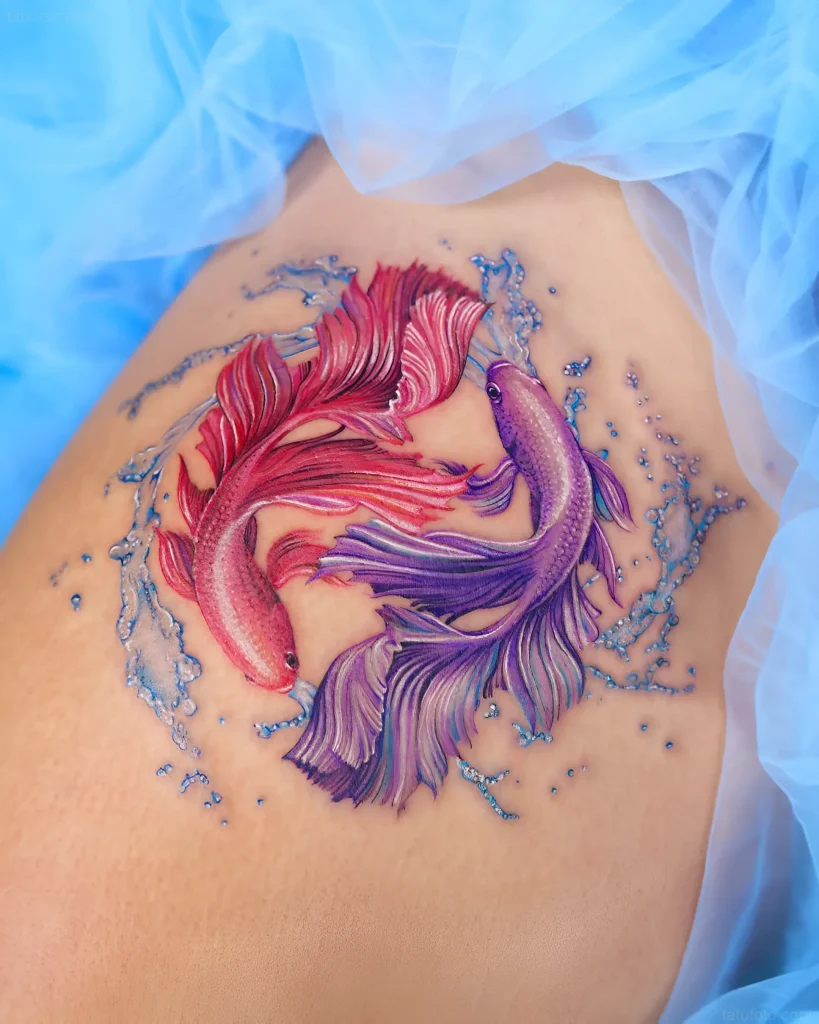
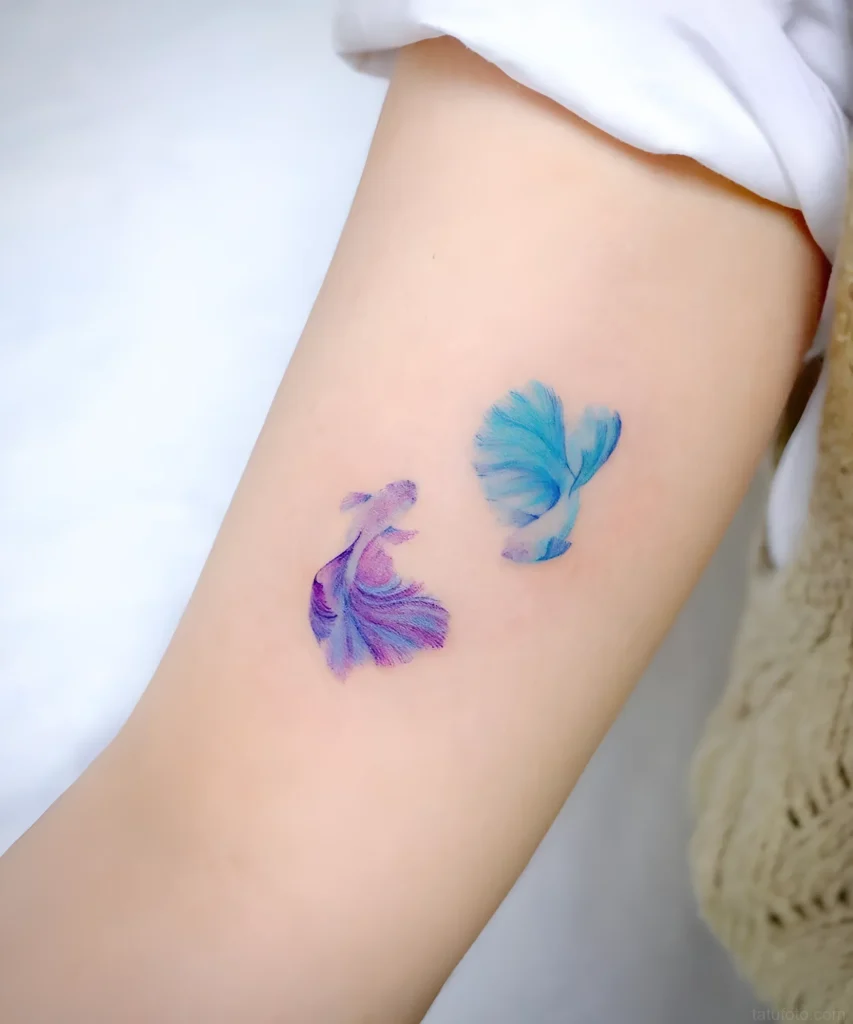
- Symbolism: The watercolor style perfectly conveys a sense of flow, freedom, and unpredictability. Blurred contours and color splashes can symbolize emotional depth, creativity, and a connection to the water element.
- Features: Often used to depict the Betta fish in motion, where the fins appear as dissolving clouds of color.
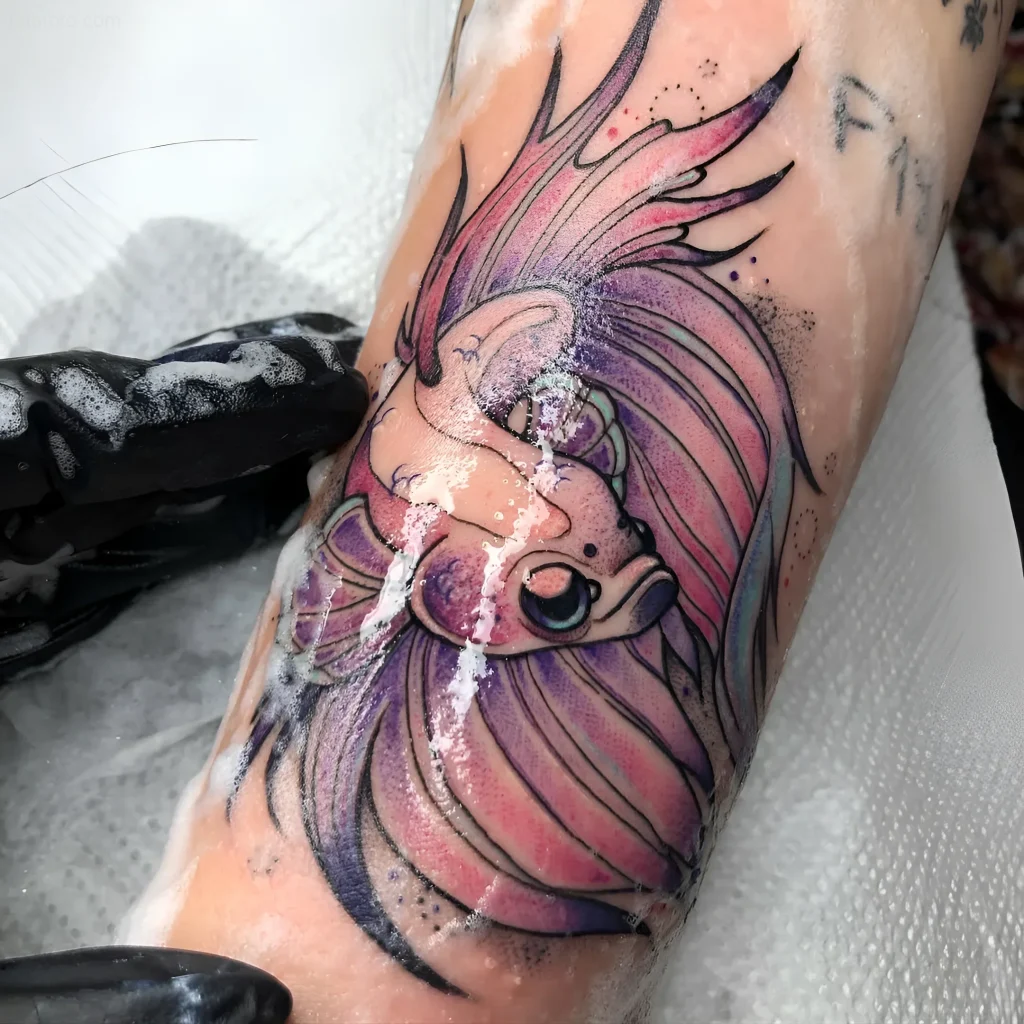
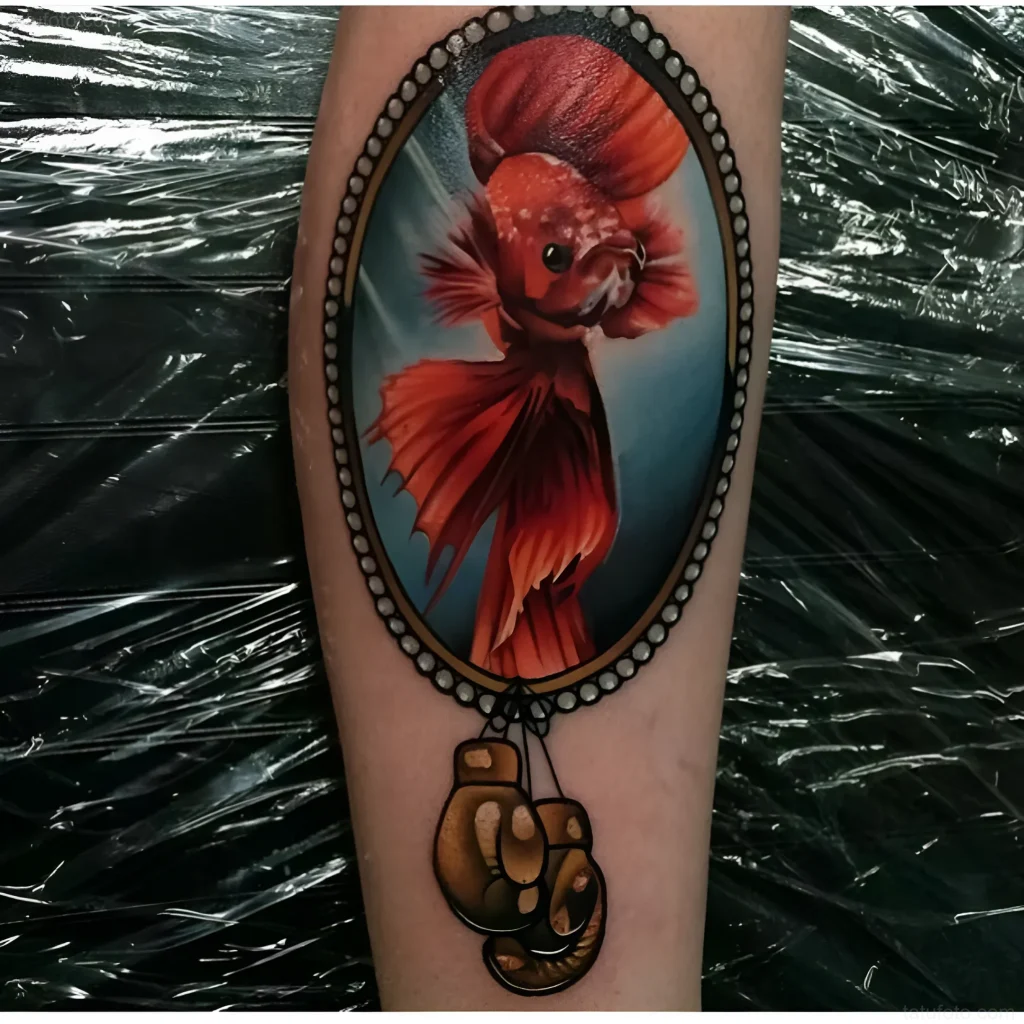
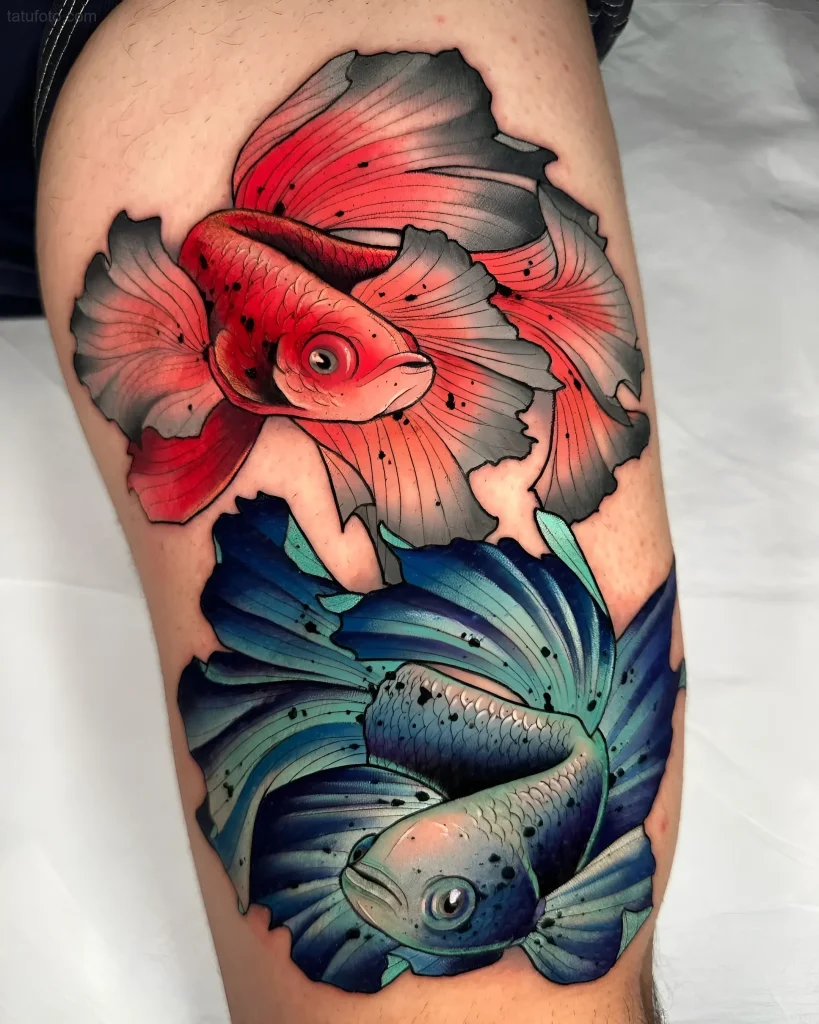
3. Neo-Traditional
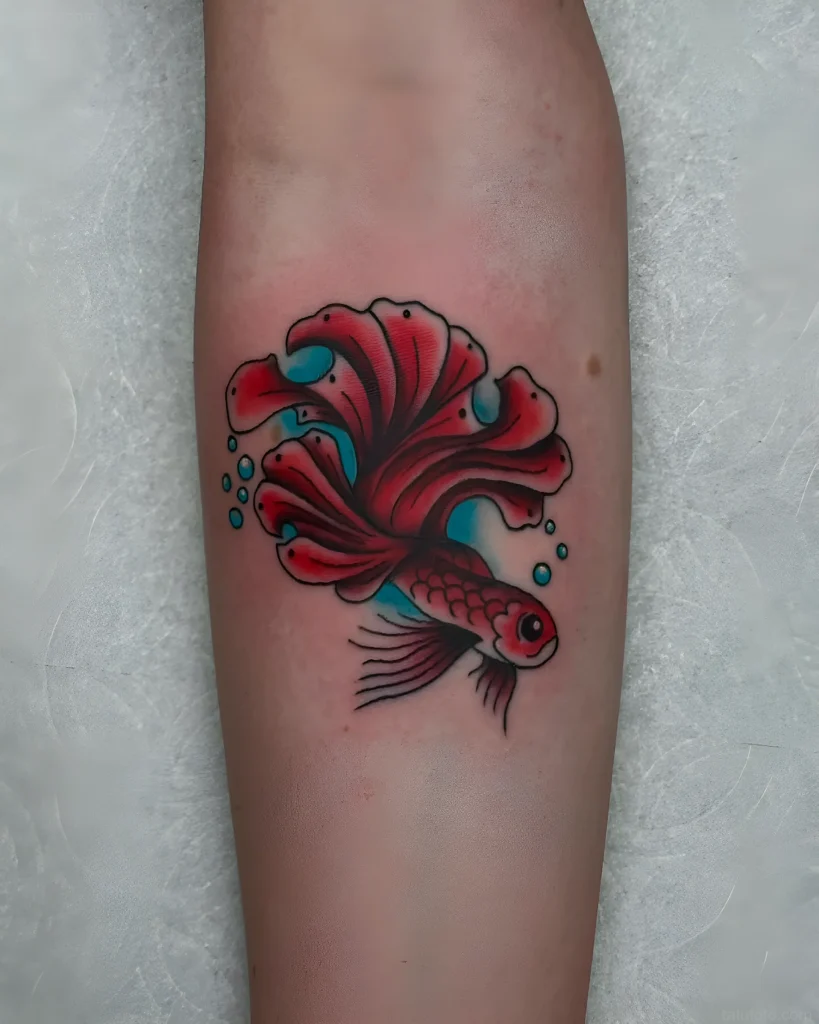
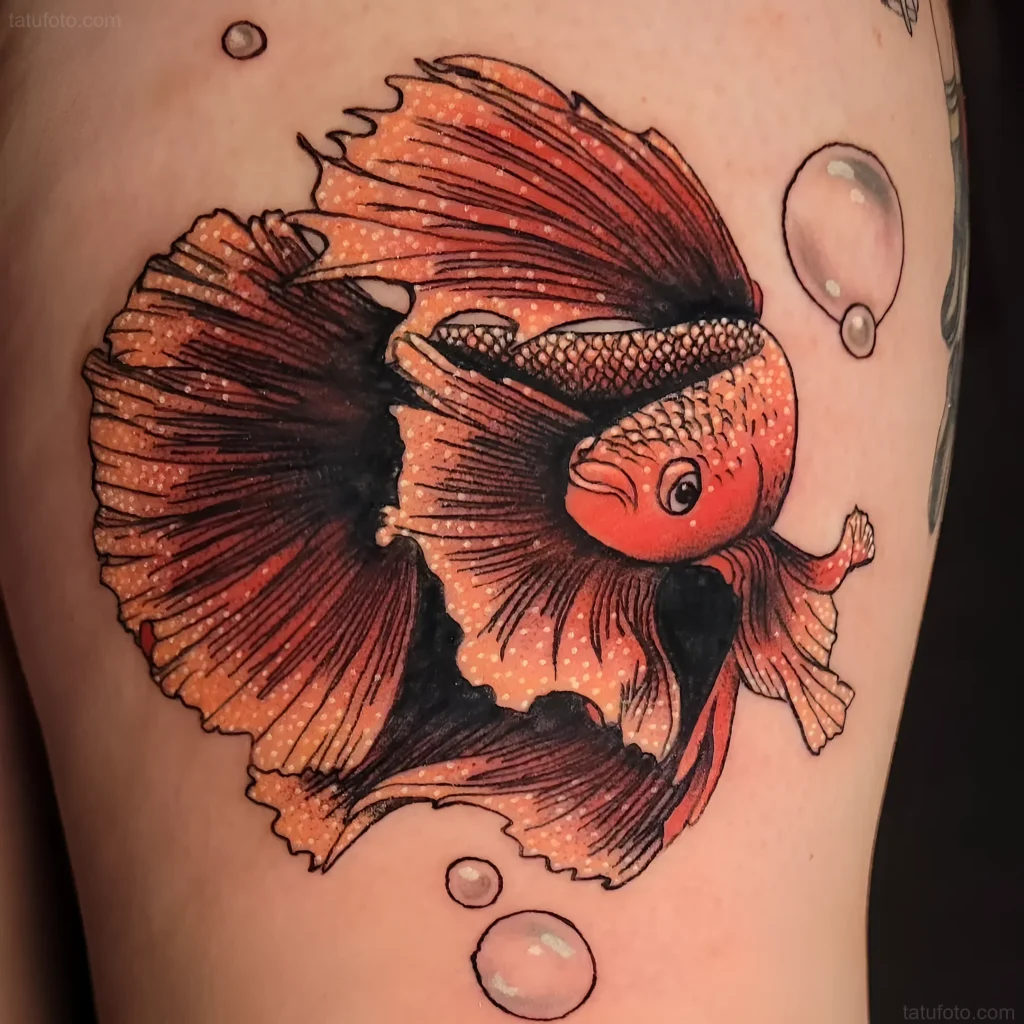
What it emphasizes: Clear outlines, rich colors, and a classic compositional structure. It allows for elegant combinations of the Betta fish with other symbols (e.g., lotus flowers or waves).
- Symbolism: This style lends the Betta fish image a sense of majesty and timelessness. Clear lines emphasize strength and determination, while the rich palette preserves its exotic beauty.
- Features: Ideal for creating large, long-lasting tattoos on arms or thighs.
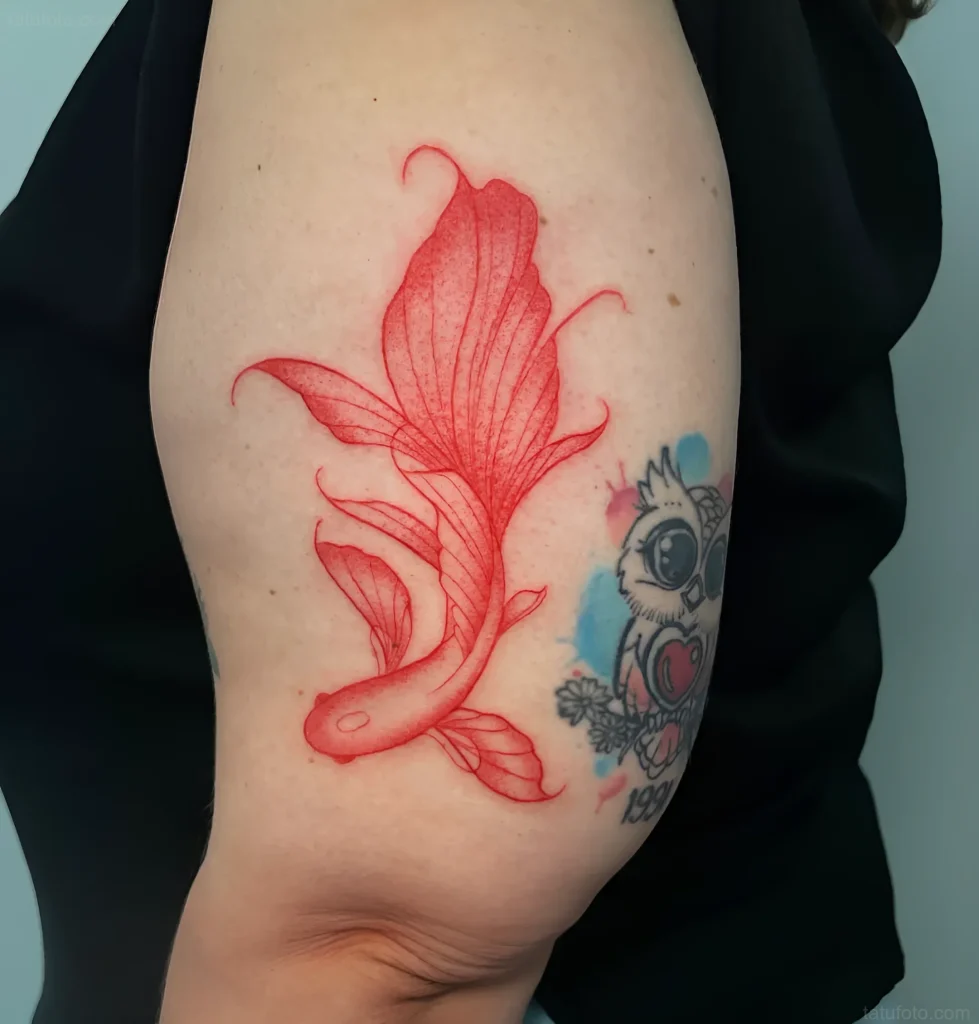
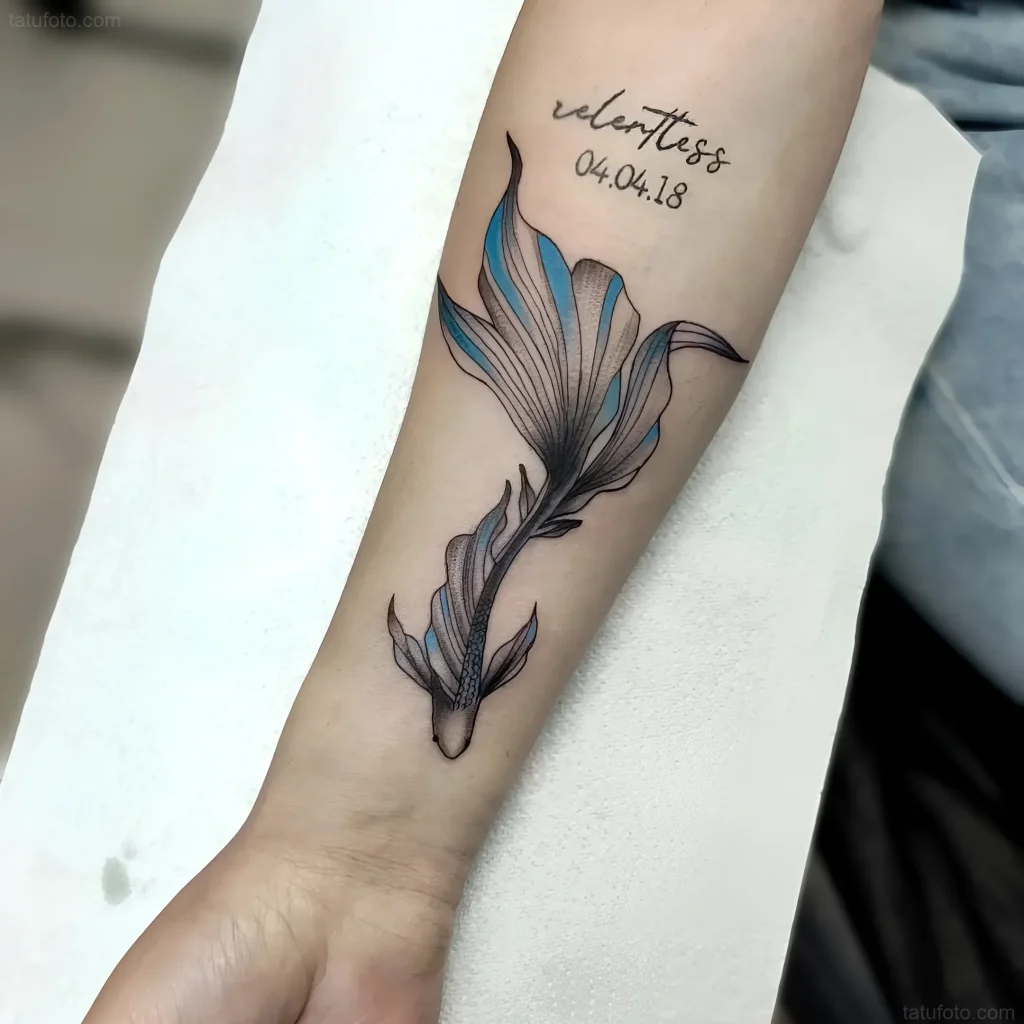
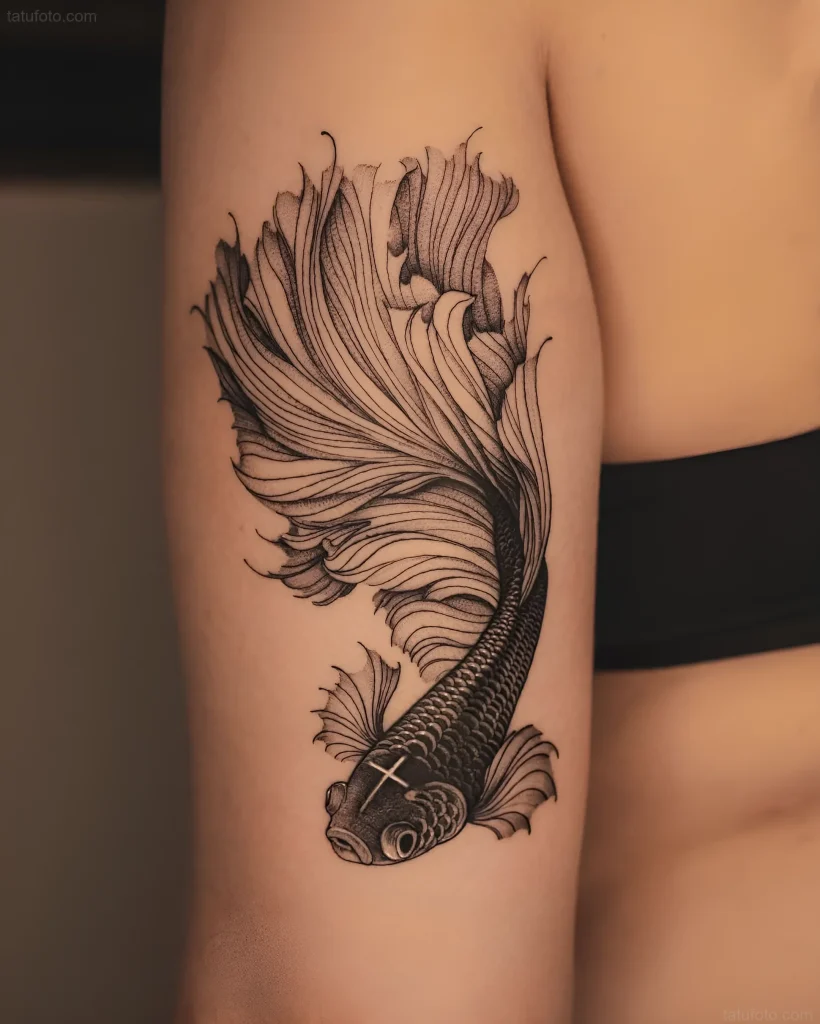
4. Blackwork/Linework
What it emphasizes: Form, aggression, contrast, and graphic quality.
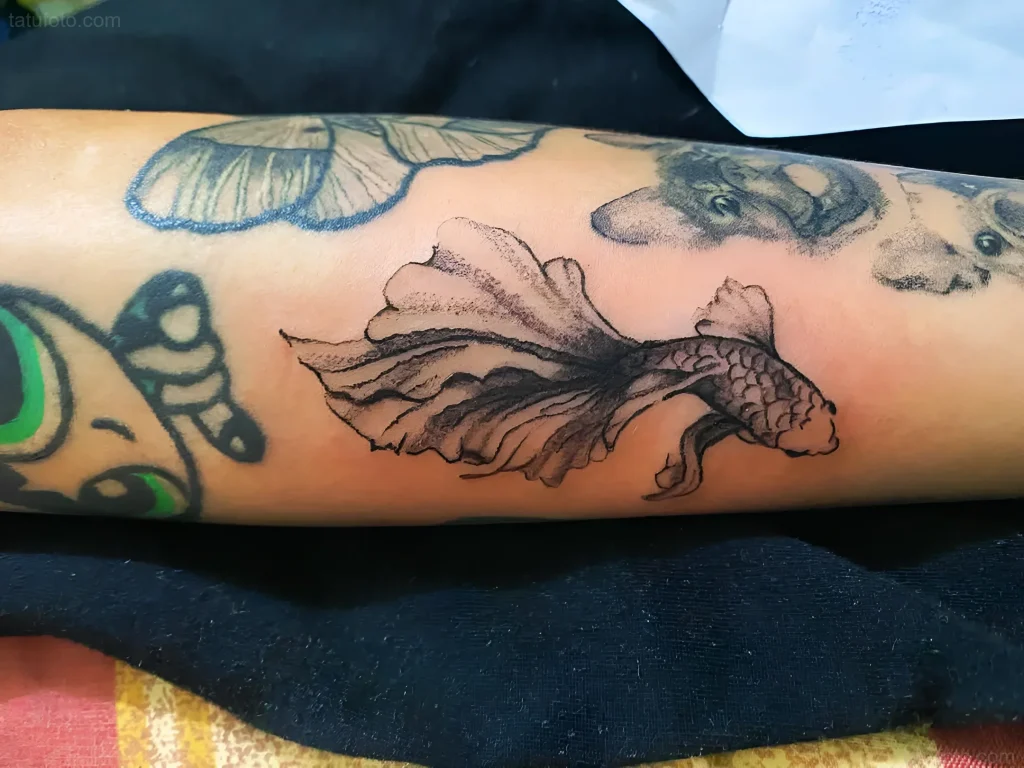
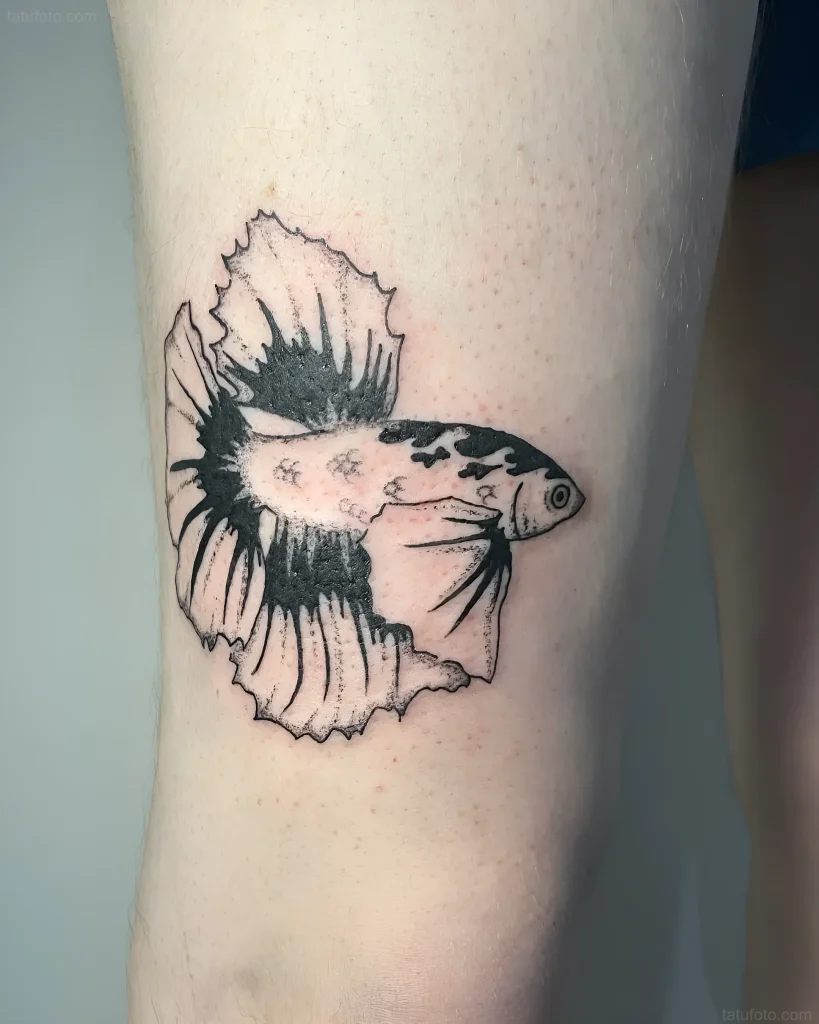
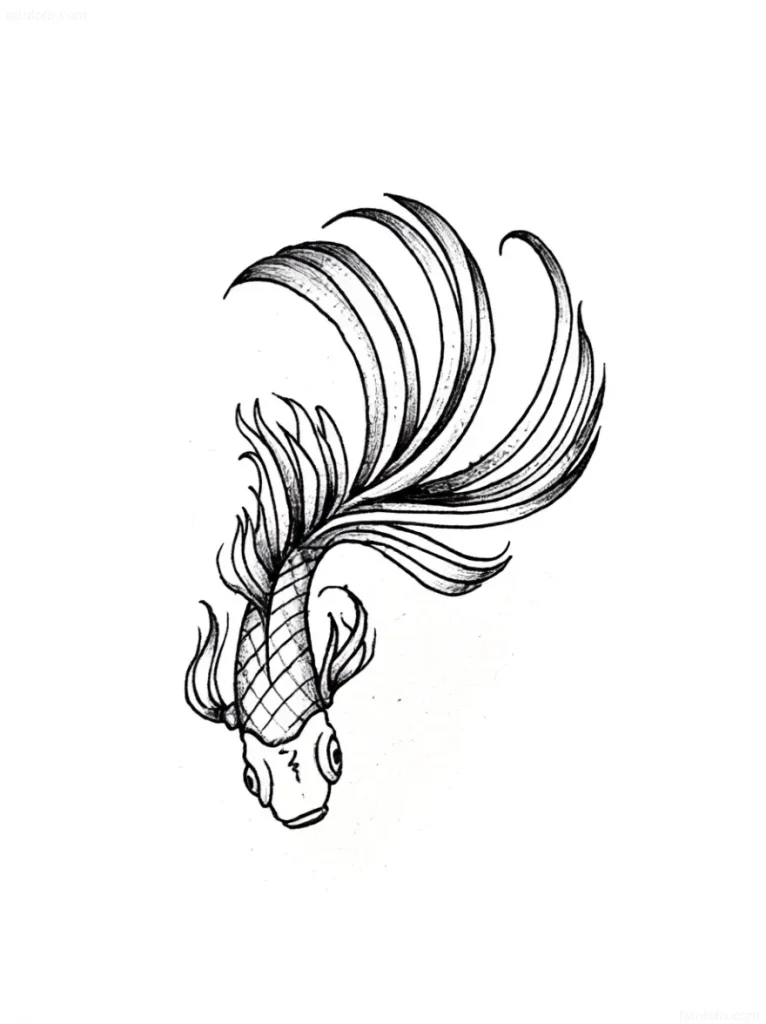
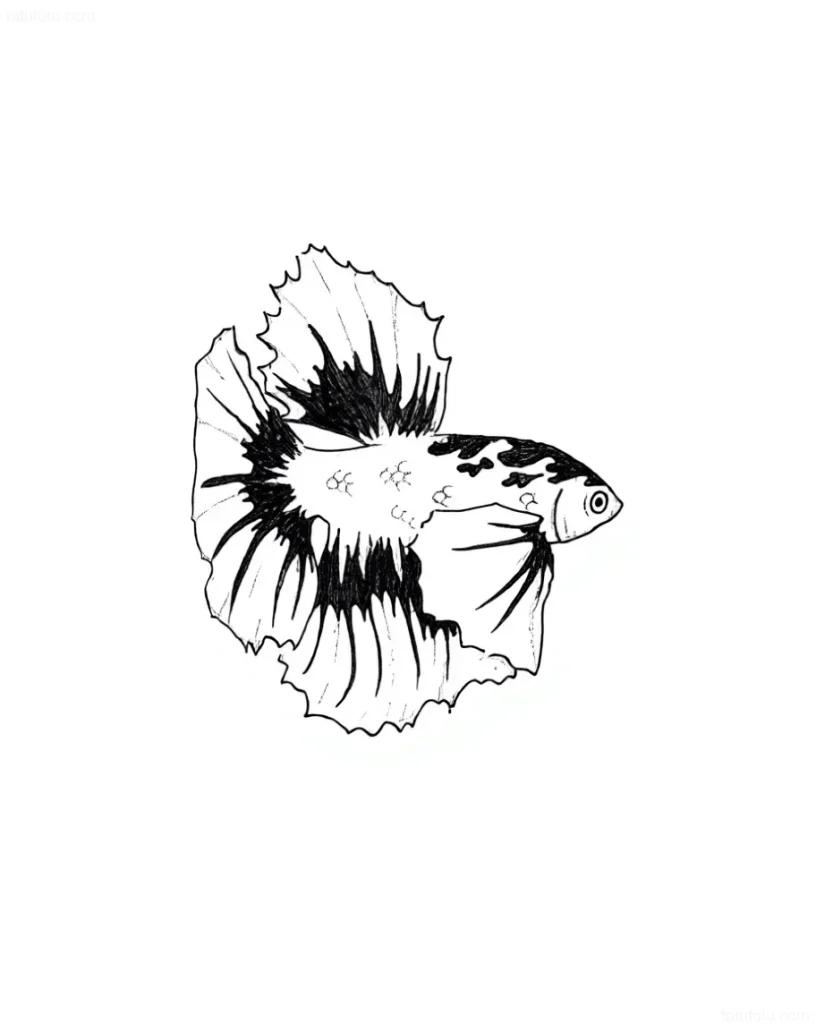
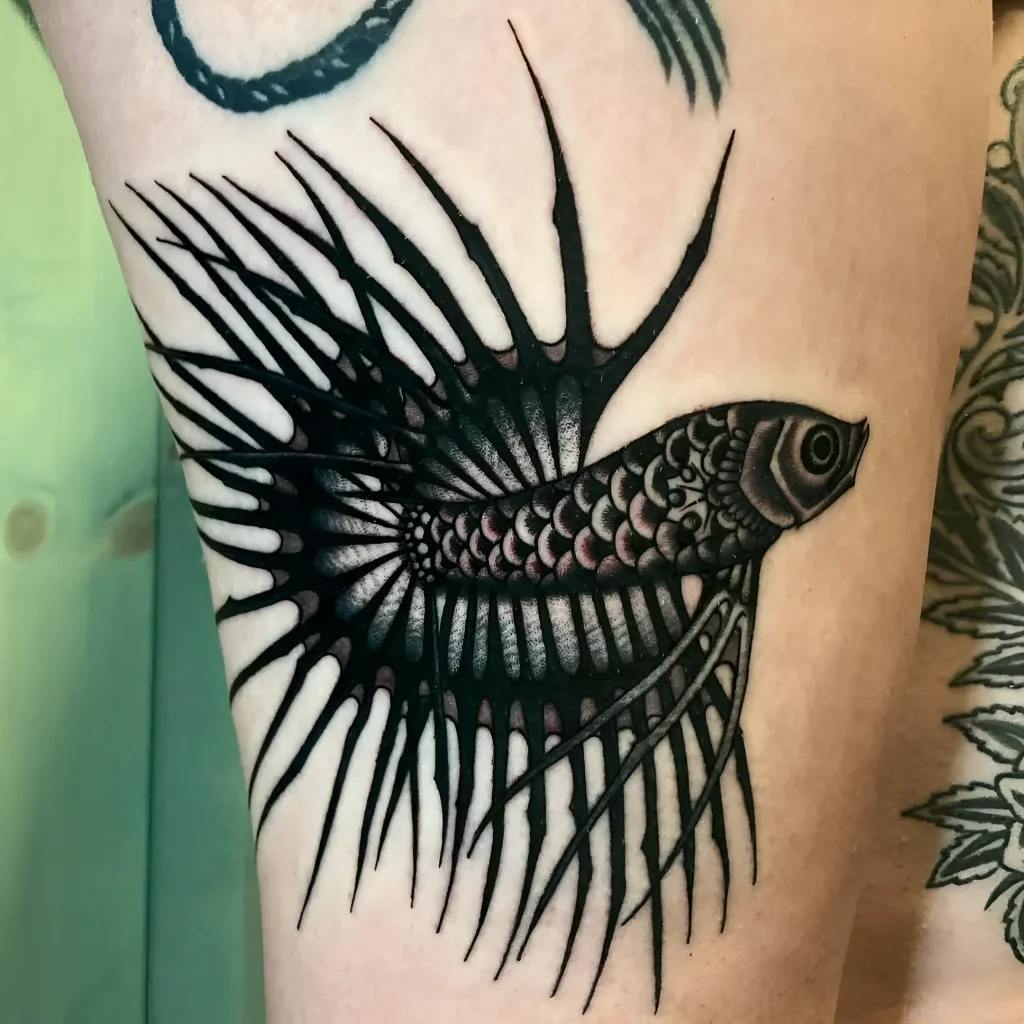
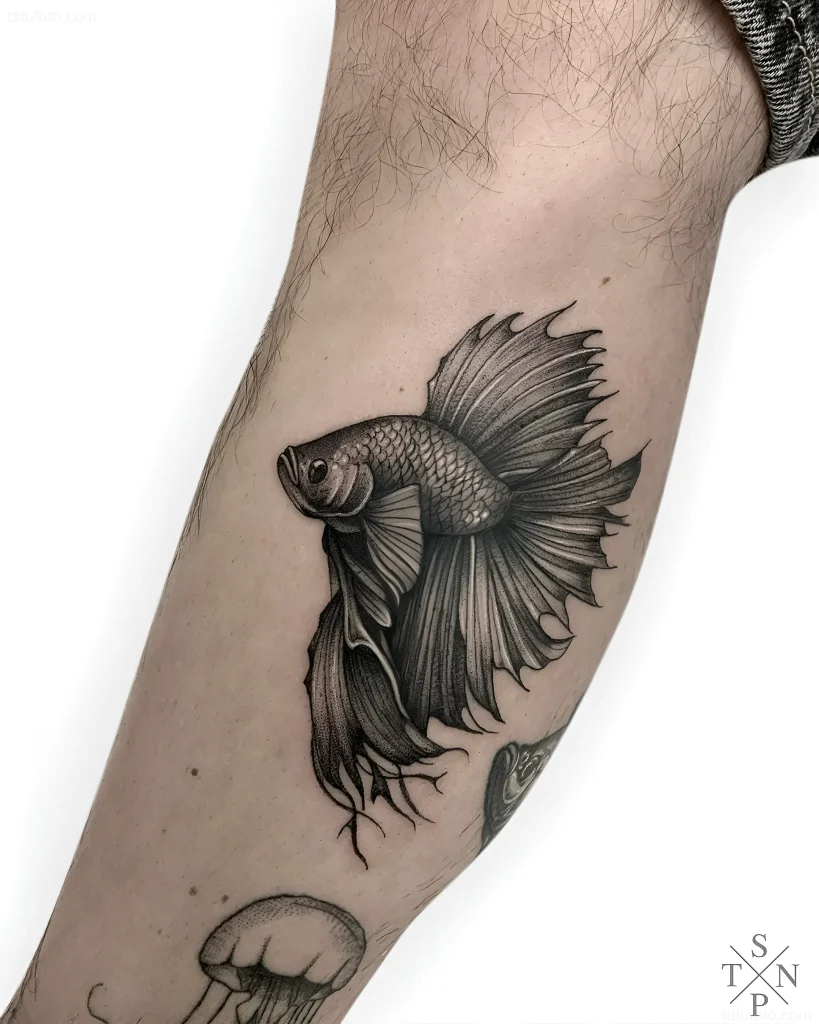
- Symbolism: Depicting the Betta fish in monochrome (especially in Blackwork using dotwork or geometric elements) focuses on its fighting side, internal structure, and strength of character. Here, beauty gives way to power and clarity.
- Features: Often used for minimalist or geometric compositions symbolizing control and discipline.
Where to Best Place a Betta Fish Tattoo on the Body: Popular and Original Options
The placement of a Betta fish tattoo should consider its shape – long, flowing fins require space to showcase dynamics and flow.
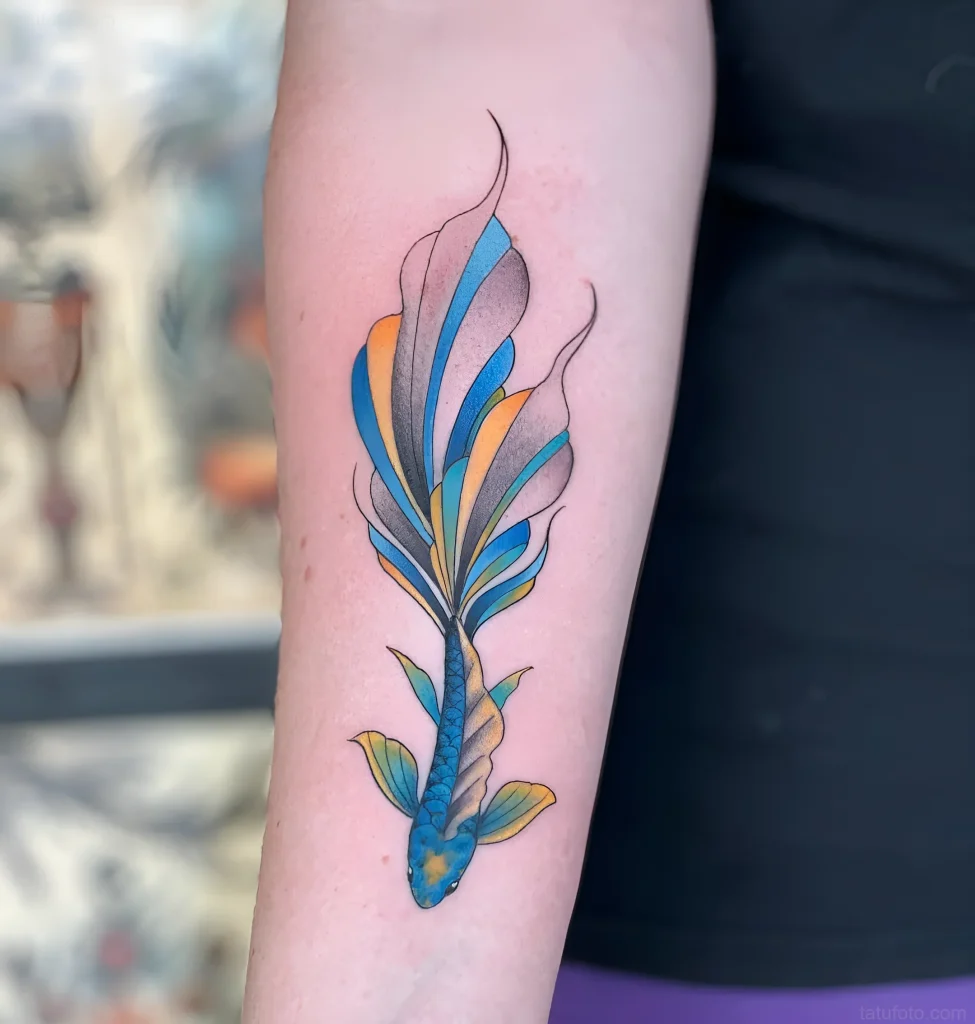
1. Forearm and Sleeve
Why it’s suitable: Ideal for vertical or diagonal compositions. The fins can “flow” around the arm’s shape, creating a sense of movement. A sleeve allows for developing the narrative by adding water elements or vegetation.
Meaning: High visibility emphasizes pride in one’s independence and strength.
2. Thigh and Calf
Why it’s suitable: Provides a large, flat canvas necessary for detailed realism or watercolor. Ideal for large, vibrant pieces.
Meaning: A more personal choice. A thigh tattoo often symbolizes personal strength, hidden from prying eyes, or inner beauty.
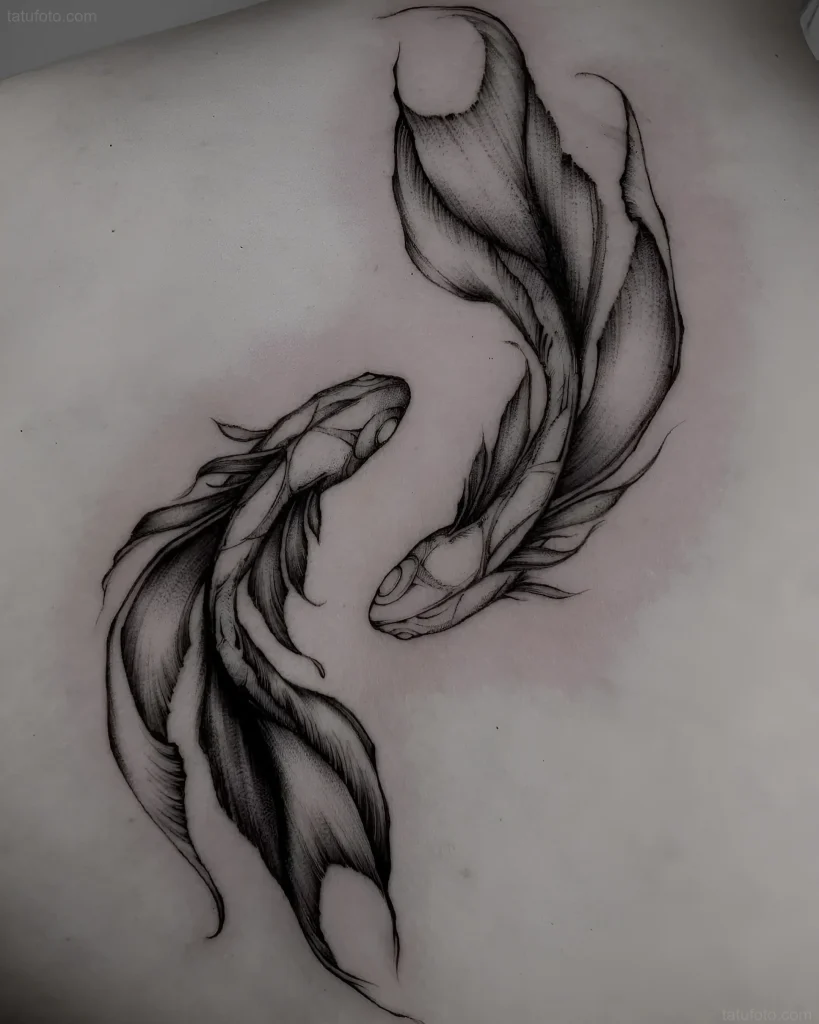
3. Back (Shoulder Blade or Lower Back)
Why it’s suitable: Allows for the creation of the most dynamic full-body or in-motion image of the Betta fish. On the shoulder blade, the fish can be depicted as “swimming” upwards or forwards.
Meaning: The back is often associated with protection, so a Betta fish here can symbolize the protection of personal boundaries and steadfastness.
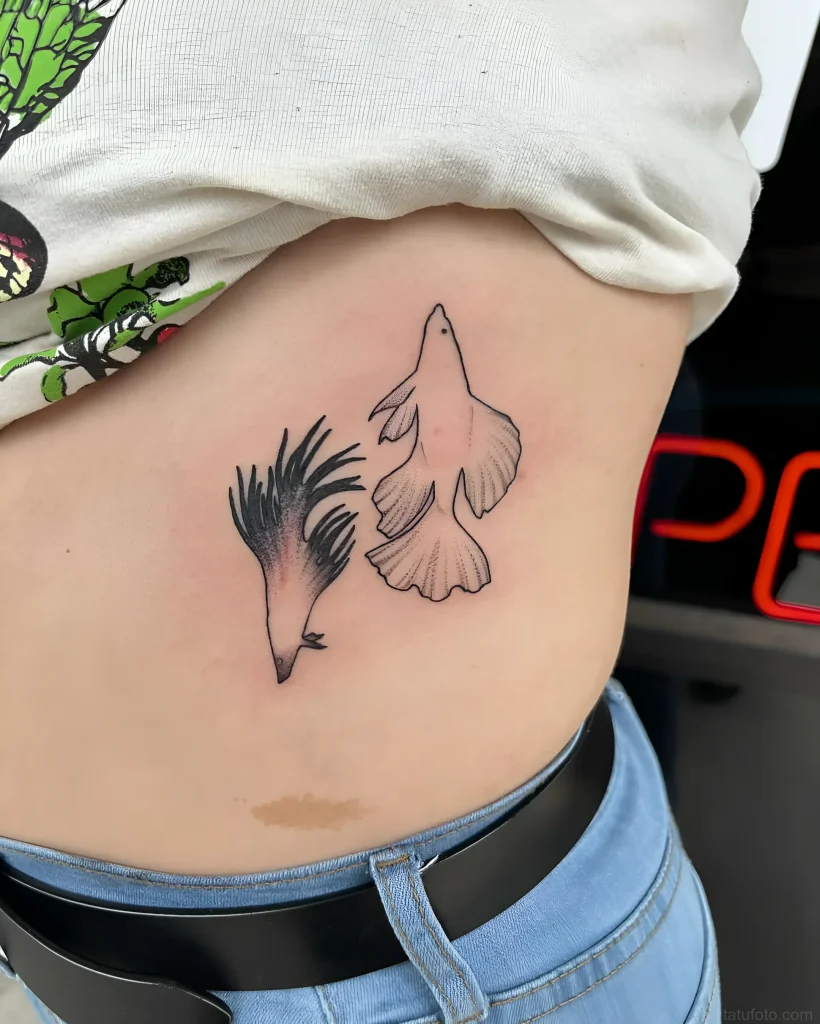
4. Chest and Ribs
Why it’s suitable: A tattoo on the ribs or under the chest follows the natural curves of the body, enhancing the feeling of flow. This location is ideal for delicate, elongated compositions.
Meaning: Proximity to the heart makes the tattoo a symbol of deep personal values, passion, and emotional strength.
Tips for Betta Fish Tattoo Care and Choosing an Artist
A Betta fish tattoo, especially one done in realism or watercolor with a lot of color, requires a special approach both during planning and healing.
Choosing an Artist: Look for an Expert in Color and Detail
Since all the beauty of the Betta fish lies in its fins, color transitions, and realism, you need an artist who specializes in:
- Color Realism: If you’ve chosen a photorealistic style, ensure the artist’s portfolio includes works that capture glossy shine and deep gradients.
- Watercolor: For watercolor works, the artist should be able to work with “blurry” contours and create the effect of ink spreading without losing the overall shape of the fish.
- Understanding Movement: The artist should be able to place the image so that the Betta fish’s fins harmoniously follow the anatomy of your body.
Care for a Color Tattoo
The vibrant colors characteristic of the Betta fish (red, blue, purple) require more careful care than black or grey pigments:
- Sun Protection: UV rays are the main enemy of color tattoos. Use sunscreen with a high SPF (at least 50) whenever the tattoo is exposed. Blue and red shades fade faster.
- Moisturizing: Regular skin moisturizing helps maintain pigment brightness and prevents fading.
- Timely Touch-ups: After a few years, bright colors may require touch-ups, especially if the tattoo is located on frequently bending areas (e.g., elbow or knee).
Frequently Asked Questions About Betta Fish Tattoos (FAQ)
1. Is a Betta Fish Tattoo Masculine or Feminine?
A Betta fish tattoo is absolutely universal. Initially, the symbolism of strength and fighting was more masculine, but due to the emphasis on beauty, grace, and complex color transitions, it has become very popular among women. For women, the Betta fish often symbolizes inner strength combined with external elegance; for men, it represents determination, independence, and courage.
2. Can a Betta Fish Be Combined with Other Aquatic Symbols?
Yes, this is extremely popular. The Betta fish is often combined with:
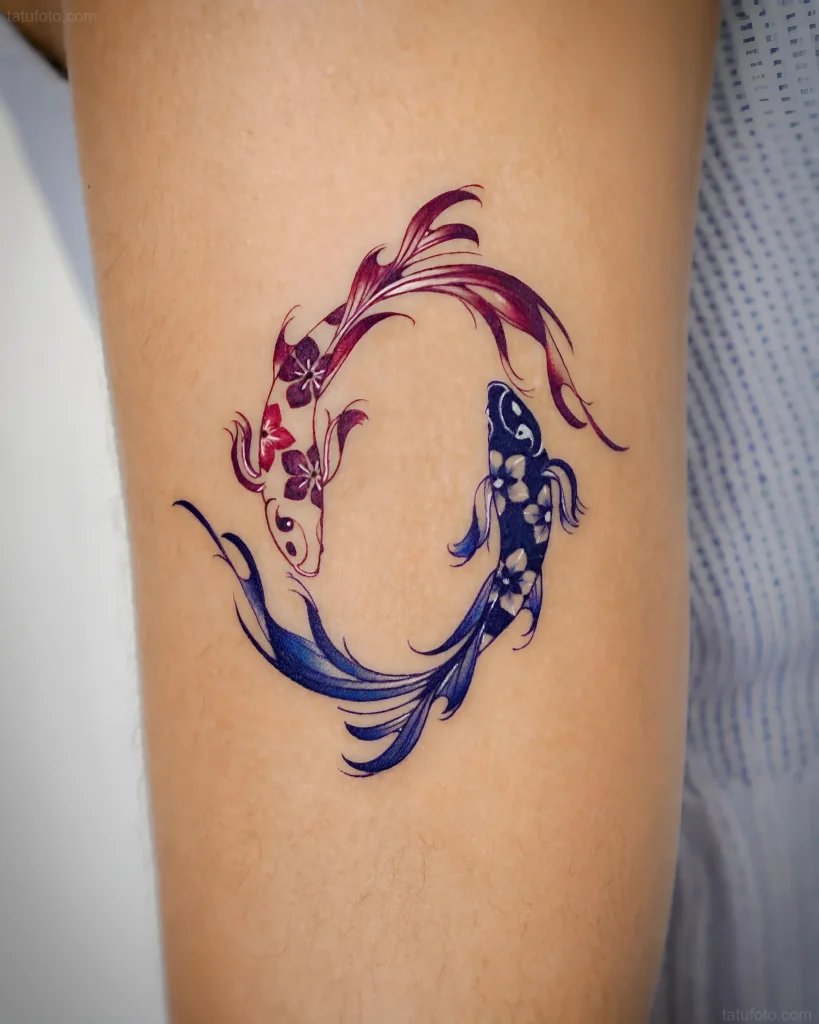
- Lotus Flowers: Symbolize purity and rebirth, softening the aggressive message of the Betta fish.
- Waves or Aquatic Plants: Creates a natural environment and enhances the sense of flow and calmness.
- Geometry: Adding geometric shapes or mandalas can symbolize order and control over the Betta fish’s inner strength.
3. What Does a Red or Blue Betta Fish Mean?
Color enhances specific aspects of the symbolism:
- Red Betta Fish: Emphasizes passion, aggression, energy, strength, and vitality.
- Blue/Turquoise Betta Fish: Symbolizes calmness (water), wisdom, intuition, and nobility. Blue is often associated with depth and mystery.
- Multi-colored Betta Fish: Reflects personality complexity, multifaceted talents, and a rich inner world.
4. Is a Betta Fish Tattoo Necessarily Colored?
No. While color realism is the most popular, a black and grey Betta fish tattoo focuses solely on form, dynamics, and contrast. In this case, the symbolism of strength, struggle, and graphic elegance takes precedence over aesthetic beauty.

Interesting Facts About Betta Fish and Their Reflection in Tattoos
Studying the biological and historical characteristics of the Betta fish can add depth and uniqueness to your tattoo, allowing you to imbue it with more personal and expert meaning.
Fact 1: The Labyrinth Organ and Survival
Betta fish possess a unique “labyrinth” organ that allows them to breathe atmospheric air. This is essential for survival in their natural habitat—shallow, often drying bodies of water and rice paddies in Thailand, where oxygen is scarce. In the context of a tattoo, this symbolizes:
- Survivability: The ability to find solutions and adapt in the most unfavorable conditions.
- Resources: Utilizing hidden internal resources to overcome difficulties.
Fact 2: The Name “Cockerel” (Петушок)
The Russian name “Петушок” and the English “Fighting Fish” are not coincidental. Their aggressive behavior, especially when they flare their fins and gill covers, resembles the fighting stance of a rooster. When you see a tattoo where the fish is “puffed up,” it’s a direct visual reference to its fighting ethos.
Fact 3: Royal Roots
In the 19th century, the King of Siam owned a collection of fighting fish and even taxed their fights. He gifted particularly valuable specimens to European guests. This links the Betta fish to the symbolism of:
- Nobility and High Status: Despite its natural aggression, the Betta fish has royal origins and possesses majestic beauty.
Fact 4: Tail Variations and Their Meaning
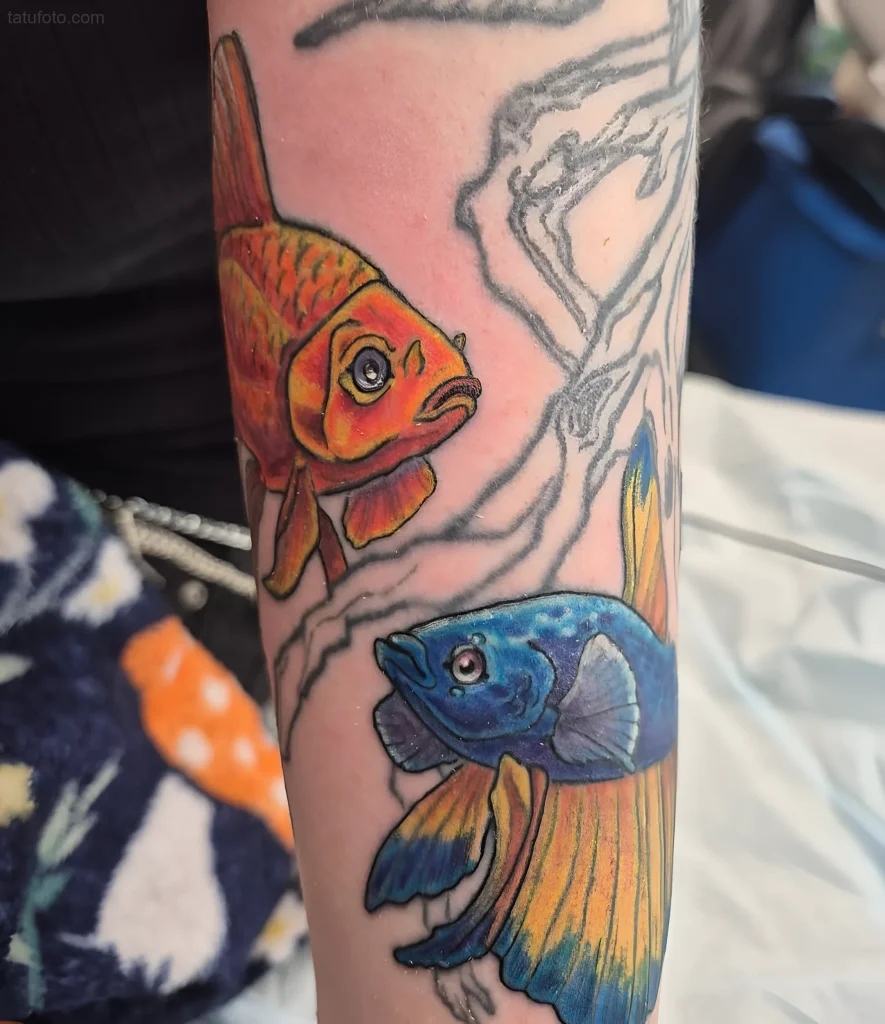
Breeders have developed many Betta fish tail shapes (veil, crown, delta, halfmoon), and each shape can carry its own shade of symbolism:
- Crowntail: Fins with pointed edges. Emphasizes aggression, determination, and “royal” power.
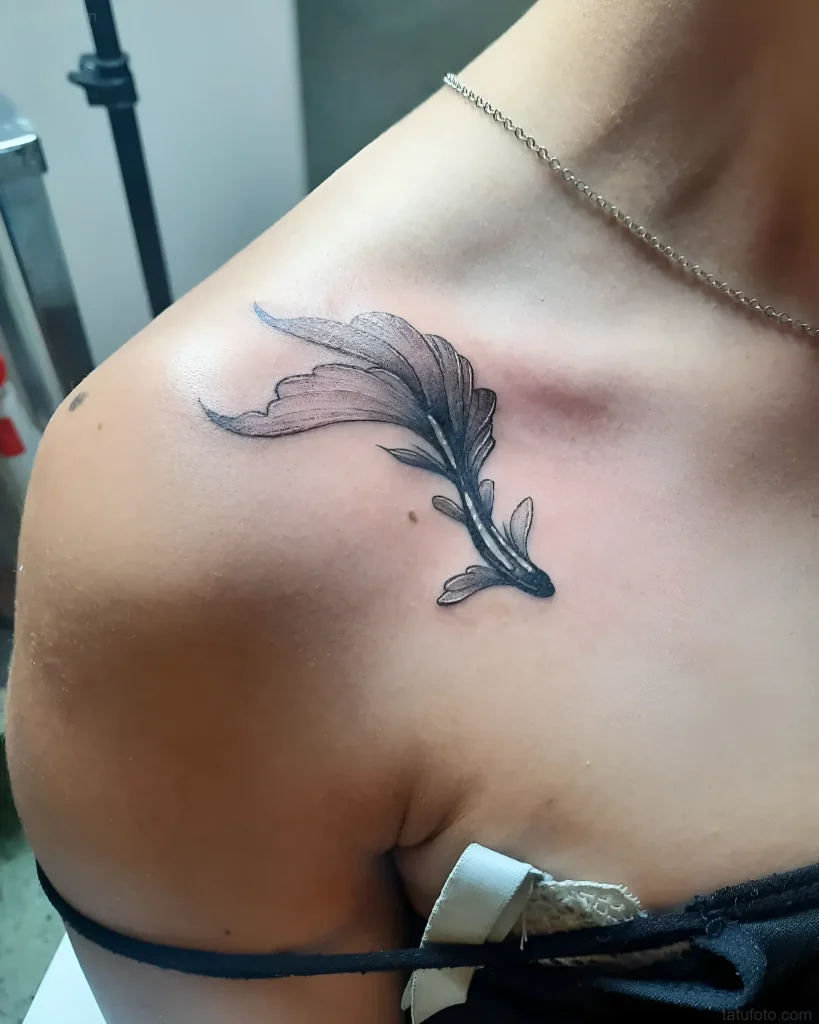
- Veiltail: Long, flowing tail. Symbolizes grace, elegance, and fluidity.
- Halfmoon: A fin that opens 180 degrees. The perfect balance between strength and beauty.
Choosing a Betta fish tattoo is always a choice in favor of a deep, multilayered symbol. It is an image that combines fragile, dazzling beauty with a fierce, indomitable spirit, reminding the wearer of the need for balance between strength and grace in their own life.