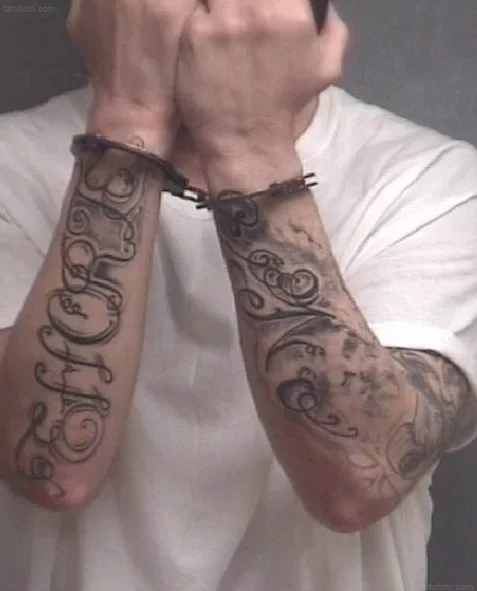
For a long time, a persistent stereotype existed in society and medicine: a fresh tattoo was an automatic “forbidden ticket” to the blood transfusion station for at least a year. However, the modern tattoo industry, which has made a giant leap in safety and sterility, has forced a reconsideration of these conservative norms. Recently, the Ozarks Blood Center (CBCO) announced a large-scale update of its protocols, based on new recommendations from the U.S. Food and Drug Administration (FDA). These changes not only simplify life for body art enthusiasts but also open doors for thousands of new donors amid a global blood shortage.
The essence of the innovations lies in a radical reduction of deferral periods for donation. If previously, after getting a tattoo, a person was required to wait 12 months, now in most cases this period is completely annulled or reduced to three months. The main criterion for medical professionals has become not the tattoo itself as an intervention, but the conditions under which it was done. If the artist worked in a state-licensed facility, adhering to all sanitary norms, the donor can “roll up their sleeves” and donate blood almost immediately after leaving the tattoo studio.
Geography of Rules: Where You Can Donate Blood Immediately
The new CBCO policy is based on a strict audit of the legislation of various states. Currently, 40 U.S. states are recognized as meeting high safety standards. This list includes Arkansas, Kansas, Missouri, Oklahoma, and Texas. Residents of these regions who got a tattoo in certified salons can now wait no more than a day. Tattoo culture experts note that this decision is a direct recognition of the professionalism of modern artists.
For those who got tattoos in states where tattoo parlor operations are not regulated at the state level, the rules have also been softened. Instead of a year-long wait, a three-month period has been established. The list of regions with a lack of strict state regulation currently includes:
- Nevada and Utah;
- Wyoming and Idaho;
- Georgia and Maryland;
- Massachusetts and New Hampshire;
- New York and Pennsylvania.
Expert Analysis: Why This Became Possible
From the perspective of tattoo culture, such changes are a victory over stigmatization. Historically, the ban on donation was associated with the risk of spreading hepatitis and HIV through non-sterile needles. However, a modern professional tattoo shop today resembles an operating room more than an underground workshop. The use of disposable modular cartridges, individual packaging for each consumable, and high-quality, certified pigments reduce the risks of infection to almost zero.
Anthony Roberts, Executive Director of CBCO, emphasizes that many potential donors mistakenly believed their path to charity was closed due to their love for skin art. “These updated guidelines make the donation process easier than ever. The community’s need for blood is higher now than ever, and these changes couldn’t have come at a better time,” he notes. For the tattoo community, this is also a powerful incentive to choose licensed studios, as the legal status of an establishment now directly affects the client’s social opportunities.
Technical Requirements for a Donor with a Tattoo
Despite the liberalization of rules, medical requirements for skin condition remain strict. It is not enough to simply get a tattoo in a good studio – the body must be ready for the blood draw procedure. Specialists highlight several key conditions:
| Criterion | Requirement |
|---|---|
| Skin Condition | The tattooed area must be completely dry, with no signs of inflammation. |
| Healing | The epithelialization process must be complete; there should be no scabs or open wounds on the skin. |
| Pain | There should be no pain, itching, or swelling in the tattooed area. |
| Instrumentation | The donor must confirm the use of sterile needles and disposable inks. |
Impact on the Tattoo Industry and Society
This step by the FDA and regional blood centers has a deep socio-cultural subtext. Tattoos have long ceased to be an attribute of marginalized segments of society, becoming part of high fashion and personal self-expression for people of all professions – from doctors to politicians. The lifting of the “donation embargo” confirms that tattoo culture is integrated into public life on equal terms. Moreover, this decision will encourage studio owners in “unregulated” states to fight for the adoption of local licensing laws so that their clients do not feel discriminated against.
In the long term, this could lead to the creation of a unified safety standard for the tattoo industry worldwide. If the U.S. experience proves successful and does not lead to an increase in infectious complications among blood recipients, similar norms may be adopted in other countries, including the European region and the CIS, where stricter restrictions for tattooed donors still exist. For those who have questions about the possibility of donating blood, CBCO has opened a hotline where everyone can receive consultation based on their specific situation.