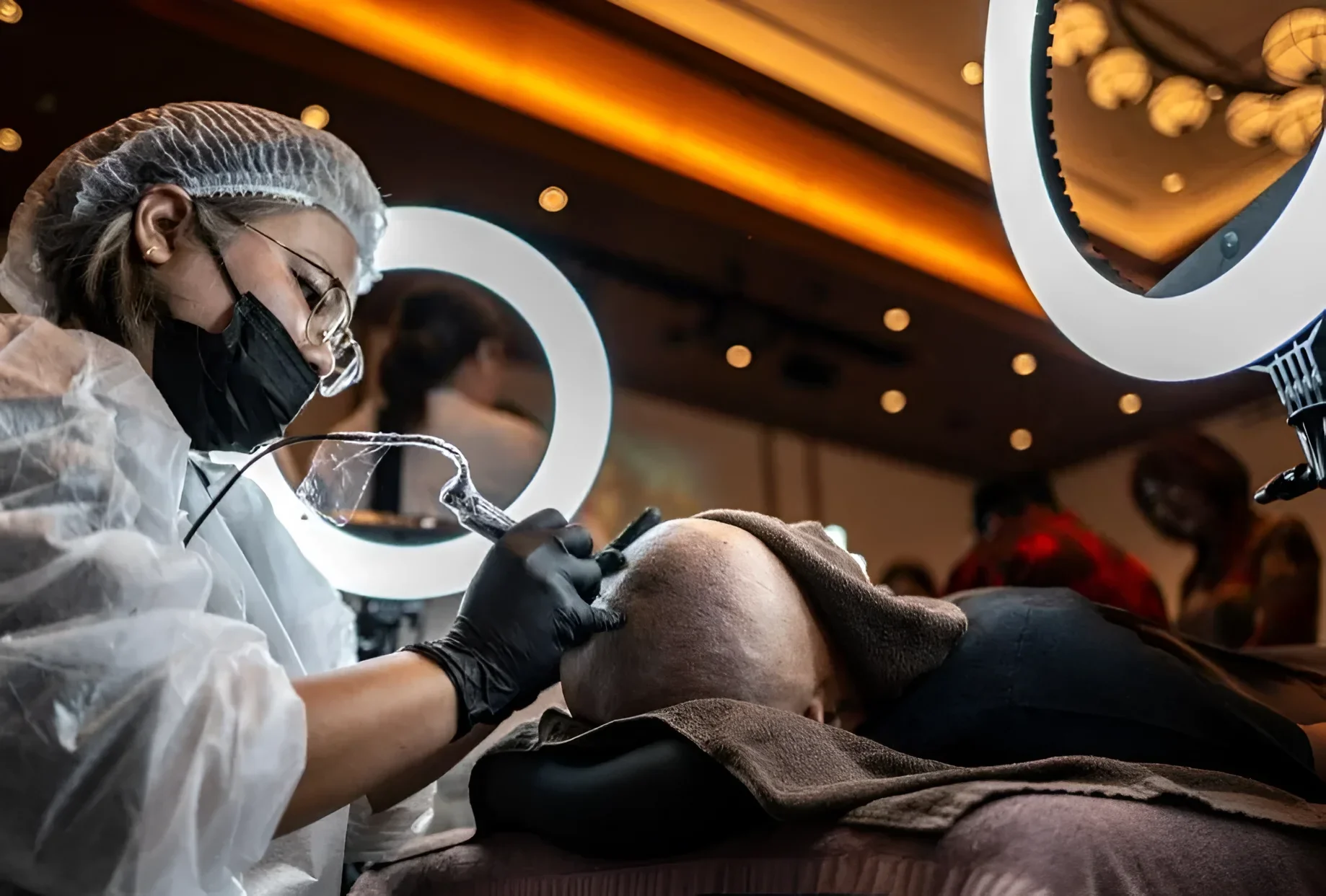
In Naha, Okinawa Prefecture, Japan, master Rimi meticulously injects microscopic dots of pigment into the bald scalp of client Koki Hatanaka. His goal is to mimic hair follicles, creating the effect of a full head of hair. This process, known as scalp tattooing, is becoming increasingly popular but is simultaneously coming under close scrutiny from Japanese health authorities.
Art vs. Medicine
Japan holds a unique position in the world, viewing permanent makeup and cosmetic tattooing procedures exclusively as medical activities. While in most countries such services are provided by tattoo artists or cosmetologists, Japanese law requires a medical license. This puts many practitioners, like 44-year-old Rimi, who practices in Okinawa, in a difficult position.
Historical Context and Cultural Peculiarities
In Japan, tattoos have historically been associated with the yakuza—organized crime syndicates. This stigma persists to this day, despite the global trend towards normalizing tattoo culture. As a result, even cosmetic procedures performed in compliance with all sanitary standards face distrust from society and authorities.
Arguments of Tattoo Industry Supporters
Industry representatives argue that their work is, above all, art. They emphasize that creating the illusion of hair, filling in eyebrows, or applying pigment to lips requires artistic taste and technical skills that are not necessarily linked to medical education. In their opinion, such procedures are more suited to tattoo artists and hairdressers than to doctors.
Authorities’ Position and Risks for Practitioners
Japan’s health authorities insist that any procedures involving needles and permanent pigments must be performed only by medical professionals. The threat of criminal prosecution for those who violate this rule is becoming increasingly real. This creates a tense situation for practitioners who have honed their skills over years but now risk losing the ability to work legally.
Global Context and Prospects
The situation in Japan contrasts with global trends, where cosmetic tattoos are becoming increasingly widespread and recognized as part of the beauty industry. In other countries, these procedures are often regulated less strictly, allowing practitioners to work without needing medical licenses. However, the Japanese approach reflects a unique combination of cultural traditions and strict public health control.
The debate over whether cosmetic tattooing is art or medicine remains open. As Japanese authorities continue to tighten control, practitioners must find a balance between preserving their craft and complying with legislation. The future of this industry in Japan depends on finding a compromise that satisfies both sides and ensures client safety.