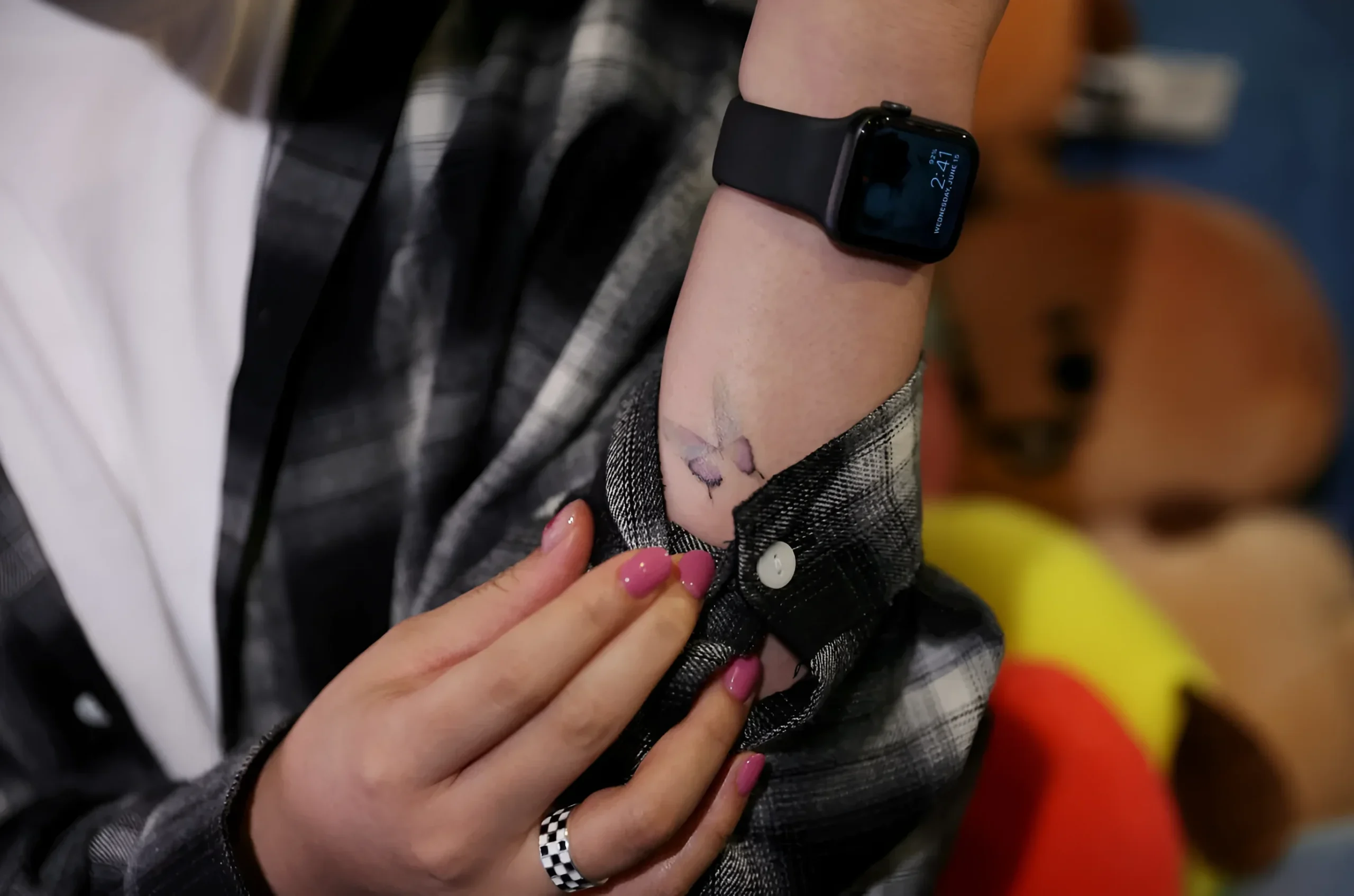
For decades, tattoo artists in South Korea lived in a legal vacuum: their craft was unrecognized, and for every line under the skin, they risked fines or imprisonment. On September 26, 2025, this paradox officially ended – the country’s parliament passed a law that, for the first time in the developed world, separates tattooing from medicine and returns it to where it belongs, into the hands of the artist.
The Essence of the Adopted Law
The document, named the Tattoist Act, passed with a convincing vote: 195 out of 202 present deputies voted “yes.” Now, specialists without a medical diploma will be able to obtain a work license. The law will not take effect immediately – a two-year grace period is provided for masters and regulators to establish a system of admission, standards, and control.
Previously, despite the fact that tattooing itself was not prohibited, its application was classified as a medical procedure. In practice, this meant that only a doctor could legally work. An ordinary tattoo artist risked a fine of up to 50 million won (approximately $35,464) and actual imprisonment. South Korea remained the only developed country where this situation persisted.
Why This is Important for Tattoo Culture
For the global tattoo community, Seoul’s decision is not just a local amendment, but a shift in the understanding of the very nature of tattooing. Experts point to several consequences that will affect the industry far beyond Korea:
- Recognizing tattoos as an artistic and cultural practice, rather than medical intervention, will remove the double standard where a client with a tattoo on their arm was perceived normally, but the artist who created it was seen as a violator.
- The introduction of licensing will provide clients with real guarantees: sterilization standards, material checks, and performer accountability. This will raise the quality bar for the entire industry.
- Legal status will open access to loans, insurance, studio rentals, and participation in international festivals without the risk of criminal prosecution.
- The Korean tattoo school, already prominent on the world stage, will receive institutional support and likely accelerate the export of its styles.
The contrast between the strictness of the law and reality was striking: tattooed people walked openly through the streets of Korean cities, including K-pop stars, and the demand for artists’ work grew both within the country and at foreign conventions. The law, in essence, caught up with an already established practice.
Artists’ Reaction
The community of tattoo artists met the adoption of the act as the result of years of struggle. According to Doy, a renowned Korean artist and organizer of a trade union who himself faced legal cases and paid fines for his work, artists had been operating in isolation for years, in their studios, and gradually built unity.
“Tattoo artists in Korea, each working in their own space, overcame the isolation of our profession and created unity with 1,100 members. By doing so, we ourselves changed the injustice that had denied our craft for so long,” he stated.
For the reader following tattoo culture, the key takeaway is simple: a country where tattoos have become part of mass aesthetic culture has finally recognized those who create this culture. The two-year transition period will show how licensing will work in practice, but the very fact of legalization is already changing the map of the global tattoo industry and setting a precedent that other markets will likely follow.