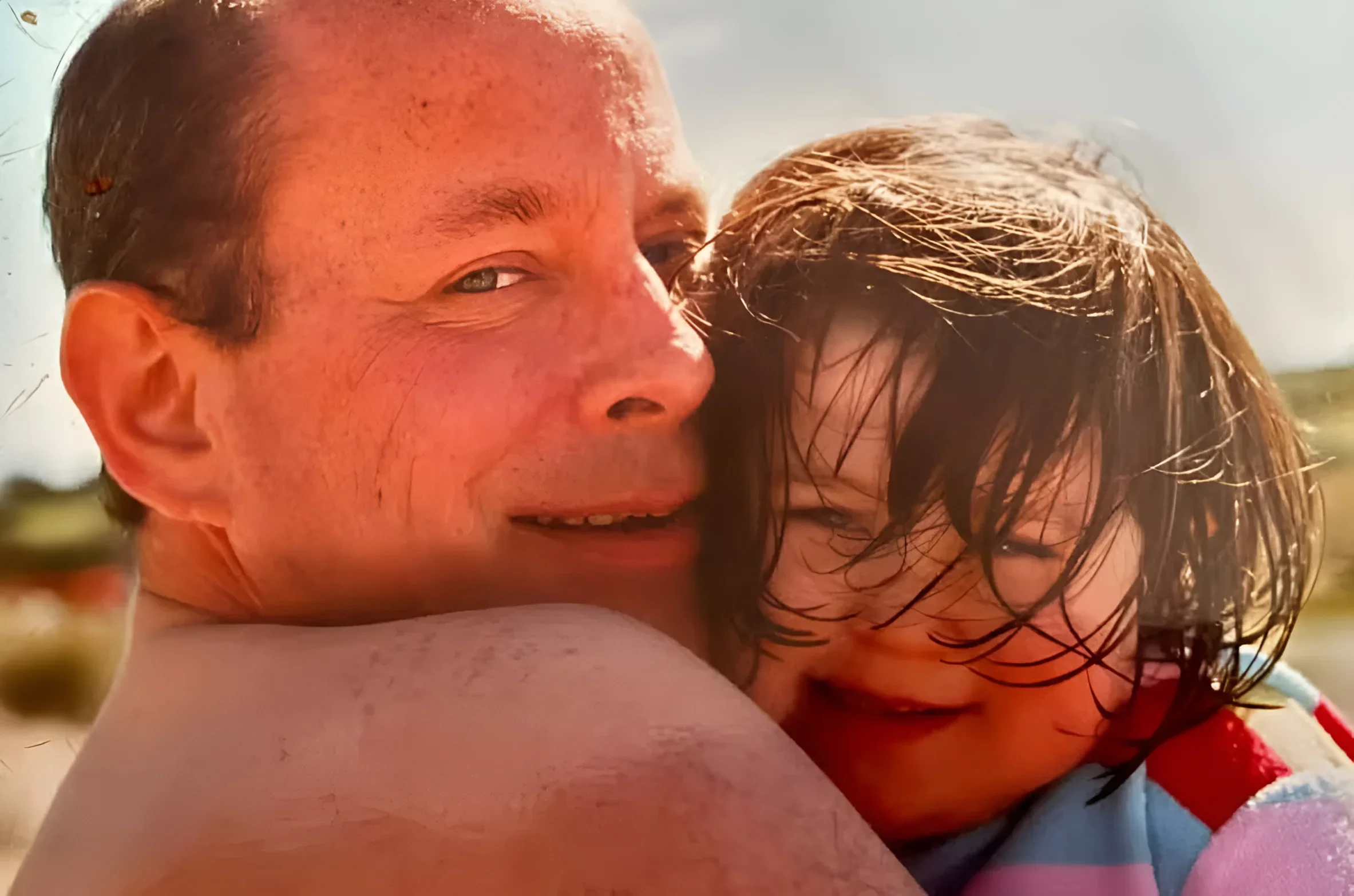
In Cork, Ireland, a tattoo studio is transforming personal tragedy into a public gesture: one day of work is entirely dedicated to raising funds for cancer research. The initiative is spearheaded by Ellie Christie, who lost her father at 19 and now wants new tattoos and piercings done in his honor to help other families face the disease at an early stage.
 admin
admin
Tattoo Schools vs. Apprenticeships: What’s Happening to Tattoo Culture

For years, tattoo schools were perceived as a threat to an industry that grew out of apprenticeships. Established artists criticized them, calling them a “quick path,” while the schools themselves preferred to remain silent. Dialogue was impossible: when one side of an argument doesn’t respond, negativity and speculation fill the void, solidifying into “facts” over time. To understand what’s happening here, we need to rewind and look at how tattooing education was formalized in the first place.
UK Tightens Rules for Mobile Tattoo Artists
The UK is gradually tightening the screws in the body art industry. Local authorities in various regions of the country are introducing strict restrictions on mobile tattoo and piercing artists, citing threats to public health. We explore what lies behind this decision, who it primarily threatens, and why the issue has suddenly become so acute.
Sarah Michelle Gellar Showed Her Back Tattoos at the Emmy Awards 2026

The Emmy Awards red carpet has long ceased to be just a parade of outfits: increasingly, tattoos are becoming the main accent of the look, especially when the dress is chosen with a revealing neckline. At the 78th Primetime Emmy Awards ceremony, held on Monday, September 14, 2026, at the Peacock Theater in Los Angeles, Sarah Michelle Gellar, who is 49 years old this year, gave the public a rare chance to see her lower back tattoos. The actress, known for her roles in “Buffy the Vampire Slayer” and “Buffy the Vampire Slayer,” appeared in a bright pink Versace dress with a dramatically open back and a thigh-high slit, completing the look with silver Jimmy Choo platform sandals.
Michigan Tattoo Artist Offered Tattoos for Takedown of Flock Cameras
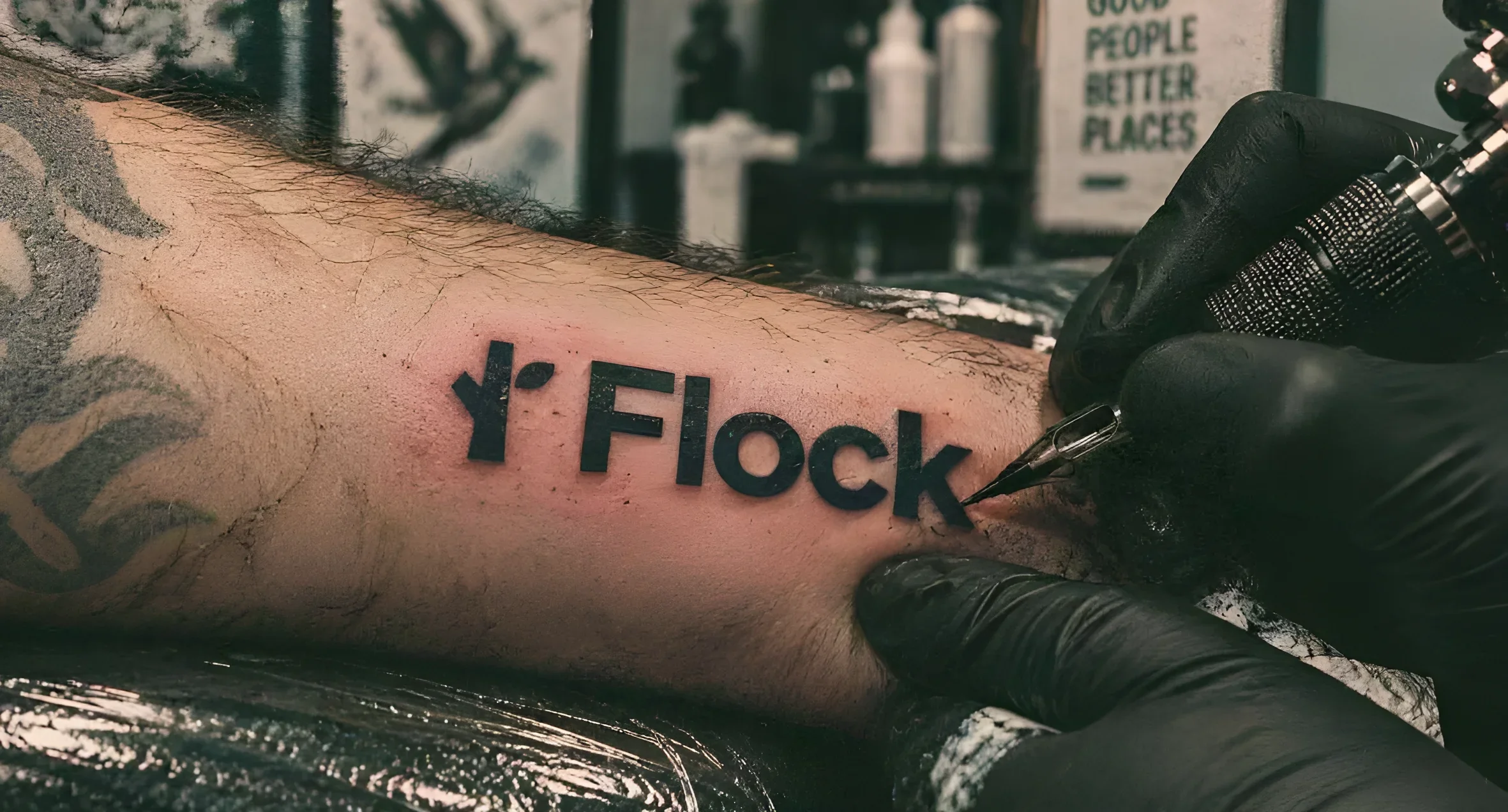
A joke by a Michigan tattoo artist, which he posted on social media, turned into a viral case with two million views. Steven Jean, owner of the modification studio The Alien Bodyshop, joked that he would give a free tattoo to anyone who took down a Flock camera. The audience’s reaction was so serious that the story led to arrests.