
In today’s world, where the boundaries of self-expression are constantly expanding, tattoo culture is no longer a marker of rebellion and has become a form of art. However, for those who choose radical changes to their appearance, the price of this freedom can be high. The story of 39-year-old Carly Edjobamu from Sheffield is a prime example of how the love for body art clashes with conservative societal views and the cruelty of internet trolls.
Rosie O’Donnell got a tattoo with her child’s pronouns

In a world where personal stories become part of public discourse, Rosie O’Donnell once again proves that supporting loved ones is not just about words, but actions. Ahead of her return to television after an eleven-year absence, the actress and former talk show host shared a touching story about how she is trying to adapt to new communication rules with her youngest child.
Jenni Redden: How Technology and Stories are Changing the Tattoo Industry
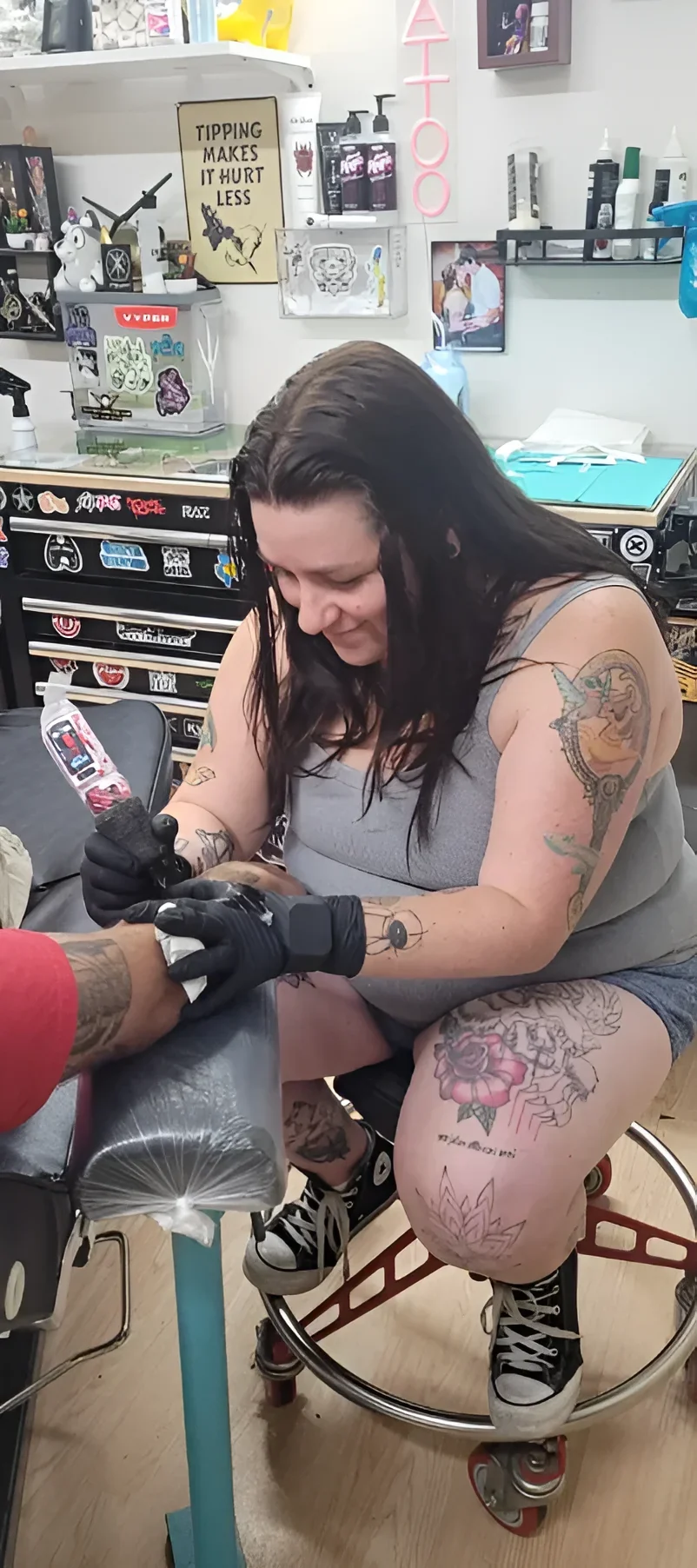
In a world where every line on the skin can tell a story, tattoo artists are becoming not just artists, but keepers of human destinies. Jenni Redden, owner of Creative Addictions studio in McCook, Nebraska, has been a professional tattoo artist for nine years and has been running her own studio for almost four. During this time, she has witnessed radical changes in the industry – from technology to society’s perception of tattoos.
Kylie Kelce on Tattoos for Daughters: When Parents Change Their Minds
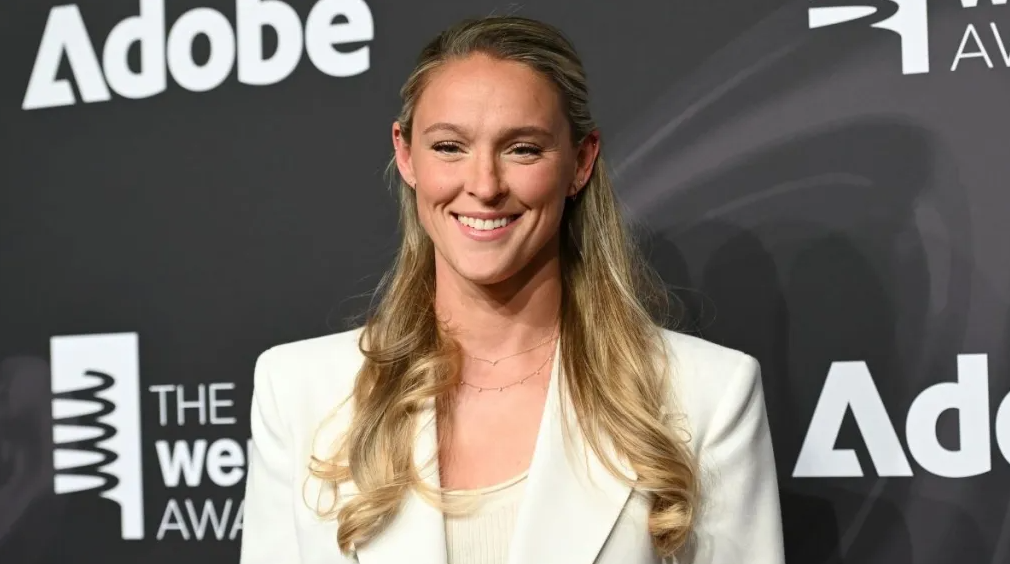
In the world of tattoo culture, it’s rare for parents to openly discuss the possibility of getting tattoos on their children’s bodies. But Kylie Kelce, wife of famous American football player Jason Kelce, has decided to break this unspoken taboo. On the show “Not Gonna Lie,” which aired on August 13, 2026, she admitted that if one of her four daughters comes home with a tattoo one day, she won’t panic. The main thing is that it’s a quality job done by a professional.
Cosmetic Tattoos in Japan: Art or Medicine?
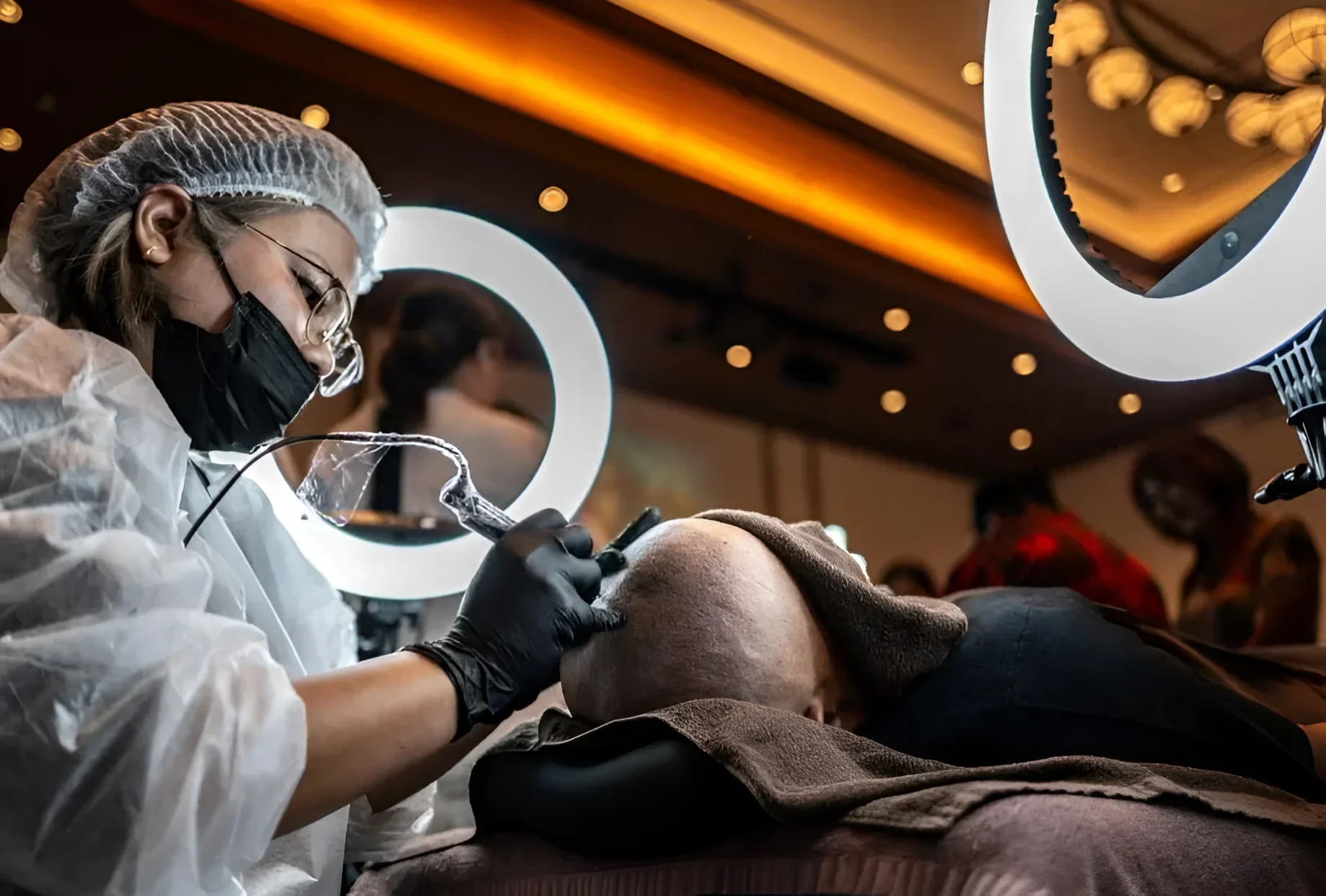
In Naha, Okinawa Prefecture, Japan, master Rimi meticulously injects microscopic dots of pigment into the bald scalp of client Koki Hatanaka. His goal is to mimic hair follicles, creating the effect of a full head of hair. This process, known as scalp tattooing, is becoming increasingly popular but is simultaneously coming under close scrutiny from Japanese health authorities.