
In the world of professional sports, tattoos have long ceased to be just a decorative element – they have become part of personal history, a symbol of achievements, and even a way to express gratitude to loved ones. Ukrainian footballer Ilya Zabarny, known for his love of tattoo culture, recently got a new large-scale design on his leg. The artist behind the work was Danish tattoo artist Andreas Rahbek, who specially came to Paris to complete this project.
 admin
Removal of Forced Tattoos: How Victims of Domestic Violence Reclaim Their Lives

In a world where tattoos are often perceived as a symbol of freedom and self-expression, there exists a dark side to this culture – forced tattoos, which have become instruments of control and humiliation. In the Netherlands, in the city of Rotterdam, the Spijt van Tattoo foundation operates, helping victims of domestic violence remove violent tattoos left by their abusers. This is not just a medical procedure; it’s a path to liberation, restoration of dignity, and reclaiming one’s life.
Tattoos Under Ban: South Carolina vs. Freedom of Expression
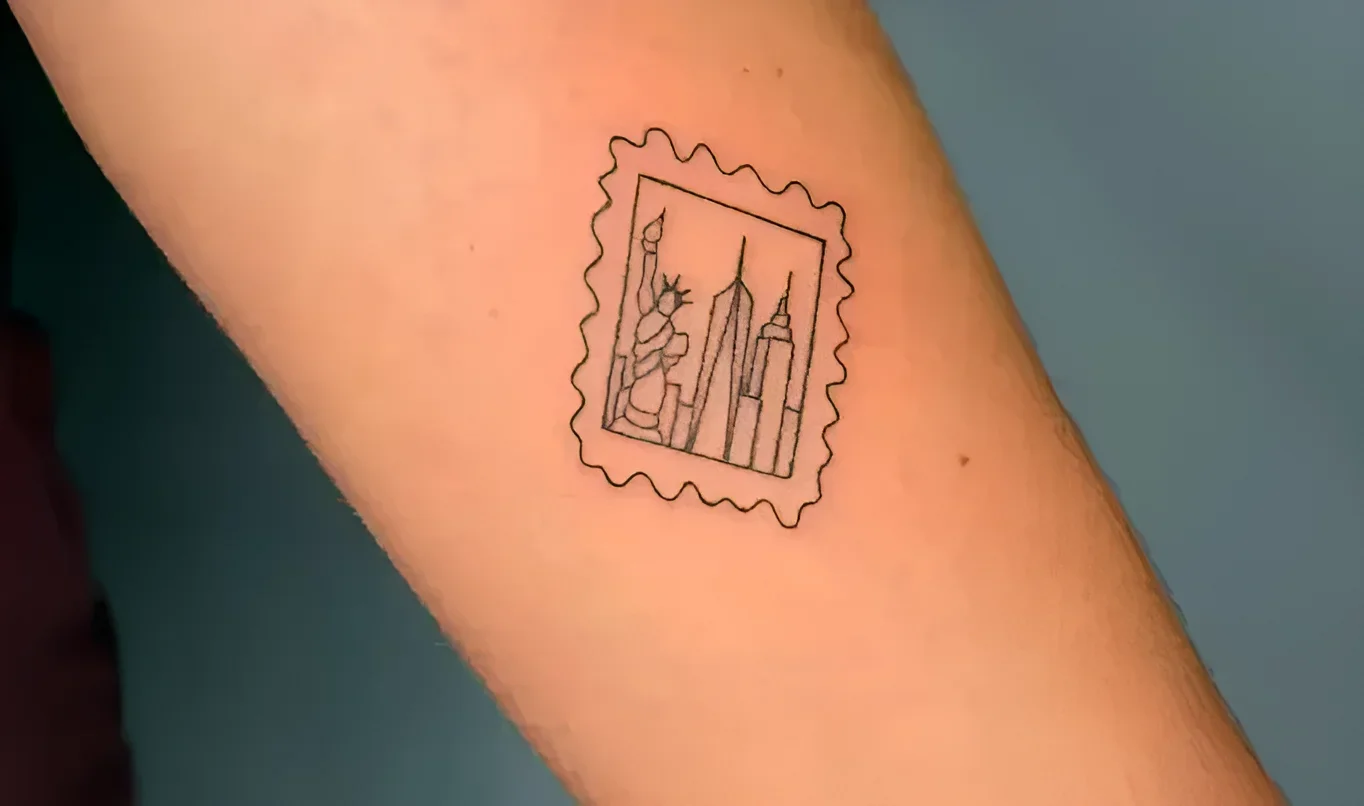
A new dispute over the right to self-expression through tattoos is brewing in the USA. This time, the state of South Carolina has come into focus, where local authorities have introduced a series of restrictions that, according to many, violate citizens’ constitutional rights. The story began when Josh and Stephanie McDonald wanted to get tattoos but encountered unexpected obstacles.
Tattoos for Seniors: Myths, Risks, and Expert Advice

Many believe that tattoos are for the young, but reality suggests otherwise. An increasing number of people over 50 are deciding to get inked to mark an important life stage, express individuality, or simply fulfill a long-held dream. However, mature skin requires a special approach, and tattoo artists, as well as doctors, warn that it’s crucial to consider the body’s physiological changes.
South Korea Legalizes Tattoos: New Rules and Standards
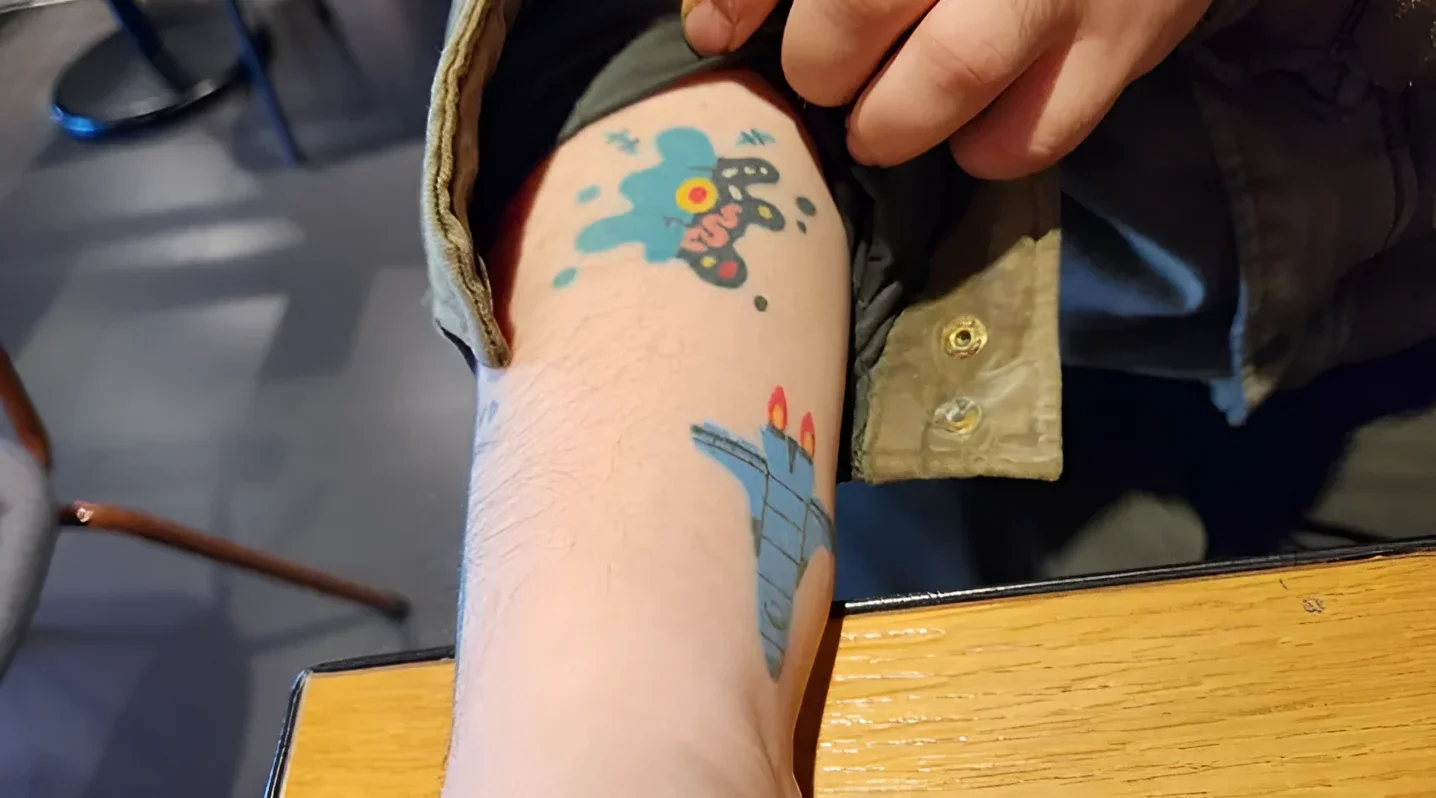
For a long time, South Korea remained an exception where getting a tattoo was legally equated to a medical procedure. This status forced thousands of talented artists to work in the shadows, and millions of citizens dreaming of tattoos relied on gray schemes. However, this era is officially ending: the country’s government is beginning to integrate the thriving body art market into the legal economy.