
The European Chemicals Agency (ECHA) continues its systematic policy of tightening safety standards, which invariably keeps the global community of tattoo product manufacturers on edge. On February 4, 2026, the list of Substances of Very High Concern (SVHC) will be supplemented with new items that directly affect the supply chains of pigments and equipment. For tattoo artists and studio owners operating in the European market or aiming for Western quality standards, this event becomes another signal to review the materials used. The REACH regulation, which caused a real shock a few years ago due to the ban on popular blue and green pigments, is now expanding its influence to chemical compounds used in related manufacturing processes.
Materials
Ban on Blue and Green: How New REACH Rules Will Change British Tattoos
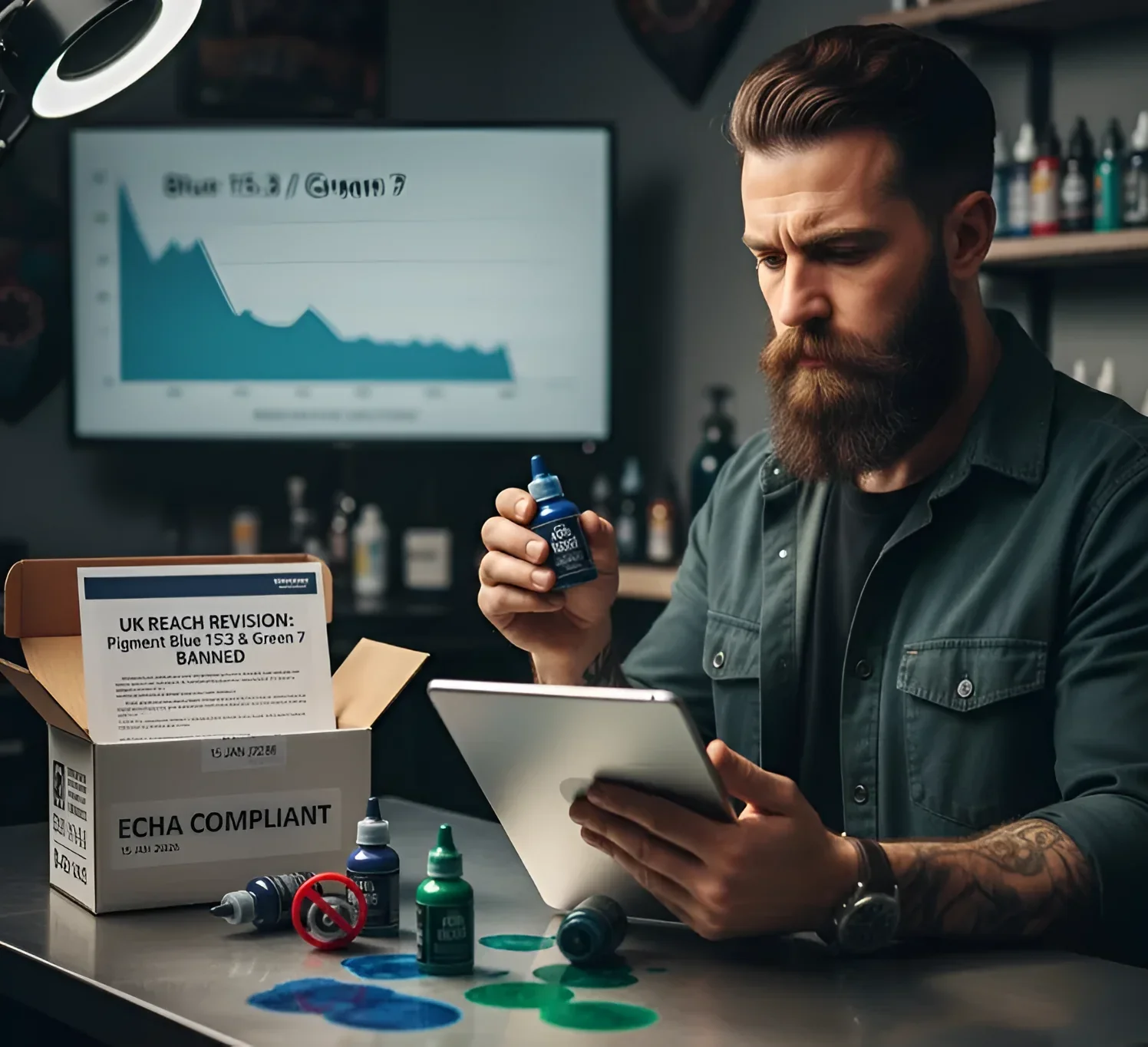
January 2026 will go down in the history of the global tattoo industry as a period of the most significant regulatory upheavals. While artists were adapting to the new post-pandemic realities, legislative bodies in the UK, the European Union, and several US states simultaneously moved to the active phase of implementing strict chemical safety protocols. The main blow fell on the British market, where the updated REACH (Registration, Evaluation, Authorisation and Restriction of Chemicals) regulation effectively threatens the existence of the familiar color palette.
Temporary Tattoo Market: New Records and Technological Breakthrough in 2026

The global body art industry is undergoing a tectonic shift that forces a new look at the usual canons of tattoo culture. According to the latest analytical data, by 2026, the temporary tattoo segment will make an unexpected leap, taking a dominant position with a 56.17% share of the total global market. If temporary images were previously perceived exclusively as a short-term accessory for festivals or a children’s game, today they are becoming a full-fledged tool for self-expression, pushing aside classic permanent tattoos in the battle for skin and consumer attention.
Technological Breakthrough in Tattooing: AI Printers and Wireless Equipment of 2026
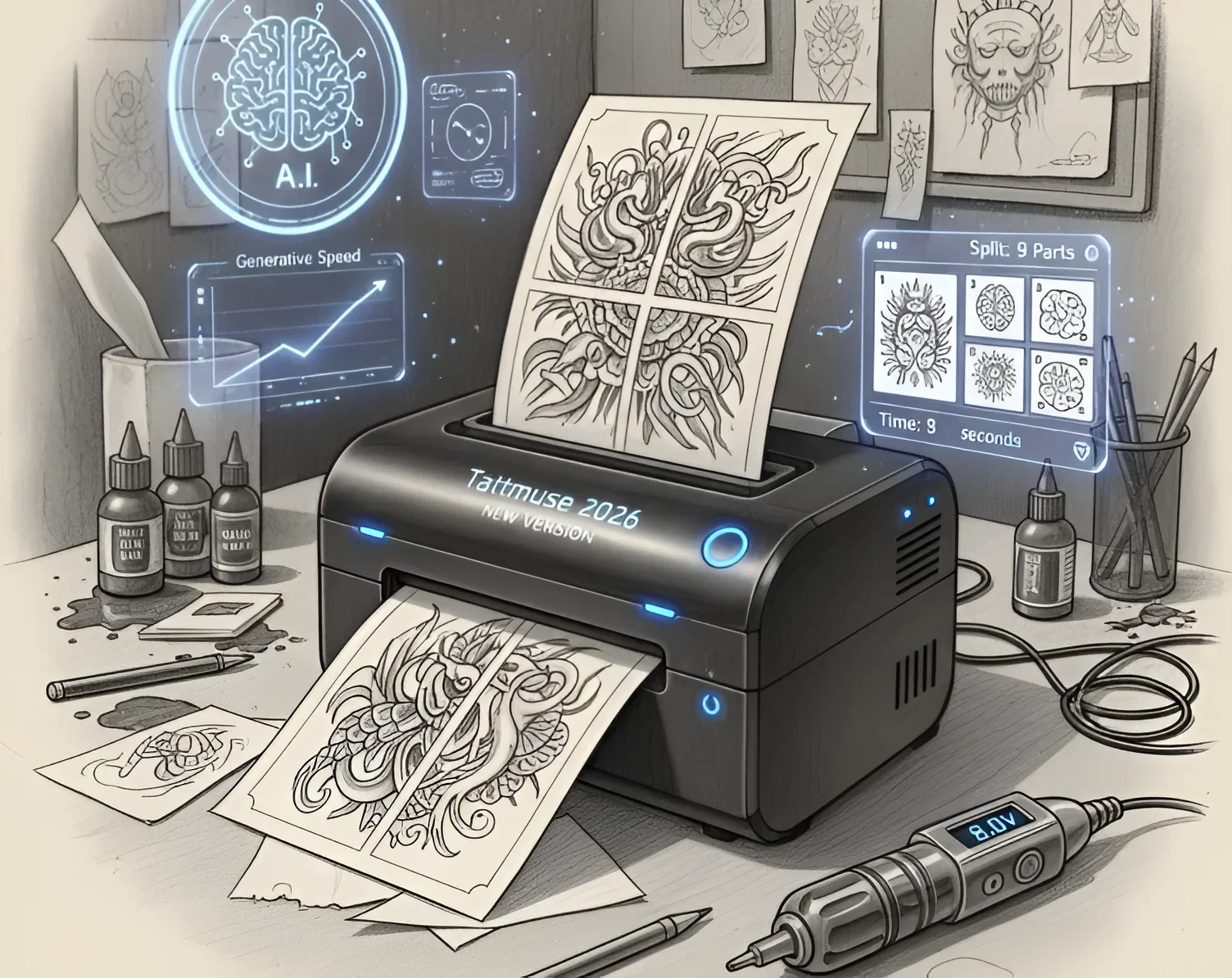
Modern tattoo culture is undergoing a profound technical transformation, where the lines between classic craftsmanship and high technology are finally blurring. In the week beginning February 2, 2026, the professional equipment market was enriched with devices that set new standards for efficiency and precision. This is not just another update of model lines, but a full-fledged integration of artificial intelligence directly into the workflow of sketch preparation and its transfer to the skin. The main protagonists of this technological leap are intelligent stencil printers and a new generation of wireless rotary machines focused on maximum integration into the digital ecosystem of a modern studio.
New in the Tattoo Industry: Medical Control and Technological Breakthrough of 2026
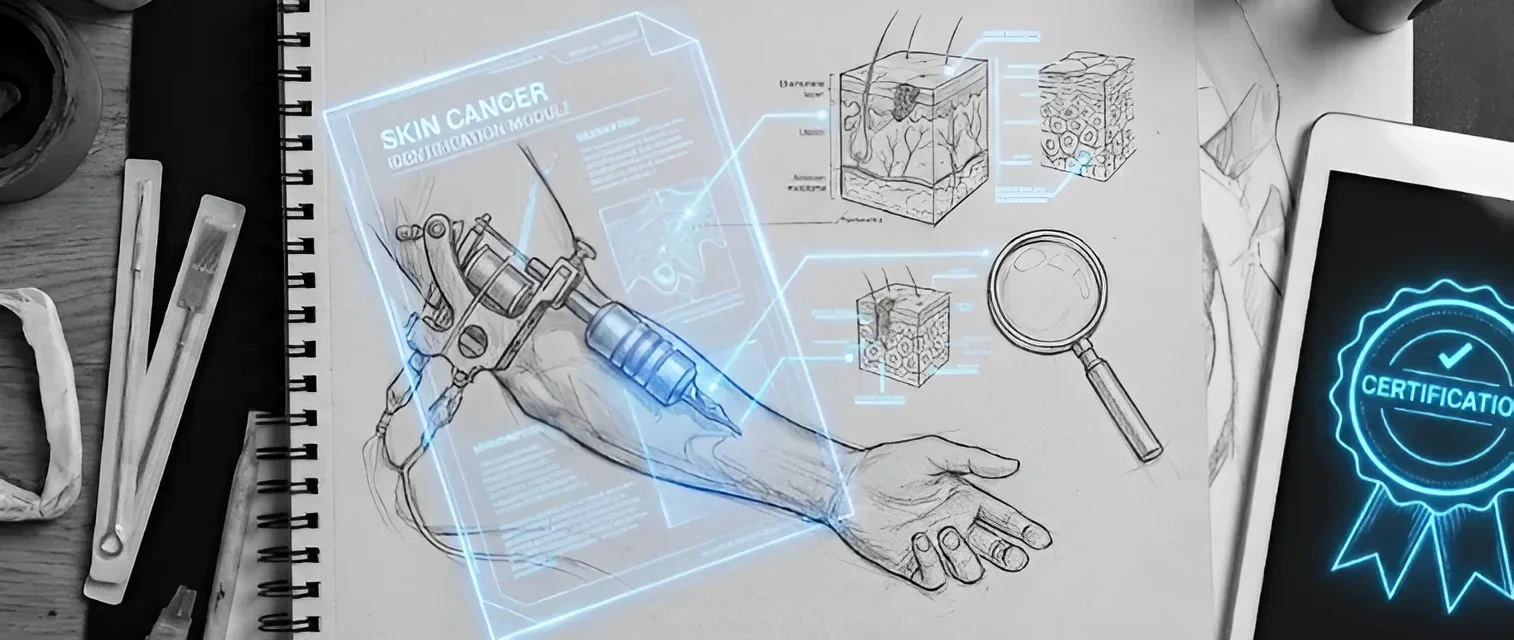
Contemporary tattoo culture is definitively ceasing to be a marginal art form, transforming into a high-tech industry at the intersection of aesthetics and evidence-based medicine. At the beginning of 2026, we are witnessing fundamental shifts that will affect every market participant – from a novice artist to the owner of a large studio, forcing a re-evaluation of approaches to safety and workplace technical equipment.