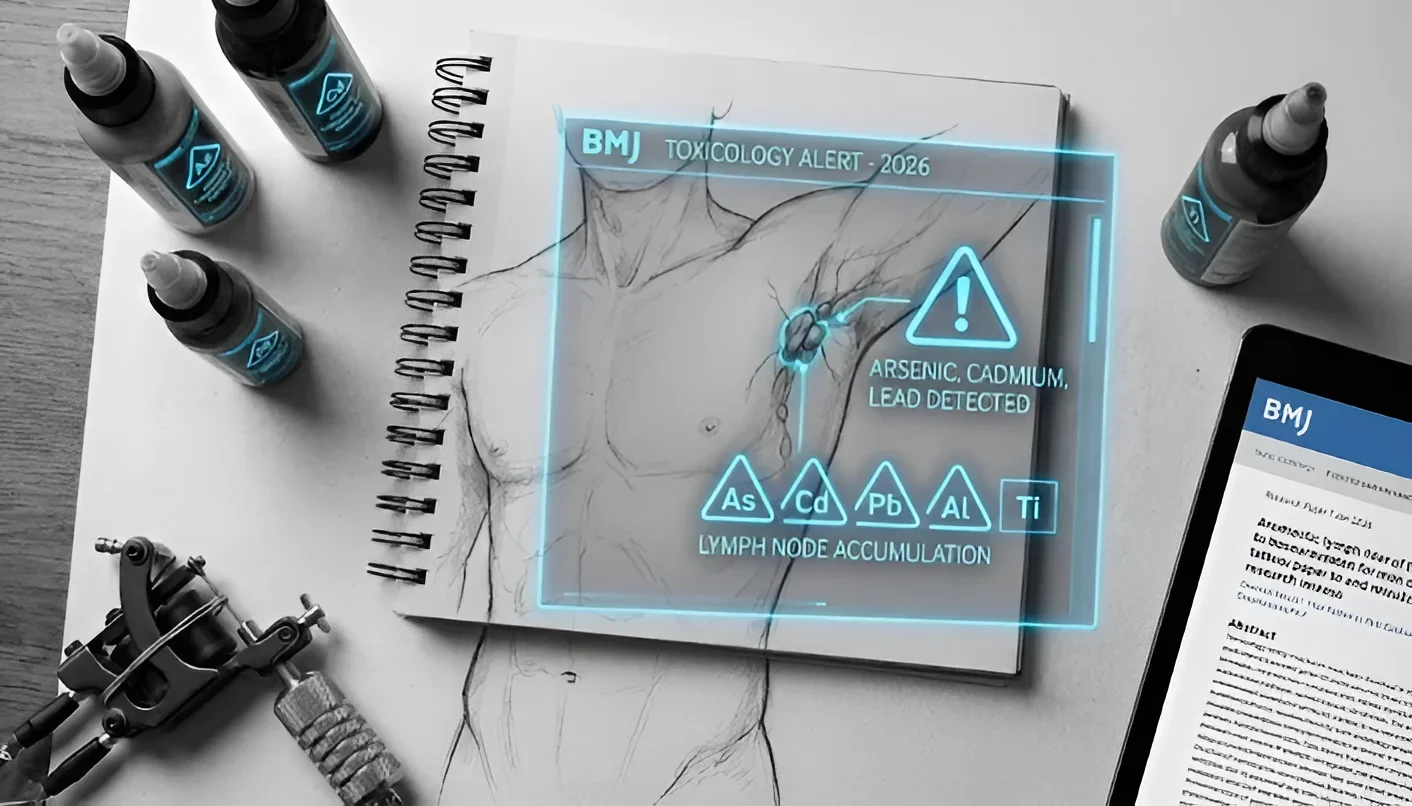
The art tattoo industry at the beginning of 2026 faced a dual reality: while the technical equipment of studios reached incredible heights, issues of chemical safety of pigments sparked a new wave of heated discussions. The main catalyst for discussions was fresh data on the composition of popular inks, which forces artists and clients to look differently at the healing process and long-term consequences for the body. Simultaneously, the equipment market offers solutions that make a tattoo artist’s work faster and more economical than ever before.
Materials
Tattoos and Immunity: Why Ink Changes the Body’s Response to Vaccines
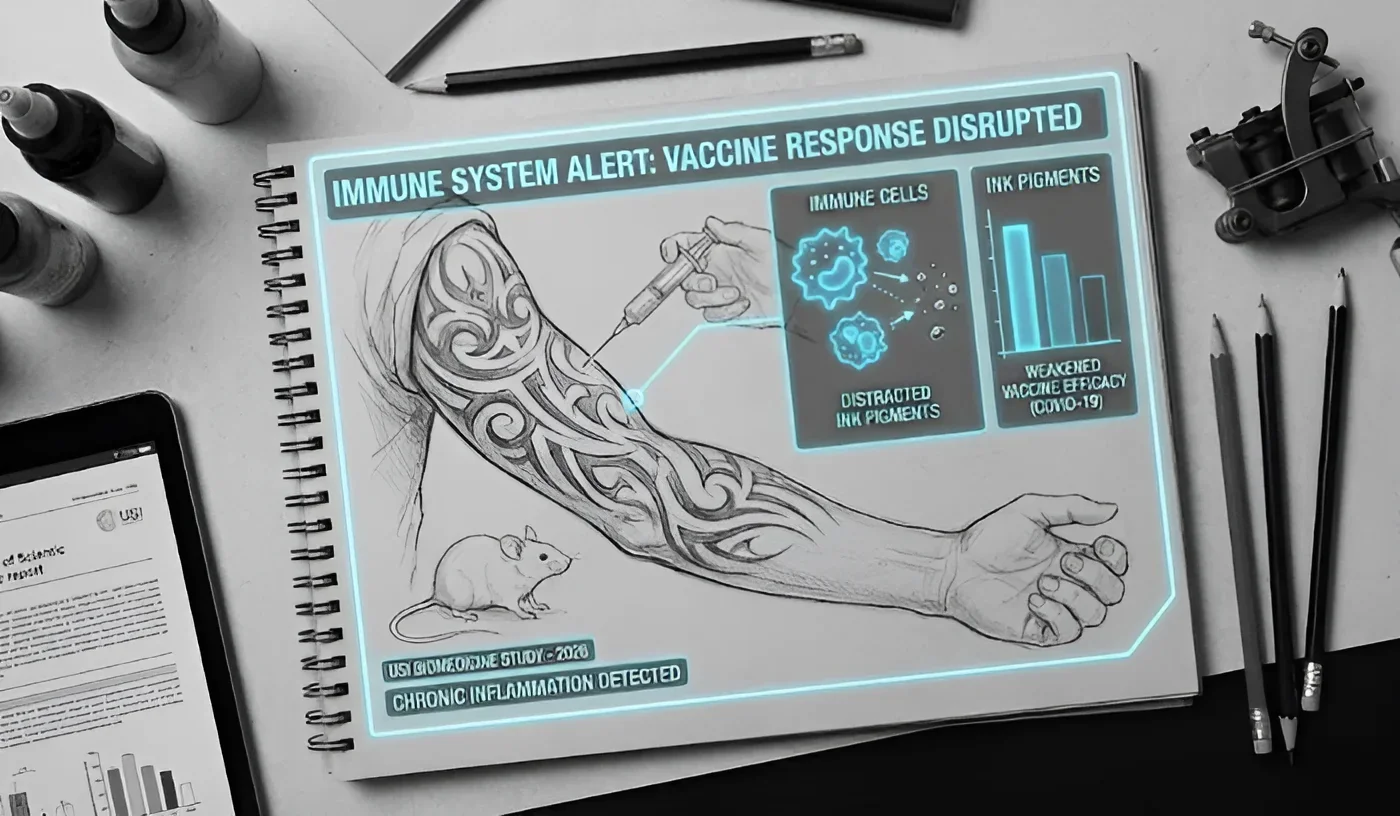
Modern tattoo culture has long ceased to be solely a matter of aesthetics or self-expression, becoming an object of close attention from fundamental science. While artists hone their realism techniques and clients choose designs, scientists are trying to understand how the presence of foreign pigment in the dermis affects the complex mechanisms of our immune system over the years. This week, the professional community was stirred by the results of a recent study conducted by specialists from the Institute of Biomedical Sciences (USI) in Switzerland. Experts have found that the usual process of wearing a tattoo creates a specific biological background in the body that can directly correct the effectiveness of modern vaccines, including those against COVID-19.
Pete Davidson and Machine Gun Kelly: Blackwork as a Way to Rebuild Identity

January 30, 2026, marked a grand premiere in the streaming world: the debut episode of the video podcast “The Pete Davidson Show” was released on the Netflix platform. The first guest in the studio, located right in the famous comedian’s garage, was his closest friend – musician Machine Gun Kelly (Colson Baker). During a candid conversation, the 35-year-old MGK and 32-year-old Davidson discussed not only their long-standing “brotherhood,” which began in 2017 on the set of “Wild ‘N Out,” but also deep psychological transformations. The central theme of the discussion was Colson’s radical change in appearance – his monumental blackwork tattoo, completely covering his torso and arms, which the artist himself described as a necessary “torture” for mental rebirth.
Youthful Mistakes in 4K: Tattoo Removal Simulator Announced
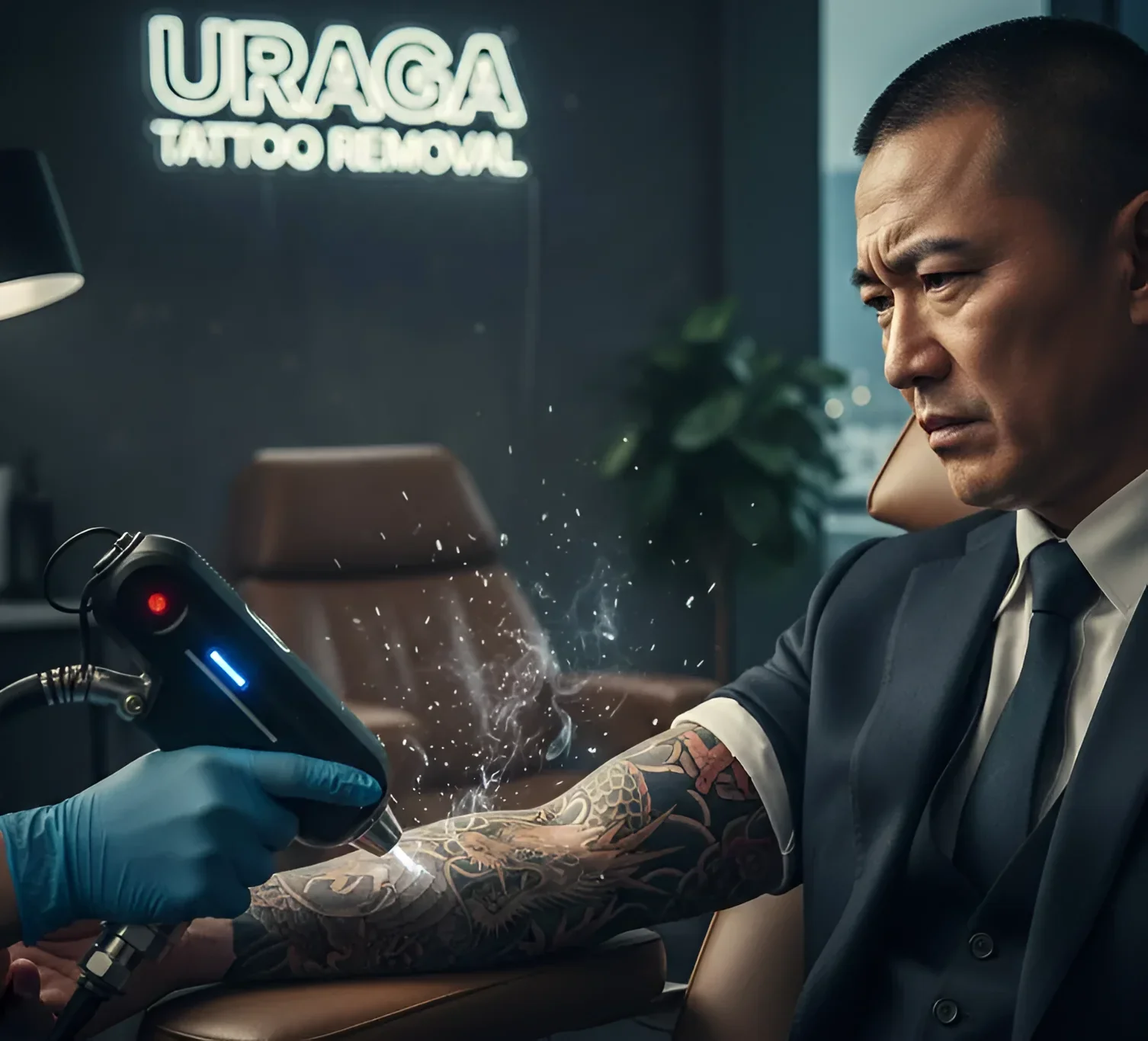
The tattoo industry has long ceased to be solely about applying pigment under the skin. Today, the culture of removing and modifying old works occupies no less important a place in the community’s life than the process of getting inked itself. Lithuanian indie studio Uraga has keenly felt this trend, announcing their debut project – Tattoo Removal Simulator. This is not just a game, but a meditative immersion into the world of laser correction, where players will have to fix the consequences of impulsive decisions, failed artistic experiments, and get rid of the ghosts of the past.
Electronic Tattoos Instead of Smartphones: Why Bill Gates Predicts the End of the Gadget Era
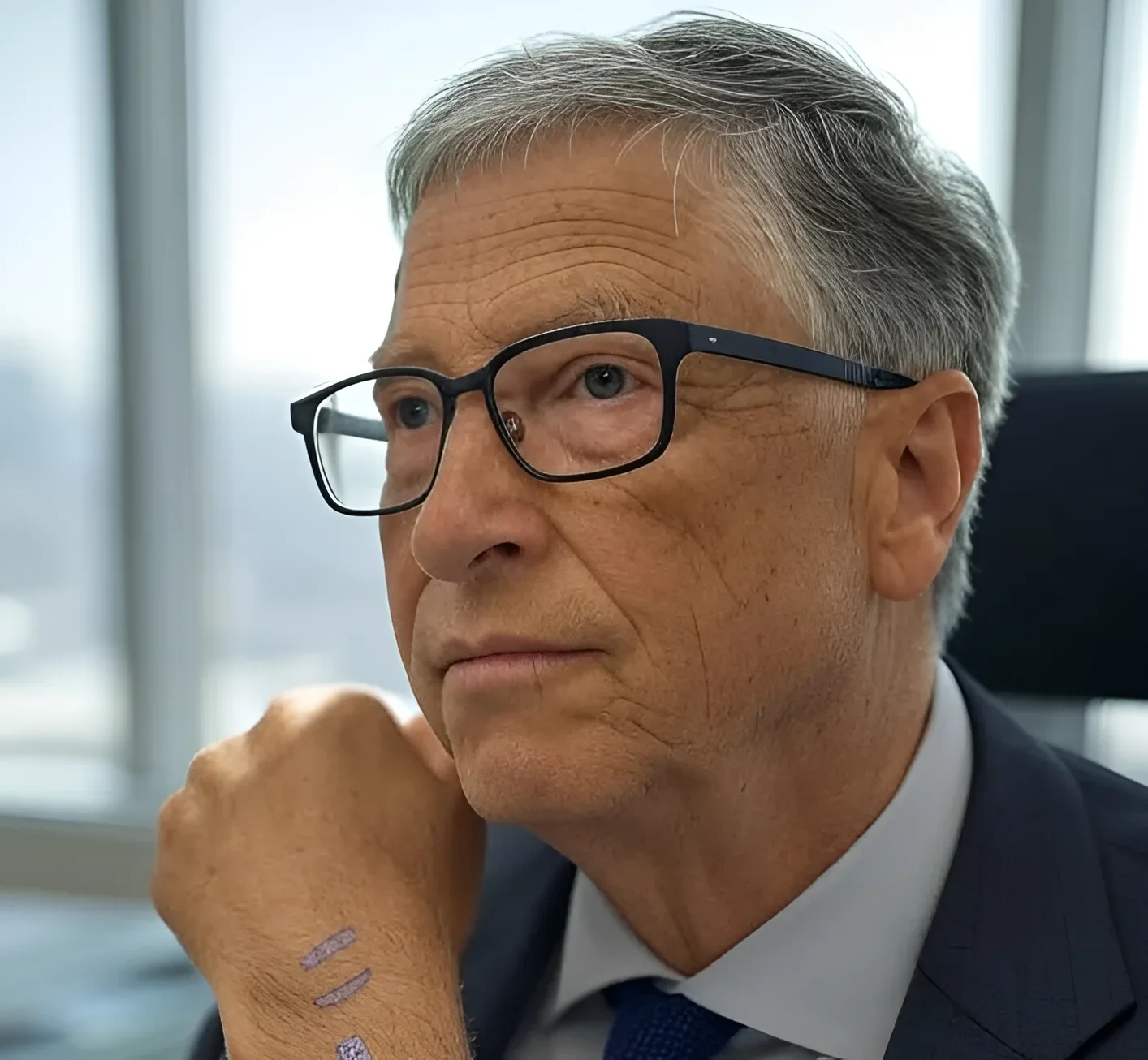
The world of high technology is holding its breath for a massive transformation: Bill Gates, one of the main ideologues of the digital age, has predicted the imminent death of smartphones. According to the Microsoft founder, the mobile devices we are accustomed to will be replaced by a more advanced and intimate technology – electronic tattoos. This futuristic forecast paints a picture of a future where the boundaries between the human body and the digital interface are finally blurred, turning the skin into a living processor and communication tool.