
The world of artistic tattooing and the strict legal framework of intellectual property have clashed in an unprecedented confrontation that could forever change the rules of the game for artists worldwide. This refers to the protracted legal battle between the icon of the modern tattoo scene, Kat Von D, and renowned photographer Jeffrey Sedlik. At the heart of the dispute is the iconic portrait of jazz legend Miles Davis, which Kat transferred to her client’s skin. This case has ceased to be a mere private dispute over fees and has evolved into a large-scale discussion about where copying ends and a new art form begins, and why traditional tests for “similarity” of works no longer work in the era of social media and hyperrealism.
Generational Code in Tattoos: How Fashion and Time Determine Skin Art Choices

Choosing your first or next tattoo is always a balance between personal self-expression and the invisible influence of mass culture. Many of us hesitate for years before visiting a studio, fearing that our chosen design will look ridiculous or “cringey” in a decade. However, professional tattoo artists notice a surprising pattern: our preferences in body art are strictly tied to the time when we were forming as individuals. In essence, a tattoo is a perfect time capsule, revealing its owner’s age and cultural background more accurately than their passport details.
Megan Fox’s Tattoo Sleeve: History, Symbolism, and the Evolution of the Actress’s Style
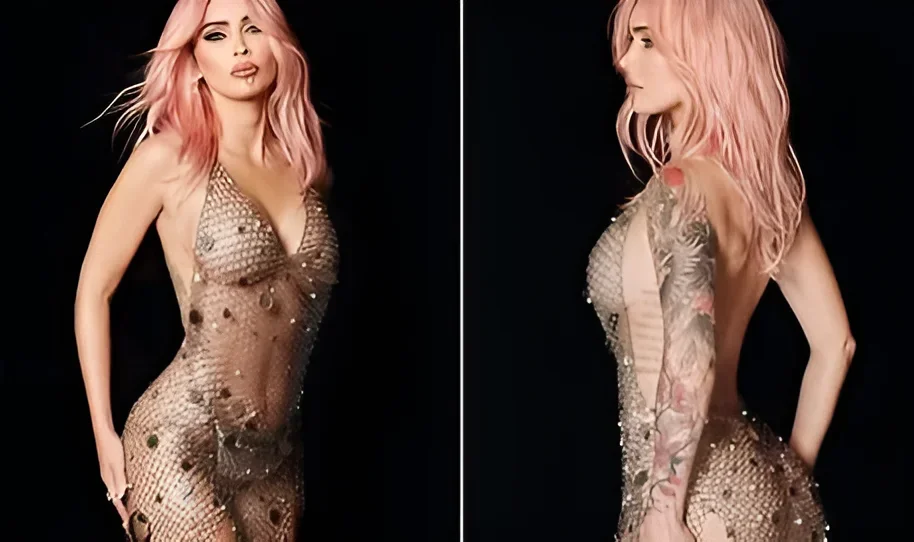
Megan Fox has long ceased to be just a Hollywood star and a sex symbol of the 2000s, transforming into a true icon of modern tattoo culture. Her body is a dynamic canvas that transforms with her inner world, and the most discussed element of this transformation has become her famous sleeve. For fans and professional artists alike, her body art is not just decoration, but a complex chronicle of ups, downs, and spiritual quests. Unlike many of her peers, Megan is not afraid of radical changes: she easily parts with old images, covering them with new, deeper, and technically more complex works.
John Mayer’s Tattoos: Deep Symbolism and Style Evolution from Irezumi to Minimalism
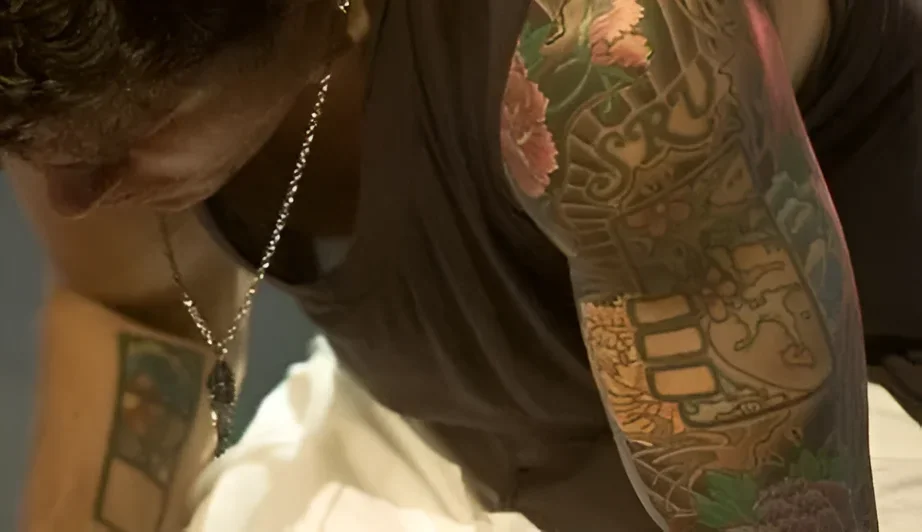
John Mayer is a name that most associate with masterful guitar playing, deep blues vocals, and a shower of Grammy awards. However, in the world of body art, Mayer is recognized as no less significant a figure than on the music scene. His body is not just a collection of random images, but a carefully crafted canvas reflecting his inner transformation, commitment to tradition, and search for identity. For tattoo experts and collectors, John is a benchmark for how a public figure can skillfully and aesthetically integrate complex art into their image, turning their skin into a visual biography.
Lil Uzi Vert (Symere Woods) Tattoos: A Complete Guide to the Rapper’s Meanings, Symbolism, and Style
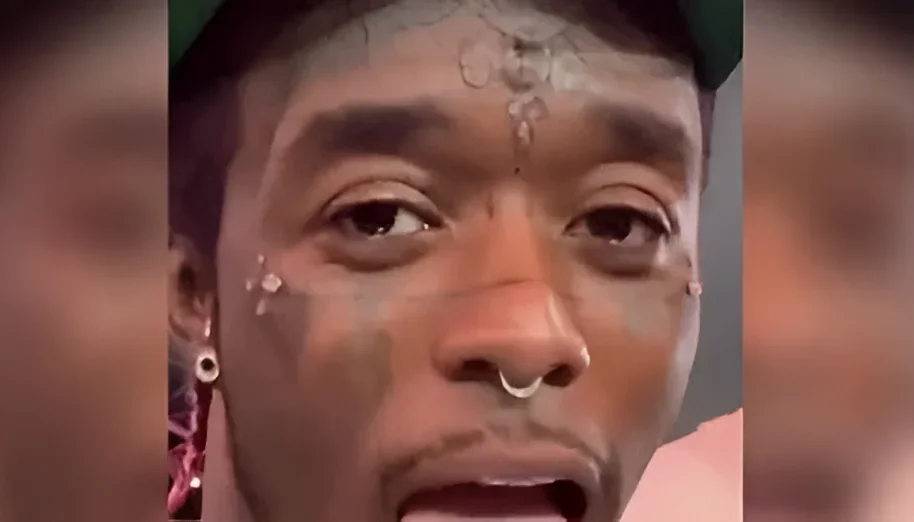
Lil Uzi Vert (Symere Woods) is not just one of the most vibrant representatives of the modern hip-hop scene, but also a true iconoclast in the world of body art. His tattoos are a complex, multi-layered visual language where occult symbols coexist with anime characters, and luxury brand logos with deeply personal, sometimes painful experiences. For Uzi, tattoos have long ceased to be mere decoration; they have become a kind of armor, a way of communicating with the world, and a total manifestation of his inner self, which is constantly transforming. Each new image on his body is a chapter in an endless novel about the search for identity, fame, and existential rebellion.