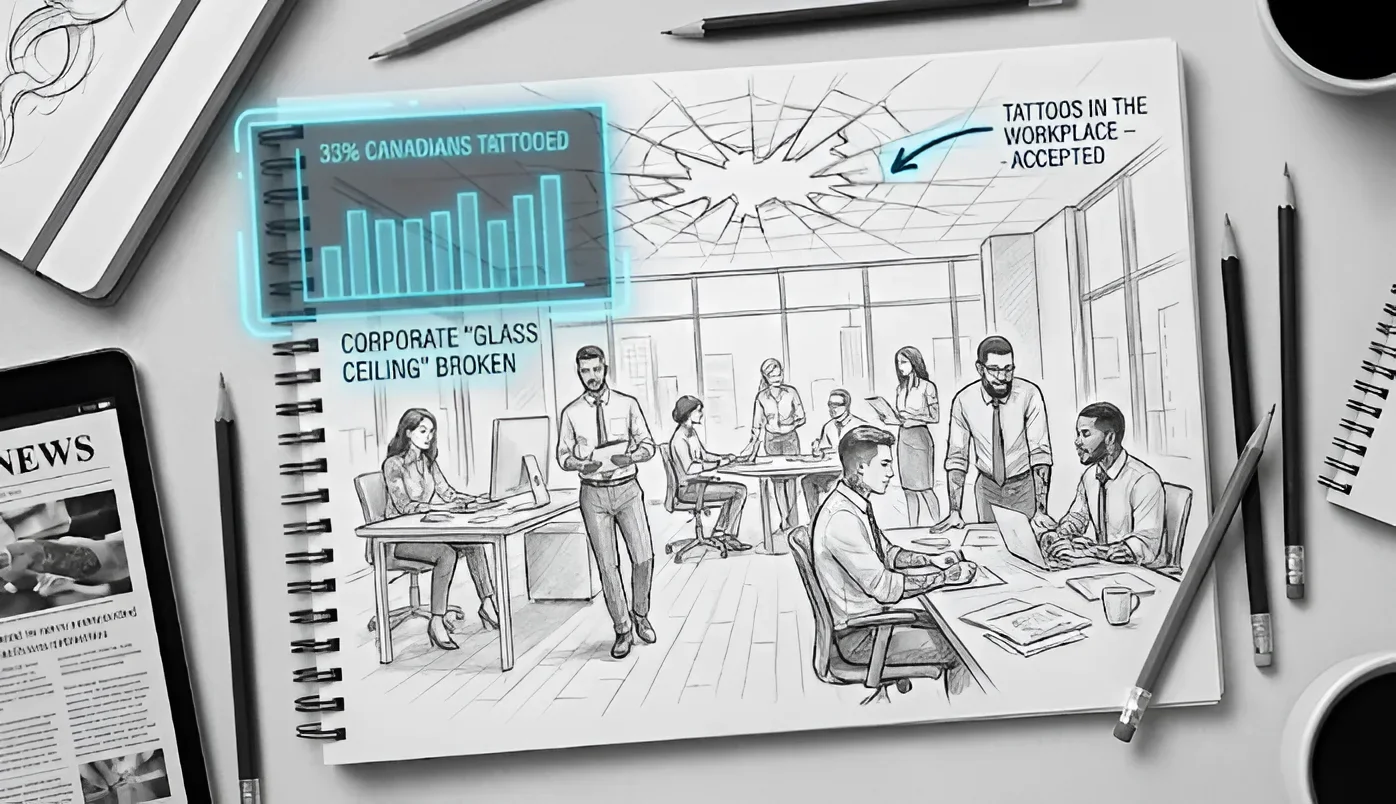
The era when tattoos were considered a sign of marginality or belonging to closed subcultures has definitively passed into the past, giving way to a new visual aesthetic in the business environment. Today, we are witnessing not just a tolerance for body art, but a full-scale cultural shift where tattoos are becoming an organic part of a professional image. If just ten to fifteen years ago, “sleeves” or designs on the hands could be an insurmountable obstacle when applying for a job at a bank or law firm, then in 2026, the corporate world demonstrates unprecedented openness. The modern office has transformed into a space where individuality is valued above conservative appearance standards.
Materials
Cultural Shift 2026: Why Tattoos Are No Longer Taboo

January 27, 2026, will go down in the history of the global tattoo industry as the date of the official recognition of a tectonic shift in public consciousness. The published analytical review titled “Are Tattoos Still Taboo?” has drawn a line under years of discussion, definitively cementing body art as High Art and a crucial tool for psychological self-help. What, just a quarter-century ago, would have drawn sideways glances at family dinners or job interviews has today transformed into a complex visual manifesto, highlighting the uniqueness of the human experience.
Meaning-Driven Realism in Tattoos: Why Personal Stories Are Becoming the Main Trend of 2026
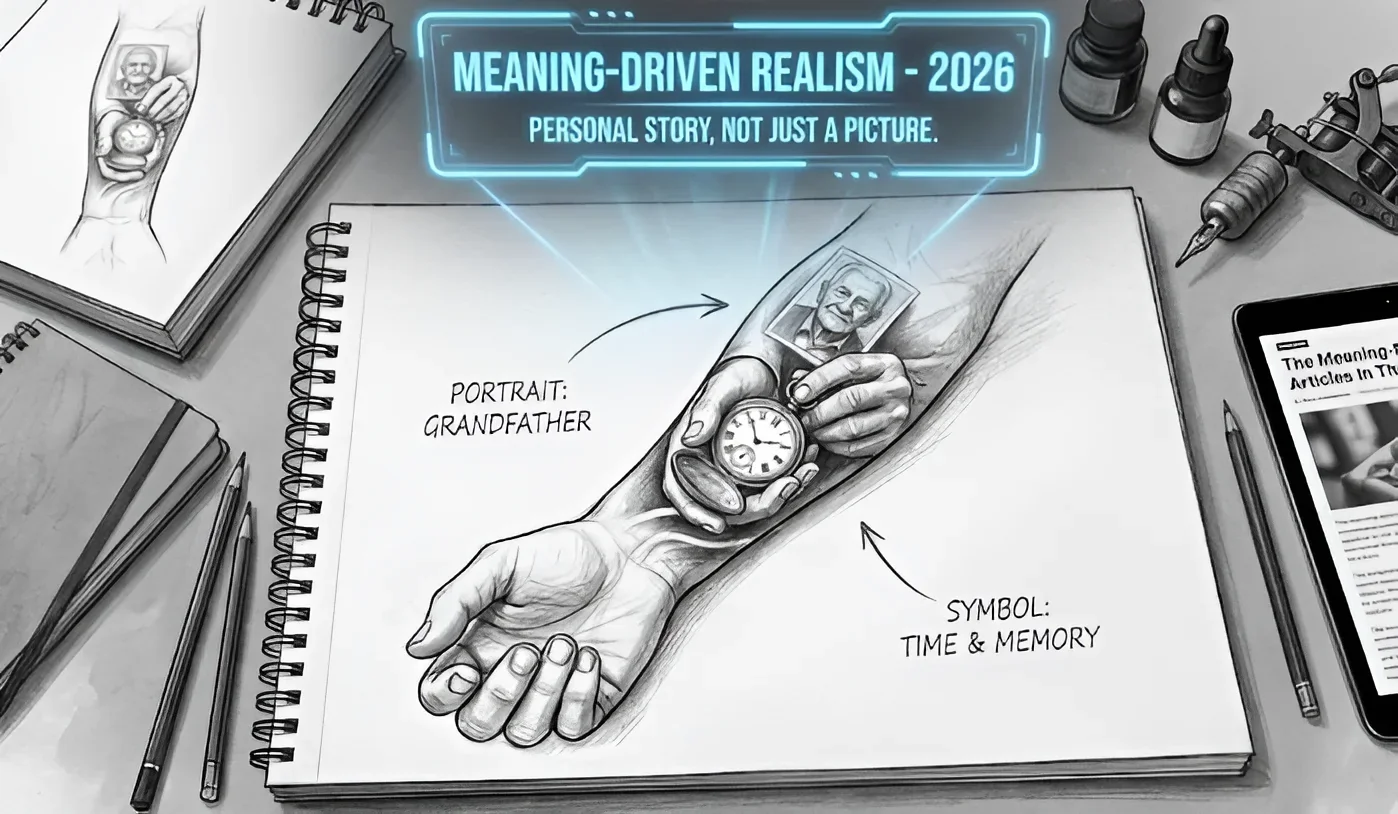
Modern tattoo culture is undergoing a massive transformation, moving from a purely aesthetic appreciation of body art to a deep philosophical and social statement. Today, we are witnessing the decline of the era of “just beautiful pictures” and the rapid rise of a concept that experts call “Meaning-Driven Realism.” This direction combines impeccable technical precision with a powerful emotional subtext, where every highlight and every shadow serves the purpose of telling the owner’s unique story.
Smart Tattoos: Biometric Technologies and the Future of Wearable Electronics
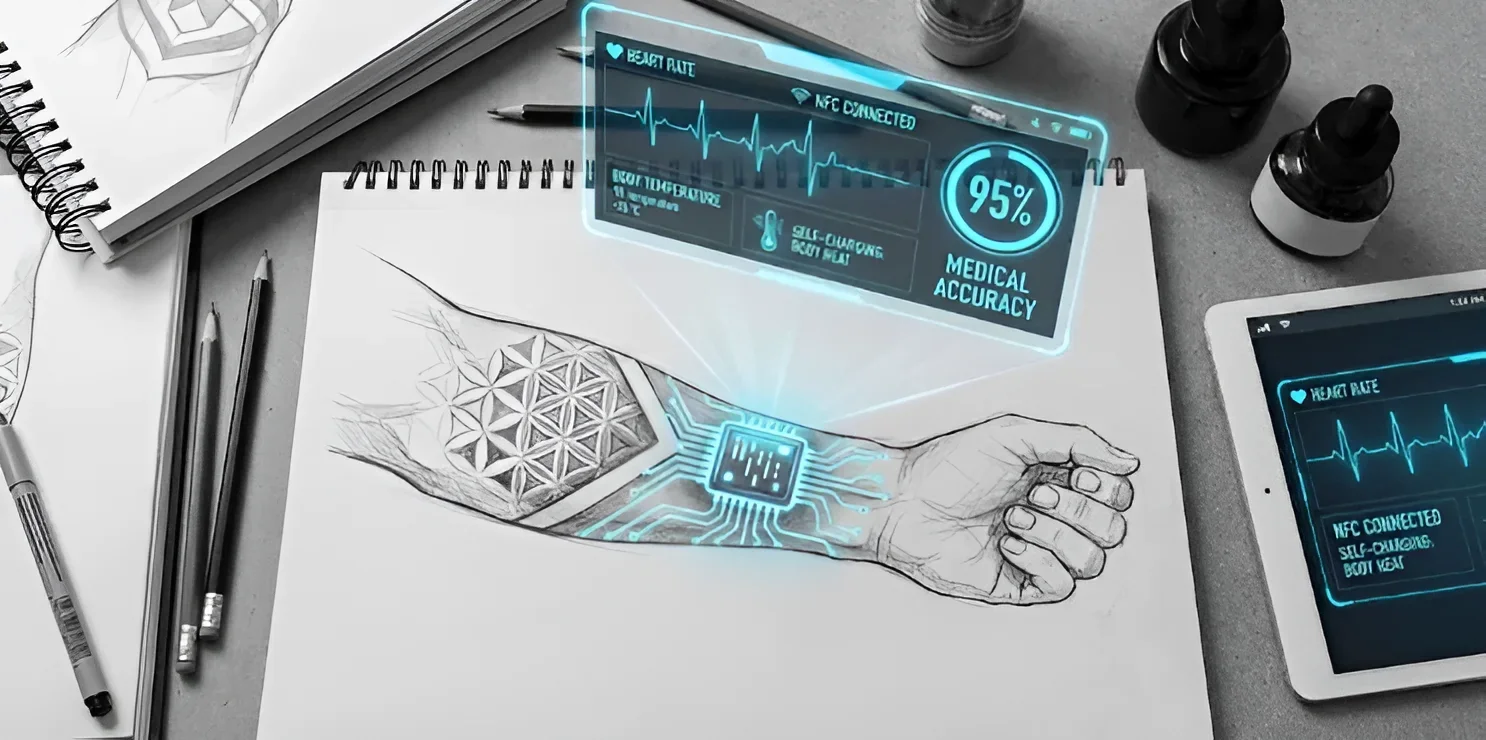
Modern tattoos are rapidly transforming from pure art into functional tools, blurring the lines between the human body and the digital world. If body art once served as a means of self-expression or a tribute to traditions, today we are witnessing the birth of a new era – the era of “smart” biometric tattoos capable of saving lives and replacing complex medical devices. These high-tech solutions turn the skin into an interactive interface that is always at hand, yet completely imperceptible in everyday life.
MRI Dangers for Tattooed Individuals: Risks of Burns and Diagnostic Errors
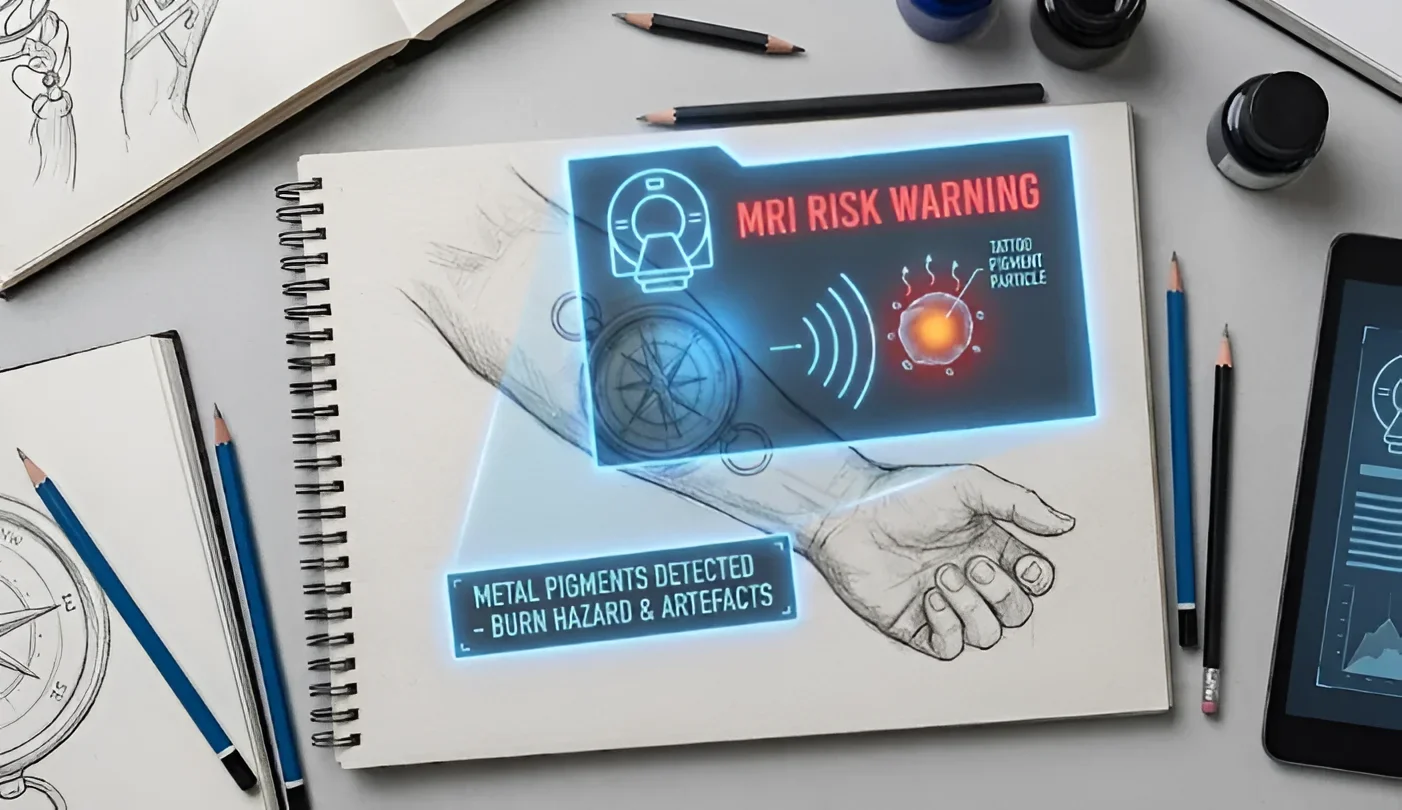
Modern tattoo culture is undergoing a period of deep integration into everyday life. However, the rapid rise in the popularity of body art is raising new questions for medical science. In late January 2026, the medical community was alarmed by a publication in the authoritative journal Anesthesiology News, where experts presented a detailed report on the risks of magnetic resonance imaging (MRI) for individuals with tattoos and permanent makeup. A problem previously considered hypothetical has now become a critical factor in preparing patients for diagnostic procedures.